How to Subscribe to FDA Drug Safety Alerts and Updates
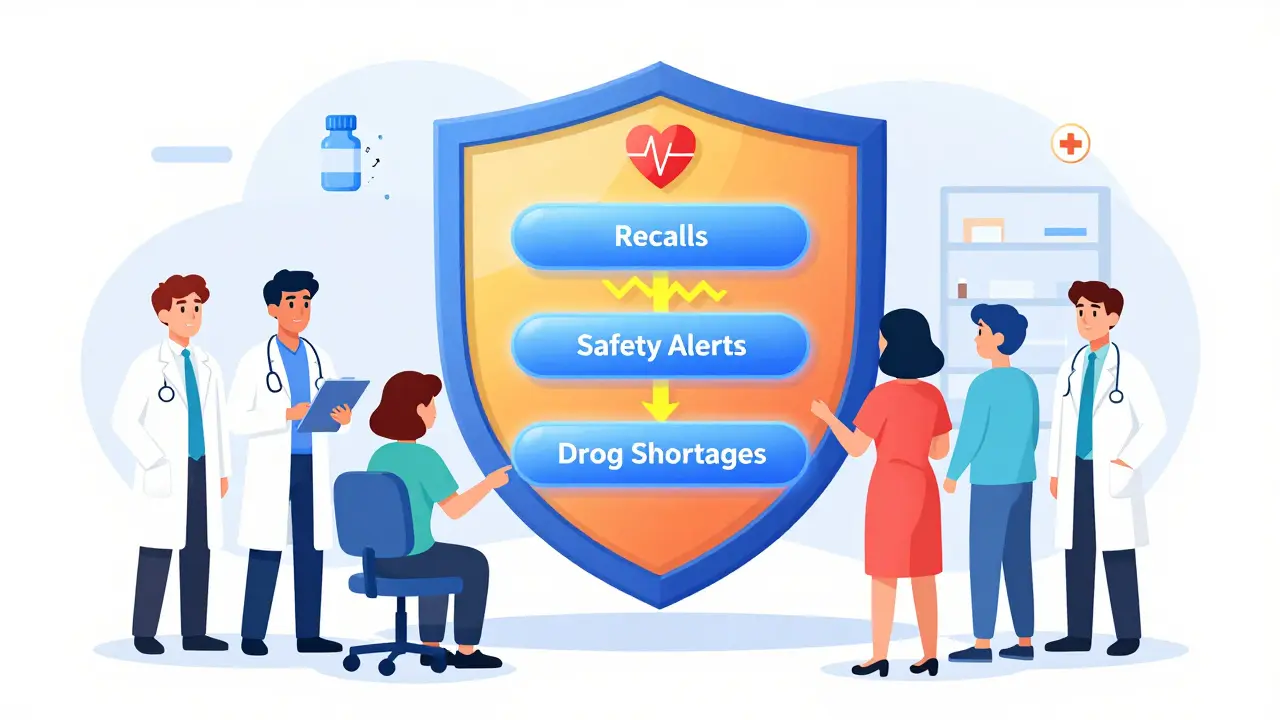
Learn how to subscribe to FDA drug safety alerts to stay informed about recalls, side effects, and drug shortages. Free, reliable, and life-saving-yet most people don’t use it.
Read MoreLearn how to subscribe to FDA drug safety alerts to stay informed about recalls, side effects, and drug shortages. Free, reliable, and life-saving-yet most people don’t use it.
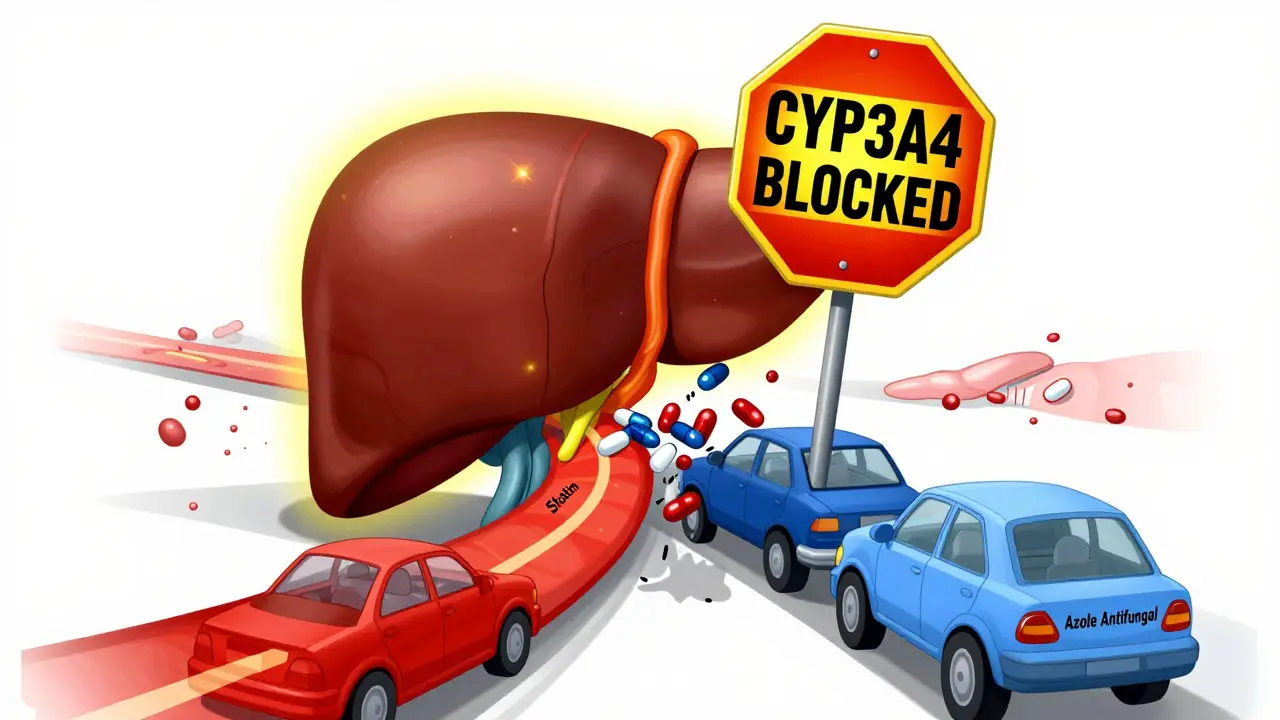
Read MoreSystemic antifungals like azoles can dangerously increase statin levels, raising the risk of muscle damage and kidney failure. Learn which combinations to avoid and what safer alternatives exist.
Read MoreMedication errors are more frequent in hospitals but more dangerous in retail pharmacies due to fewer safety checks. Learn how error rates, types, and consequences differ - and what you can do to protect yourself.
Read MoreScabies and lice are common, contagious skin infestations that require precise treatment. Learn how to identify them, which treatments actually work, and how to prevent reinfestation.
Read MoreHigh-dose statins after stroke can cut recurrence risk by 16%, but raise bleeding risk. Learn who benefits, who should avoid them, and what to do if side effects hit.
Read MoreLearn how to set up and safely use an insulin pump for continuous subcutaneous insulin infusion. Covers basal rates, carb ratios, bolus types, site care, and emergency protocols for type 1 and insulin-requiring type 2 diabetes.
Read MoreMelasma and sun damage look alike but need totally different treatments. Learn how to tell them apart, what topical agents actually work, and why sunscreen alone isn't enough to keep dark spots away.
Read MoreOn warfarin, vitamin K foods aren't the enemy - inconsistent intake is. Learn how to eat the same amount every day to keep your INR stable, avoid dangerous swings, and stay out of the hospital.
Read MoreAnal fissures cause sharp pain during bowel movements and are often linked to constipation. Most heal with diet, hydration, and topical treatments like diltiazem or nifedipine. Surgery is only needed if other methods fail. Learn what works, what doesn't, and how to break the pain cycle.
Read MoreCGRP inhibitors are the first migraine-specific drugs designed to block the neuropeptide behind migraine pain. They cut attack frequency by half for many patients, with fewer side effects than older medications. Now a first-line option, they’re changing how migraine is treated.
Read More