
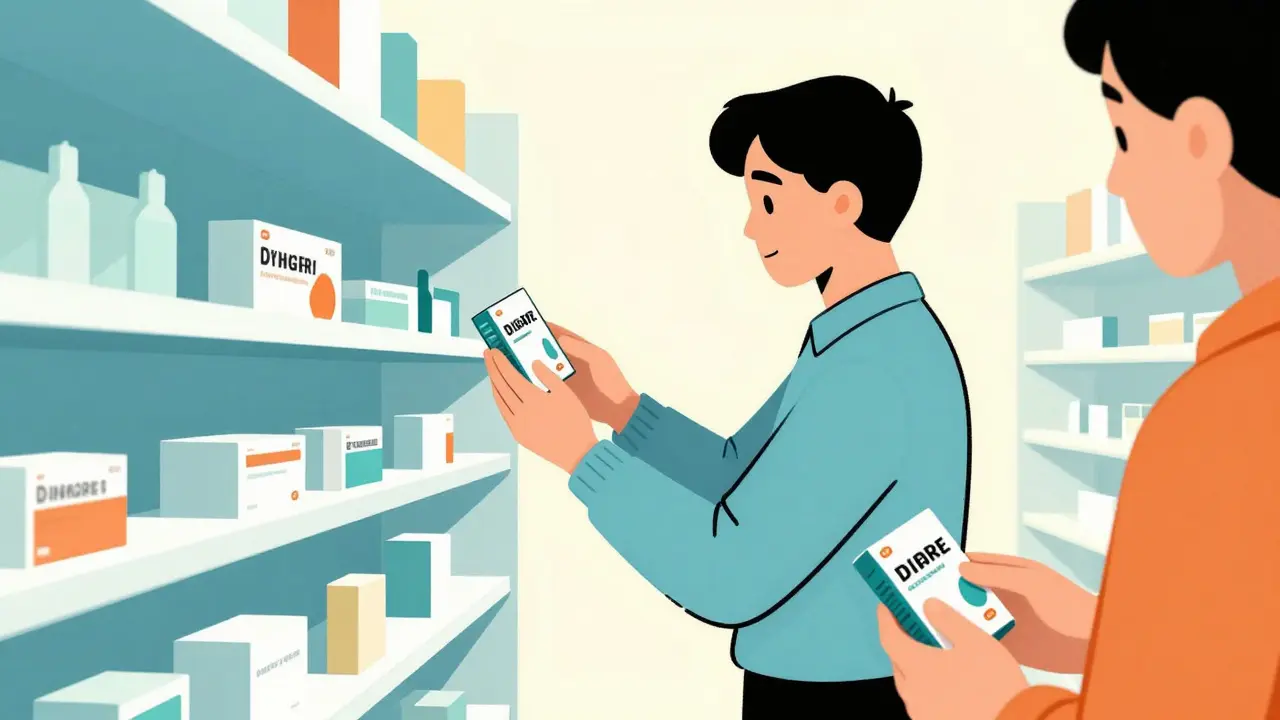
You walk into a pharmacy and pick a generic medication instead of the brand name. Was that your independent decision, or did you notice your friend taking the same box last week? We often think we make choices in a vacuum, but our brains are wired to scan the room before scanning the shelf. This hidden force is Social Influence, which refers to the process through which individuals modify their opinions, attitudes, beliefs, or behaviors due to interpersonal interactions. It is everywhere, from the clothes you wear to the habits you adopt.
In today's interconnected world, understanding how peer attitudes shape these generic choices isn't just academic trivia; it is essential for understanding yourself. Recent research suggests that what spreads through our networks isn't just information-it is entire sets of beliefs and tastes. By looking at the science behind these dynamics, we can see exactly why saying "no" sometimes feels harder than agreeing with the crowd.
The Psychology of Following the Crowd
When you find yourself changing your mind after hearing a group discussion, you are experiencing conformity. This isn't a new phenomenon. Psychologists have been studying this since the early 20th century. One classic experiment involved a series of tasks where participants judged lines. Even when the answer was obvious, roughly 76% of people agreed with an incorrect group consensus at least once.
Why does this happen? It usually comes down to two drivers. First, we want to be right (informational influence). If everyone says something is good, we assume they know something we don't. Second, we want to belong (normative influence). There is a biological reward in fitting in. Studies indicate that susceptibility to this operates heavily through social needs, specifically the desire to be liked and the need to be accepted by a peer group. These needs account for nearly 65% of the variance seen in conformity behavior.
- Normative Pressure: Changing behavior to avoid rejection or gain approval.
- Social Learning: Observing outcomes for others to inform your own safety.
- Identity Signaling: Using choices to show which "team" you belong to.
This mechanism explains why generic choices become popular quickly. Once a critical mass adopts a choice-like switching to a specific diet or tech gadget-the perceived cost of staying outside that group spikes. You aren't just choosing a product; you are signaling identity.
What Your Brain Does During Peer Pressure
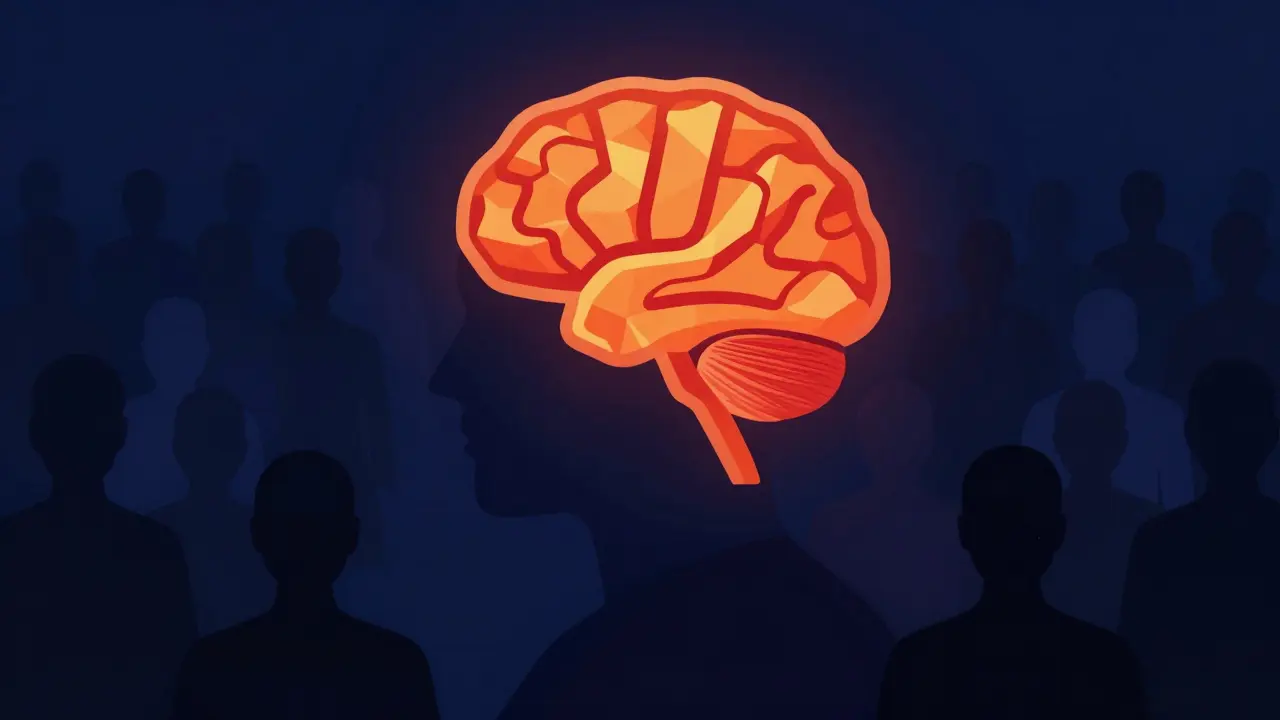
If you think peer influence is just "thinking," modern neuroimaging proves otherwise. It changes how your brain processes value. Research using fMRI scans has revealed that when people conform to peer opinions, specific areas of the brain light up differently than when they make independent judgments.
The Ventromedial Prefrontal Cortex and Ventral Striatum play huge roles here. These regions handle subjective value and rewards. In experiments, there was 32.7% greater activation in these regions when participants chose to agree with a peer group compared to when they stood alone. Essentially, agreeing with your friends feels physically rewarding to your brain's pleasure centers.
However, going against the grain hurts. Resisting a unanimous group opinion activates the amygdala, the part of your brain responsible for fear and stress. Activation levels in these conflict zones were 28.6% higher when resisting a majority opinion versus a simple majority. This biological reality explains why standing out is so exhausting. Your body is literally fighting against its own safety signals to maintain independence.
It Is Not Just About Who Your Friends Are
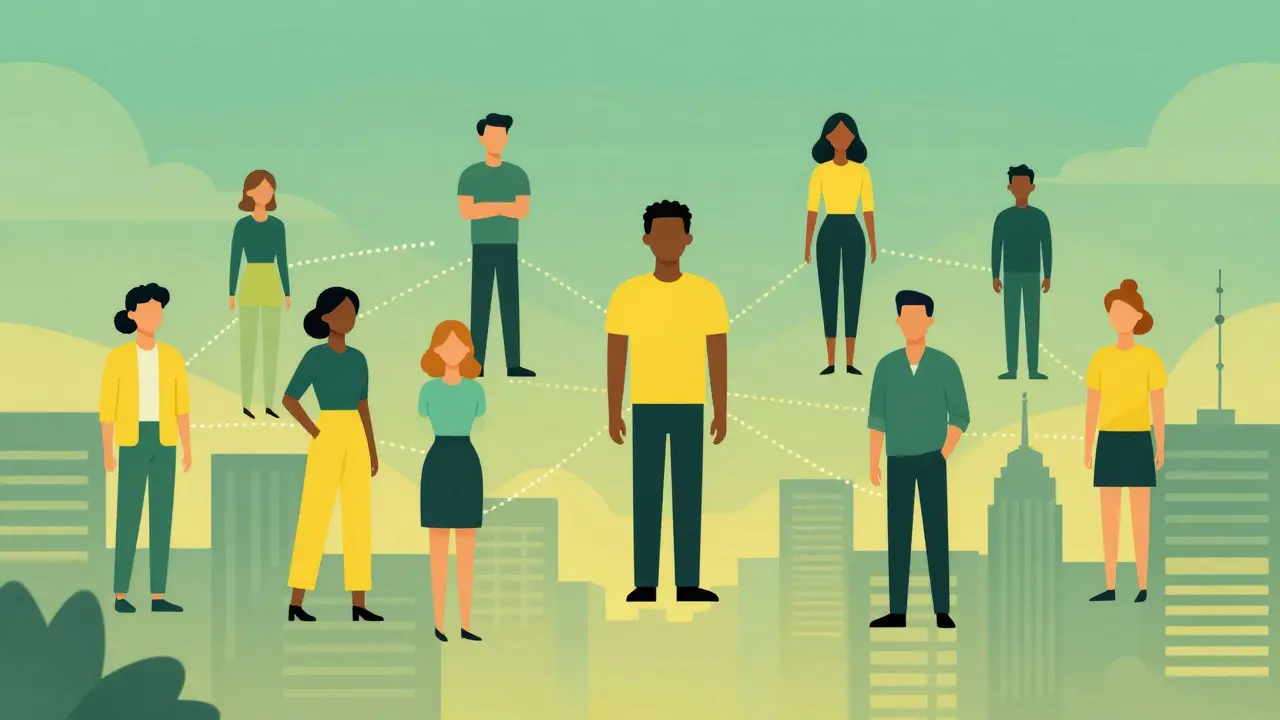
We often assume that our closest friends dictate our choices, but network analysis shows a more complex picture. Being popular is different from being influential. In many cases, influence flows through status hierarchies. For instance, prosocial responses increased by nearly 38% when coming from higher-status peers compared to equal-status peers.
Culture also plays a massive role in how much weight you give to peers. In individualistic cultures like the United States, conformity rates in digital spaces sit around 8.7%. In collectivist cultures, such as Japan, that number jumps to 23.4%. This means the "generic choice" you see in Tokyo might be driven by entirely different social calculations than the one driving decisions in Sydney or New York. While the biological wiring is the same, the cultural software differs significantly.
Furthermore, researchers have identified something called the "Friendship Paradox." People systematically overestimate what their peers are doing by 15-20%. You might think everyone drinks coffee all day, simply because the people you hear about drinking coffee are louder or more visible. This perception gap often drives trends far more than actual behavior does.
Using This Knowledge for Good
Understanding these mechanics allows us to design better interventions. Health organizations now use these principles to curb bad habits. A notable program targeted adolescent vaping by identifying "opinion leaders" within school networks. Instead of lecturing students, they trained these peers to model non-use. The result was an 18.7% reduction in usage rates over a short period.
Success depends on network density. Interventions fail in loose groups but succeed when targeting structurally equivalent peers in dense networks (density above 0.6). This is crucial for policy makers. If you try to change a behavior without addressing the peer feedback loop, you will likely spend budget on campaigns that wash away with the tide.
| Metric | Typical Value/Range | Impact |
|---|---|---|
| Ventral Striatum Activation | +32.7% (Conformity) | Reward reinforcement |
| Amygdala Activation | +28.6% (Non-conformity) | Stress response |
| Peer Susceptibility | 0.15 to 0.85 | Varies by population |
| Network Density | 0.35 to 0.75 | Adolescent peer groups |
The cost of implementing these programs is real. Effective training involves several weeks of sessions, costing roughly $187 per participant. However, when the target audience is large, the ripple effect of behavioral change makes the investment worthwhile. The goal isn't manipulation; it is alignment with positive health outcomes.
Ethical Boundaries and Future Risks
As technology evolves, so does the capacity to track and predict influence. AI models can now predict individual susceptibility with over 80% accuracy based on social media patterns. While useful for health campaigns, this opens doors for misuse. Over a hundred platforms were flagged in recent years for selling "influence-as-a-service" tools to advertisers.
We face a tension between public good and private exploitation. Most social psychologists argue for stricter regulation. Without boundaries, algorithms could artificially inflate conformity pressures to sell products or shift political views. The challenge lies in distinguishing between natural social learning and engineered dependency.
We need systems that protect the authentic nature of connection. That means ensuring peer support remains organic rather than algorithmically induced. As we move forward into 2026, the conversation is shifting toward "digital hygiene" regarding how we expose ourselves to influence attempts online.
Frequently Asked Questions
Does peer pressure only affect teenagers?
No, while adolescents are highly susceptible due to developmental stages, adults remain responsive to social cues, especially regarding norms of professional conduct and lifestyle choices.
Can social influence be positive?
Yes, adaptive conformity can improve academic achievement and health behaviors when the peer group endorses positive actions like exercise or study habits.
How do I resist negative peer influence?
Awareness is key. Recognizing that your brain seeks social reward helps you pause before deciding. Diversifying your network to include diverse viewpoints also reduces echo chamber effects.
What is the friendship paradox?
It describes how individuals tend to have fewer connections than their friends on average, leading people to overestimate how popular or extreme their peers' behaviors actually are.
Do online friendships influence me the same way?
Research suggests yes, though the mechanisms vary. Online influence relies heavily on visibility and perceived popularity rather than physical proximity, affecting choices from purchases to beliefs.




Comments (9)