
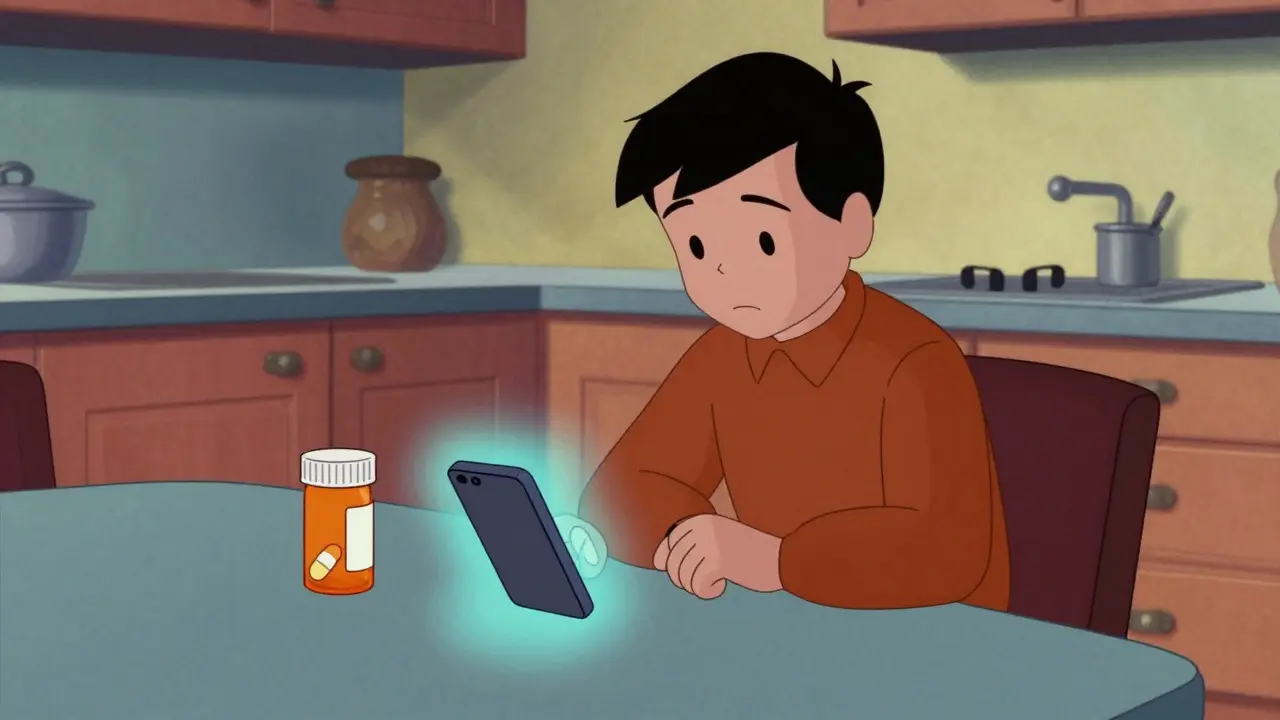
Missing a dose of medication happens to almost everyone at some point. But for people managing chronic conditions like diabetes or heart disease, forgetting a pill isn't just an inconvenience. It can lead to hospital visits, worsening symptoms, or even life-threatening complications. The World Health Organization estimates that about 50% of patients with chronic conditions do not take their medications as prescribed. That is half of the people who need help the most. This is where technology steps in to bridge the gap between a prescription and actual health outcomes.
Digital tools have transformed how we manage our health routines. Smartphone apps and smart timers are no longer just gadgets; they are critical support systems for millions. These tools use notifications, tracking, and education to keep you on schedule. They turn a complex medical regimen into a manageable daily habit. In this guide, we break down how these tools work, which ones are proven to help, and how you can start using them today.
Understanding Medication Adherence Tools
When we talk about Medication Adherence Apps are digital health interventions designed to improve patients' compliance with prescribed medication regimens through smartphone-based reminders, tracking systems, educational content, and motivational features, we are referring to software that lives on your phone. These applications were born out of necessity in the early 2010s as smartphones became ubiquitous. They address a massive global problem by leveraging technology most people already carry in their pockets.
Physical Medication Timers are hardware devices that track medication usage through opening times or visual indicators, often requiring separate hardware purchases offer a different approach. These include electronic medicine boxes that register when a pill is taken or simple alarms attached to pill bottles. While effective, they often cost more and require charging or battery changes. Apps, on the other hand, usually require no extra hardware beyond the smartphone you already own.
The core value of these tools lies in accessibility. With smartphone penetration reaching 97% among adults in the US as of 2023, these solutions are available to nearly everyone with a mobile device. They provide a low-cost alternative to expensive monitoring systems. Instead of paying for a dedicated medical device, you download an application. This democratization of health tech means better adherence is within reach for a wider population.
Do These Tools Actually Work?
You might wonder if an app notification is enough to change behavior. The data says yes. Systematic reviews from 2023 to 2025 have consistently shown positive results. A major analysis looked at 14 randomized controlled trials (RCTs). All 14 studies reported that app interventions improved medication adherence. Ten of those studies demonstrated statistically significant improvement.
Performance metrics back this up. On the 8-item Morisky Medication Adherence Scale (MMAS-8), which measures how well patients follow their regimen, apps showed a mean difference improvement of 0.57. On the shorter MMAS-4 scale, the improvement was 0.55. These numbers represent a meaningful shift in behavior. It is not just about feeling like you are doing better; it is about measurable changes in compliance.
Dr. Sarah Park, Director of Digital Health at Johns Hopkins, noted in 2024 that the meta-analytic evidence is now incontrovertible. She stated that mobile apps produce statistically significant improvements across chronic conditions. The effect sizes often exceed most traditional interventions. For example, in diabetes management studies, apps showed a higher effect size compared to SMS-based reminder systems. This suggests that the interactive nature of an app is more powerful than a simple text message.
However, effectiveness isn't universal. Studies note a 15-20% exclusion rate in medically underserved populations due to technology access barriers. If you do not have a smartphone or the digital literacy to use one, these tools won't help. Additionally, adherence can drop by 35-40% after three months without additional support. This means the initial excitement of a new app might fade, requiring long-term strategies to keep you engaged.
Apps Versus Physical Timers
Choosing between a digital app and a physical timer depends on your needs and budget. Electronic medicine boxes like MedMinder or Hero systems register opening times accurately. They are excellent for caregivers monitoring a patient who might forget or hide medication. However, they come with a higher price tag. Implementation costs for electronic monitoring systems average $30 to $50 per month.
In contrast, medication apps typically cost between $0 and $5 per month. Many offer robust free versions. A 2025 meta-analysis documented that apps demonstrate superior accessibility and cost-effectiveness. Mobile apps also outperform traditional interventions like pill organizers by 22.7% in adherence rates according to a 2024 review. The unique differentiator is multimodal engagement. Apps combine reminders with education and tracking in one place.
| Feature | Medication Apps | Electronic Medicine Boxes | Traditional Pill Organizers |
|---|---|---|---|
| Cost | $0 - $5/month | $30 - $50/month | $10 - $30 one-time |
| Hardware Required | Smartphone only | Specific device needed | None |
| Adherence Improvement | 7-40% over standard care | High accuracy tracking | Low (passive) |
| Best For | Self-management, complex regimens | Caregiver monitoring | Simple daily routines |
| Setup Time | 10-25 minutes | 1-2 hours | 5 minutes |
Apps excel in managing complex regimens. For example, HIV treatment often requires 95% adherence to be effective. An app can manage multiple doses throughout the day with specific alerts. Physical timers are better for patients with severe cognitive impairment who might not interact with a phone interface. The choice often comes down to who is managing the medication and their comfort with technology.
Key Features to Look For
Not all apps are created equal. A 2025 meta-analysis in JMIR reviewed the market and found specific features that correlate with success. You should look for customizable medication reminders. 92.3% of effective apps incorporate this feature. You want the ability to set specific times, intervals, and even snooze options if you are running late.
Digital medication logs are another critical component. 85.7% of apps include this. This feature allows you to check off doses manually or automatically. It creates a history of your adherence that you can show your doctor. Progress tracking dashboards appear in 87.1% of apps. These visual graphs help you see streaks or missed doses, providing motivation to keep going.
Educational content libraries are present in 78.6% of apps. These explain what your medication does and potential side effects. Understanding your treatment improves your willingness to take it. Some advanced apps offer medication interaction checkers. This is vital if you are taking multiple prescriptions. It warns you if two drugs might not play well together.
System requirements are generally low. Most apps work on iOS 12+ or Android 8.0+. You do not need a flagship phone. However, integration capabilities vary. Leading solutions like Medisafe is a leading medication adherence app offering EHR connectivity through HL7/FHIR standards and pharmacy system integration for refill management offer EHR connectivity. This means your doctor or pharmacist might see your data. This integration helps with refill management, ensuring you never run out of pills.
Top Apps in 2026
The market has grown to a $1.28 billion industry in 2024. There are 217 active medication adherence apps on major app stores. A few stand out due to market share and user feedback. Medisafe is the market leader commanding 28.3% market share with features like refill management and interaction checking holds the top spot. It reported 4 million active users in 2023. Users praise its customizable reminder systems and medication interaction checkers.
MyTherapy is a popular alternative holding 19.7% market share known for its comprehensive health tracking features is another strong contender. It focuses heavily on tracking symptoms alongside medication. Round Health is a specialized app holding 14.2% market share designed specifically for HIV and complex chronic conditions serves a specific niche. It is designed for patients on complex regimens who need high precision.
User feedback is generally positive. In a 2023 study, 91.7% satisfaction was reported across studies where acceptability was measured. On community forums, users report real health improvements. One user shared that after six months with an app, their HbA1c dropped from 8.2 to 6.9. This indicates that the app helped them manage their diabetes effectively.
However, there are downsides. Notification fatigue is reported by 32.4% of dissatisfied users. If your phone buzzes too much, you might turn the alerts off. Complex onboarding processes frustrate 27.8% of negative reviewers. You want an app that gets you set up quickly. Documentation quality averages 3.8 out of 5, with Medisafe scoring highest at 4.5 out of 5 for comprehensiveness.
Security and Privacy Concerns
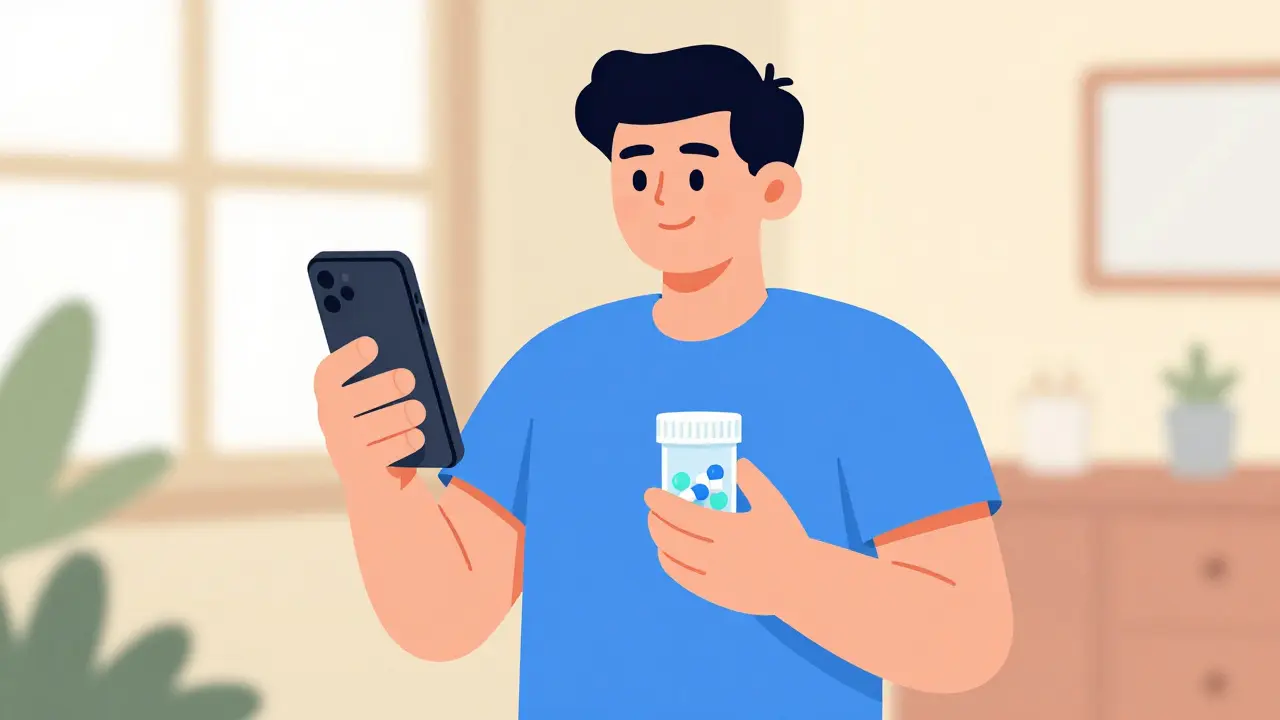
Health data is sensitive. You need to know how your information is handled. Security protocols typically include HIPAA compliance, end-to-end encryption, and biometric authentication. However, only 64.3% of reviewed apps in the 2025 study documented specific security measures. This is a gap you should investigate before downloading.
FDA classification matters for high-risk apps. Apps managing insulin dosing are classified as medical devices. However, 89.4% of adherence apps fall under general wellness exemptions per FDA guidance updated in November 2023. This means they are not held to the same strict standards as prescription devices. You should check the app's privacy policy to see if they sell data to third parties.
Integration with EHR systems uses standards like HL7/FHIR. This ensures data moves securely between systems. Enterprise adoption is accelerating, with 67 of the Fortune 100 companies offering these apps as part of employee wellness programs. This corporate backing often implies a higher standard of security and support.
Getting Started and Troubleshooting
Practical implementation requires minimal technical skills. Most users become proficient within 15-20 minutes. Getting started involves downloading the app, entering medication schedules, and customizing reminders. This process takes 10-25 minutes depending on regimen complexity. The learning curve is steeper for older adults. People aged 65+ require an average of 42 minutes for initial setup versus 18 minutes for younger users.
Common challenges include notification management. This is often solved by using iOS or Android focus modes in 73.1% of successful implementations. You can set quiet hours so you aren't woken up at night. Data synchronization issues are resolved through cloud backup in 86.5% of cases. Ensure you enable cloud sync so you don't lose data if you change phones.
Required skills include basic smartphone navigation. Literacy at a 6th-grade reading level is sufficient for most interfaces. Support quality varies. Premium apps offer 24/7 chat support. Free versions provide only email support with 48-72 hour response times. If you have urgent questions, a paid plan might be worth the cost.
Sustainability is key. Adherence effects can fade after six months. To combat this, engage with the social support features if available. Some apps allow you to share progress with family. This accountability can keep you motivated when the novelty wears off. Regularly review your medication list to ensure it matches your current prescriptions. Outdated information leads to missed doses or wrong alerts.
Are medication apps free to use?
Many apps offer free versions with basic reminder features. Premium versions usually cost between $0 and $5 per month and unlock advanced features like pharmacy integration or detailed analytics.
Do these apps work for older adults?
Yes, but they may require more setup time. Studies show adults over 65 take about 42 minutes to set up an app compared to 18 minutes for younger users. Look for apps with larger text and simple interfaces.
Can my doctor see my app data?
Some apps like Medisafe offer EHR connectivity through HL7/FHIR standards. This allows data sharing with healthcare providers, but you must opt-in to this feature within the app settings.
What if I lose my phone?
Most apps use cloud backup to save your data. If you enable cloud sync, you can restore your medication schedule on a new device by logging into your account.
Are medication timers better than apps?
It depends on your needs. Apps are cheaper and more versatile for self-management. Physical timers are better for caregivers monitoring patients with cognitive impairment who cannot use smartphones reliably.
Choosing the right tool is a personal decision. Consider your budget, your comfort with technology, and your specific medical needs. Whether you pick a sophisticated app or a simple timer, the goal remains the same: taking your medication as prescribed. This small habit change can significantly improve your long-term health and reduce the risk of complications. Start small, set up your reminders, and let technology help you stay on track.




Comments (14)