
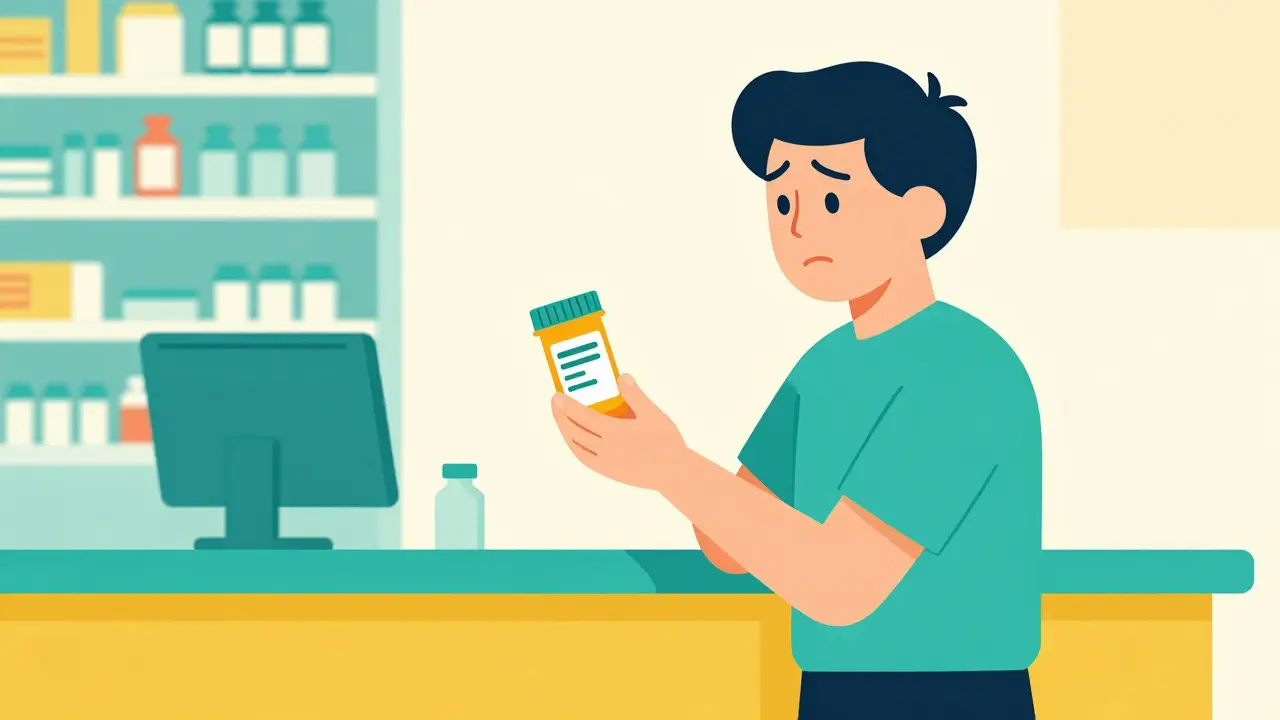
Many people carry around medical records labeling them as allergic to common medications, often based on a childhood stomach upset or a vague rash years ago. In reality, true immune system reactions to drugs are far less common than most assume. Mislabeling affects approximately 10% of the population, yet understanding the difference between a simple side effect and a dangerous allergy can save your life. Knowing exactly what to look for changes everything when you visit a clinic.
Imagine going to the pharmacy for a standard antibiotic prescription, only to have the pharmacist stop you because a decade-old note says you have an allergy to penicillin. This scenario plays out constantly. The National Institutes of Health (NIH) highlights that distinguishing these reactions is critical for patient safety and public health costs. If you cannot take first-line antibiotics due to an unconfirmed label, doctors might prescribe broader-spectrum alternatives that cost more and cause more complications. Getting the facts straight starts with understanding how your body signals trouble.
The Difference Between Side Effects and True Allergies
A lot of confusion happens because the term "allergy" gets tossed around loosely. A headache, nausea, or dizziness after taking medication is usually just a side effect. These happen because of how the drug works chemically in your body, not because your immune system is attacking the substance. A Drug Allergy involves a specific error where the immune system identifies the medicine as a threat, similar to pollen or peanuts.
According to research published in the PMC database by the NIH, while adverse drug reactions are frequent, actual allergic responses are uncommon. The distinction matters immensely. If you experience vomiting or a tummy ache after taking painkillers, it is rarely an allergy. However, if your throat tightens or you break out in welts within minutes, that signals an immune-mediated response. Recognizing this split prevents unnecessary restrictions on your future treatment options.
Symptoms That Signal a Reaction Is Happening
When a genuine allergy kicks in, the symptoms vary based on speed and severity. Timing is the biggest clue you can give your doctor. Most serious, life-threatening reactions occur quickly, often within one hour of ingesting the medicine. Less severe issues might take days or even weeks to appear.
Common physical warning signs include:
- Hives: Raised, itchy bumps on the skin that can move around.
- Urticaria: Another term for hives; widespread itching and redness.
- Angioedema: Deep swelling, usually affecting the lips, eyes, or hands.
- Difficulty Breathing: Wheezing, coughing, or feeling like your airway is closing.
- Systemic Issues: Dropping blood pressure leading to fainting (syncope).
Sometimes the skin tells the whole story. A fine rash appearing days after starting a new pill is often a "delayed exanthem." While uncomfortable, this type of rash typically resolves once you stop the medication. But other rashes are much worse. The Mayo Clinic notes that certain serious conditions present with specific patterns, such as target lesions or blisters, which require urgent attention beyond stopping the pill.
Severe Reactions Require Immediate Action
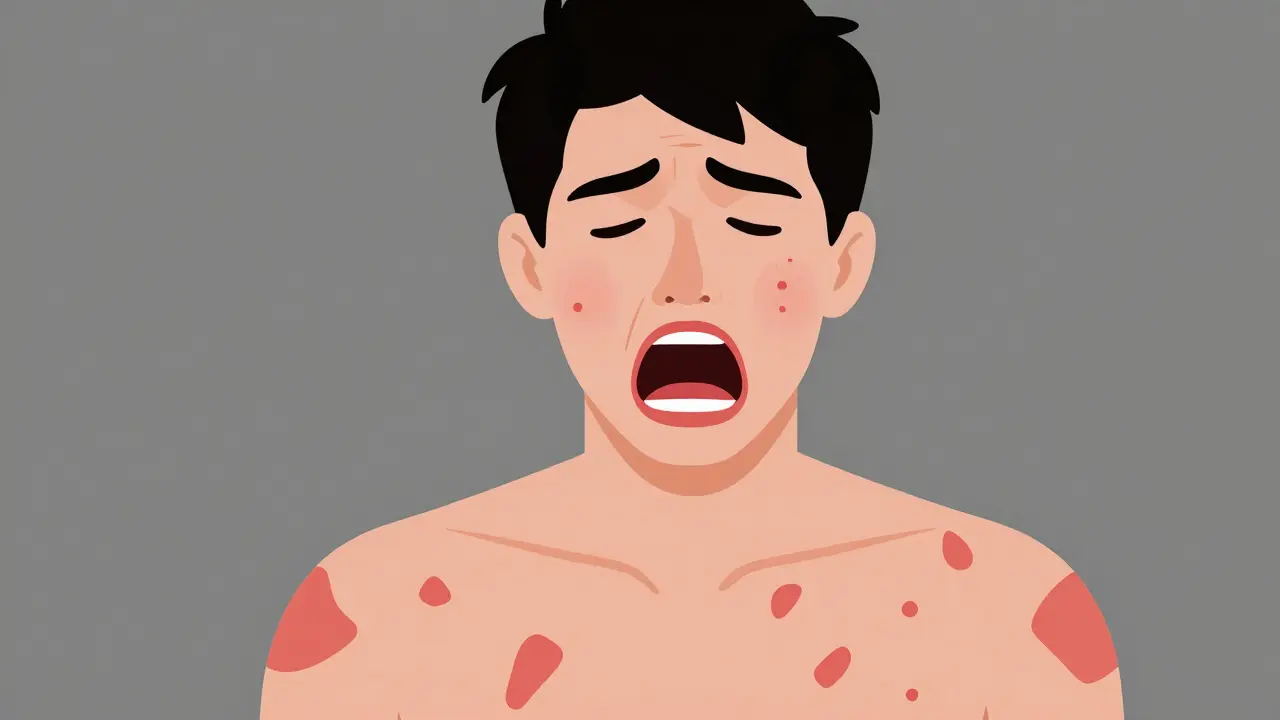
Not every rash needs an ambulance ride, but some do. You must distinguish between a nuisance and an emergency. Anaphylaxis is a rapid, multi-system failure where the body goes into shock. It often starts with skin symptoms like hives but quickly moves to involve the lungs or heart.
If you or someone else experiences two or more of the following simultaneously, treat it as an emergency:
- Breathing difficulties (wheezing, choking sensation).
- Swelling of the tongue or face.
- Digestive distress like violent vomiting or abdominal cramps.
- Circulatory collapse resulting in pale skin or confusion.
In these cases, call emergency services immediately. In Australia, dial 000. Wait for help; do not try to drive yourself. The American Academy of Allergy, Asthma & Immunology (AAAAI) emphasizes that anaphylaxis can affect multiple organs at once, making quick intervention the difference between survival and severe harm.
Delayed and Complex Skin Conditions
Some dangerous reactions do not show up immediately. There are complex syndromes where the reaction develops weeks later. Sterves-Johnson Syndrome (SJS) and Toxic Epidermal Necrolysis (TEN) are rare but critical conditions. These involve painful blisters and peeling of the skin, along with fever and mouth sores.
Another condition to watch for is DRESS Syndrome (Drug Rash with Eosinophilia and Systemic Symptoms). As the name implies, this involves high white blood cell counts and inflammation in internal organs like the liver, occurring 1 to 3 weeks after exposure. Unlike a mild rash, these conditions often require hospitalization to manage organ stress. Identifying the timeline-whether symptoms appeared in an hour or three weeks-helps specialists pinpoint the exact mechanism.
How Doctors Diagnose a True Allergy
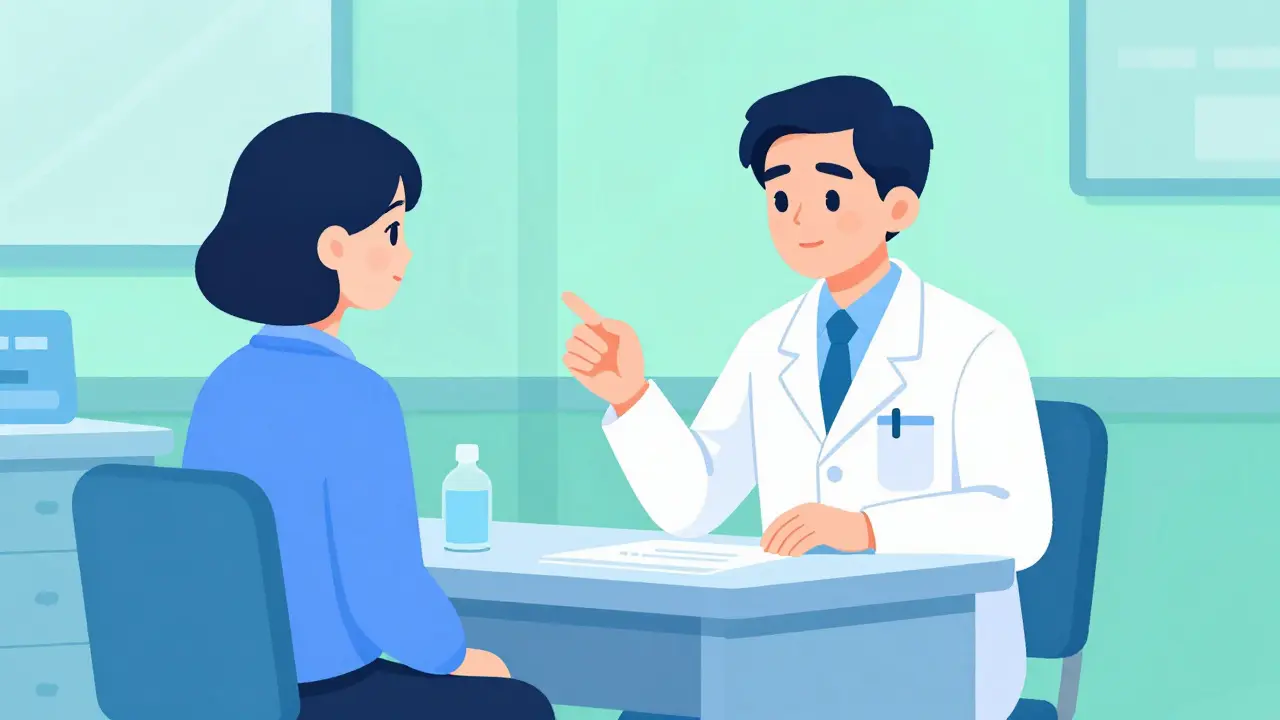
Diagnosis relies heavily on your ability to describe the event clearly. There are no perfect blood tests for all drugs, though specific protocols exist for common culprits. According to UCLA Health, the most important tool is a detailed history discussion. Did you develop hives? Did it start after 10 minutes or 10 days?
Mayo Clinic explains that for Penicillin Allergy, a specific series of tests can provide answers. Since penicillin allergy is the most commonly reported drug allergy, medical science has developed robust methods to check it.
- Skin Prick Test: A small amount of allergen is placed on the skin. A raised bump indicates sensitivity.
- Oral Challenge: If skin tests are negative, patients drink a tiny dose of the liquid medication under supervision.
This testing is vital because over 90% of patients labeled with a penicillin allergy can tolerate the drug safely when tested properly. This de-labeling allows access to safer, cheaper, and more effective antibiotics. However, this testing must happen under the supervision of a specialist, as inducing a reaction intentionally carries risks.
When Should You See a Specialist?
You should schedule a consultation with an allergist if you have ever had a reaction that worried you. This is especially true if you are planning surgery or long-term medication courses. The Allergy & Asthma Network advises that seeing an immunologist helps create a safety plan for the future. They can determine if you truly need to avoid certain classes of drugs forever or if you were simply misdiagnosed during a previous illness.
Bringing photos of any past rashes helps immensely. If a reaction happened years ago, visual evidence bridges the gap in memory. Accurate assessment reduces morbidity and stops the cycle of using inferior alternative medicines that might fail to treat infections effectively. If you suspect a reaction, don't just stop the drug; ask for a referral to find out exactly what happened.
Is a rash always a sign of a drug allergy?
No. Many rashes are non-allergic side effects or viral rashes coinciding with medication use. True allergic rashes (exanthems) often appear days later and lack other systemic symptoms like breathing trouble, but only a doctor can tell the difference accurately.
Can you become allergic to a medicine after years of taking it safely?
Yes. Sensitization can occur without you knowing, meaning you react strongly the very next time you take it after previously tolerating it. This is why doctors take careful histories even for old prescriptions.
What is the fastest way to treat a mild allergy?
Stopping the offending medication is the first step. Over-the-counter antihistamines may help reduce itching and hives, but severe symptoms require emergency care and epinephrine administration.
Why is penicillin allergy so common in medical records?
Penicillin is frequently prescribed early in life, often causing non-allergic rashes mistaken for allergies. Studies suggest up to 90% of these labels are incorrect, which is why re-testing is crucial for adult healthcare.
Do I need an appointment for a simple rash?
If the rash is mild and confined to the skin without breathing issues, you can consult your GP via telehealth. However, take photos of the rash before washing or applying creams, as doctors need to see the initial appearance for diagnosis.





Comments (8)