Medication Hiccup Risk Checker
Select the medication you are currently taking to check its associated risk of inducing hiccups (Singultus).
Corticosteroid
Benzodiazepine
Opioid
Antibiotic
Medication Name
Estimated Incidence: -
Primary Mechanism: -
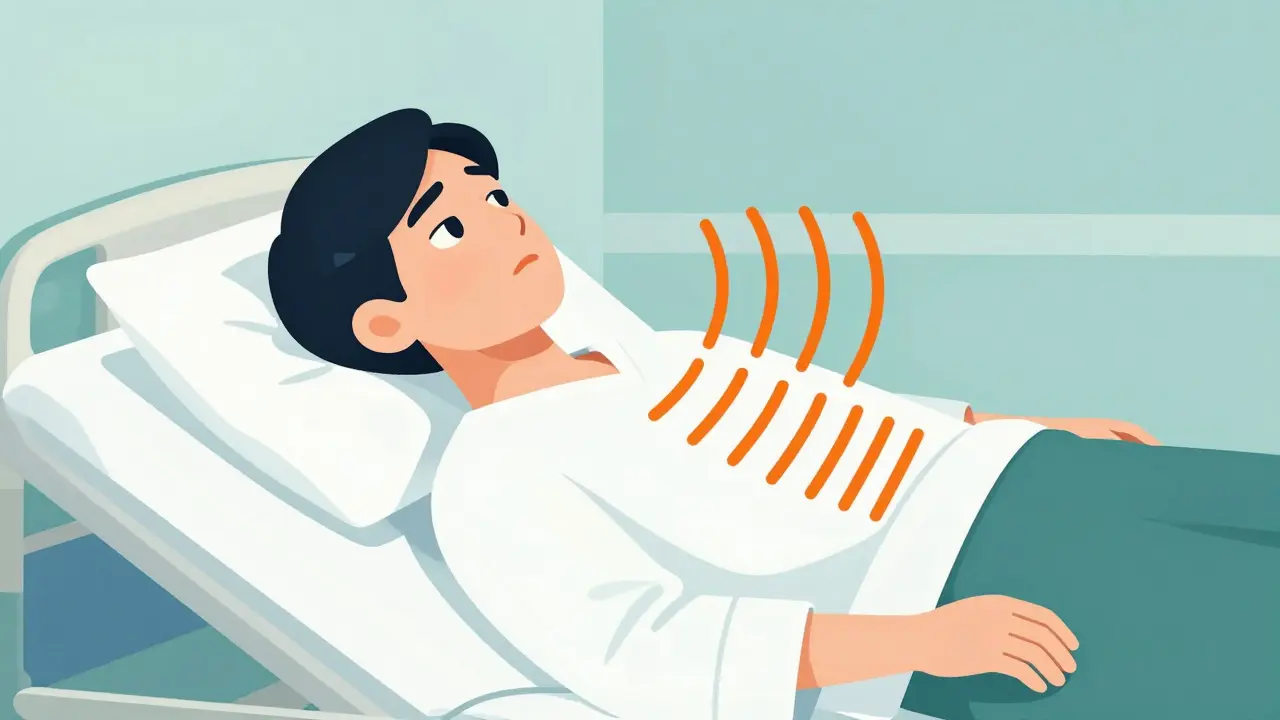
Imagine lying in a hospital bed after a necessary treatment, only to find yourself trapped in a cycle of nonstop hiccups for three days. It sounds like a comedy sketch, but for thousands of people, it's a grueling reality. When your diaphragm starts acting up because of a prescription, it isn't just annoying-it can stop you from sleeping, eating, and recovering from the very illness the medication is supposed to treat. Whether you're dealing with a sudden burst of spasms or a persistent case that won't quit, understanding the link between your pharmacy cabinet and your diaphragm is the first step to getting your life back.
What Exactly Are Medication-Induced Hiccups?
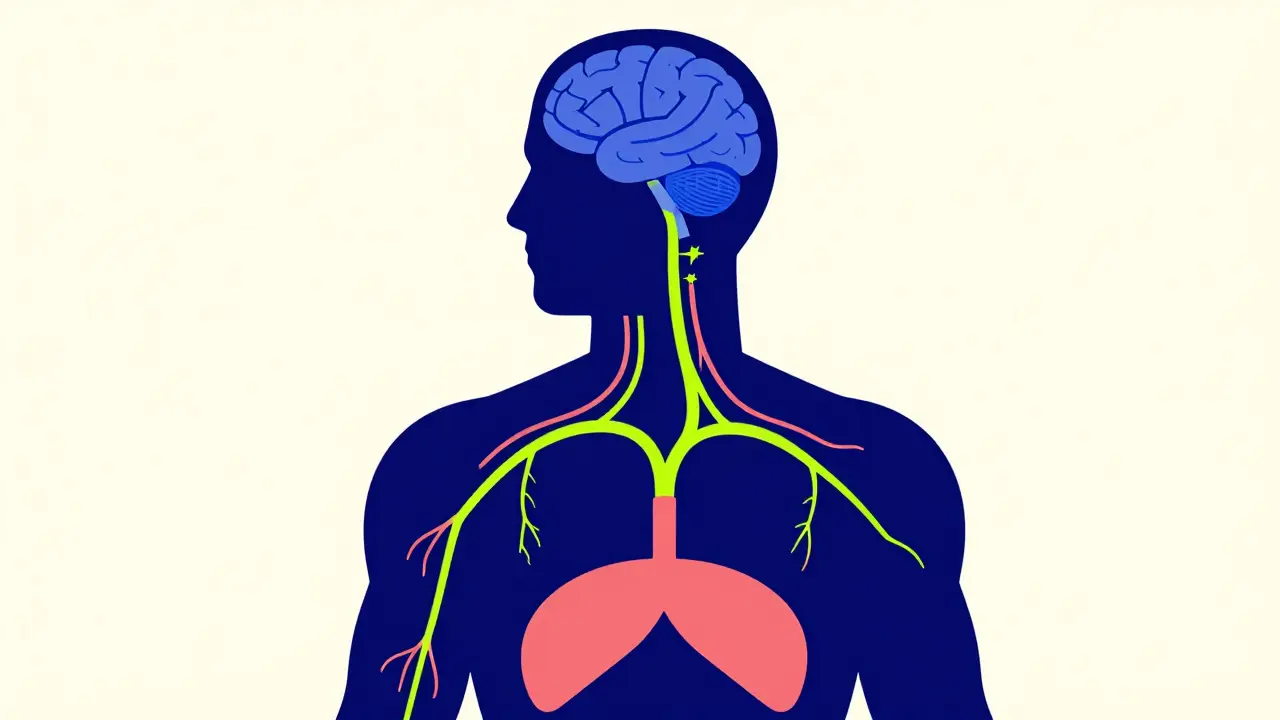
In the medical world, hiccups are known as Singultus is a physiological phenomenon involving involuntary spasmodic contractions of the diaphragm followed by the sudden closure of the vocal cords. While most of us get them after eating too fast or getting excited, some drugs can hijack the "hiccup reflex arc." This arc is a complex circuit involving the vagus and phrenic nerves, the medulla oblongata in your brain, and the diaphragm itself.
When a drug interferes with this circuit-either by irritating the nerves or messing with your brain's neurotransmitters-it triggers a spasm. These cases are clinically significant when they last longer than 48 hours (persistent) or even a month (intractable). According to NIH data, medications cause about 5-10% of all chronic hiccup cases. The real danger isn't the "hic" itself, but the fallout: dehydration, weight loss, and extreme exhaustion from sleep deprivation.
The Usual Suspects: Which Drugs Cause Hiccups?
Not all medications are created equal when it comes to triggering the diaphragm. Some have a much higher affinity for the receptors that control these spasms. For instance, Dexamethasone is a potent corticosteroid used to treat inflammation and certain types of cancer. It is one of the most common culprits. In some trials, over 40% of patients taking dexamethasone alongside chemotherapy experienced hiccups. Some people react to doses as low as 4mg daily.
Other common triggers include:
- Benzodiazepines: Drugs like midazolam, often used in surgery, trigger hiccups in about 8-12% of patients.
- Opioids: Morphine and other strong painkillers can cause gastric distension, which pushes against the diaphragm and triggers the reflex in 5-7% of chronic pain patients.
- Antibiotics: While rarer, drugs like azithromycin or moxifloxacin have been linked to sudden onset hiccups.
| Medication Class | Example Drug | Estimated Incidence | Primary Mechanism |
|---|---|---|---|
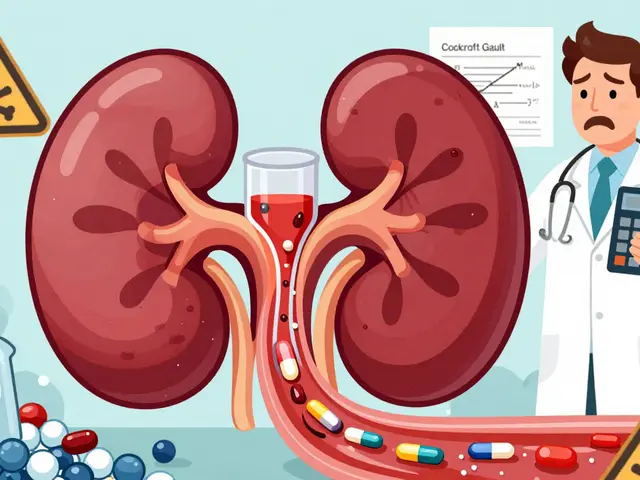
| Corticosteroids | Dexamethasone | Up to 41.2% (with chemo) | Steroid receptor activation |
| Benzodiazepines | Midazolam | 8-12% | CNS neurotransmitter shift |
| Opioids | Morphine | 5-7% | Gastric distension |
| Antibiotics | Moxifloxacin | 0.5-2% | Vagus nerve irritation |
How to Tell if Your Medication is the Cause
The tricky part is that hiccups are rarely listed as a primary side effect on the box. This leads to a lot of misdiagnosis. To figure out if your meds are the cause, doctors often use the Naranjo Adverse Drug Reaction Probability Scale. This tool looks at the timing: Did the hiccups start shortly after you took the pill? Did they stop when you lowered the dose? Did they come back when you restarted the medication?
If you suspect your medication-induced hiccups are the problem, don't just stop your meds-especially if you're on chemotherapy or steroids, as stopping abruptly can be dangerous. Instead, track your symptoms. Note the exact time you take the dose and the exact time the spasms start. This data is gold for your doctor.
Proven Remedies and Treatment Options
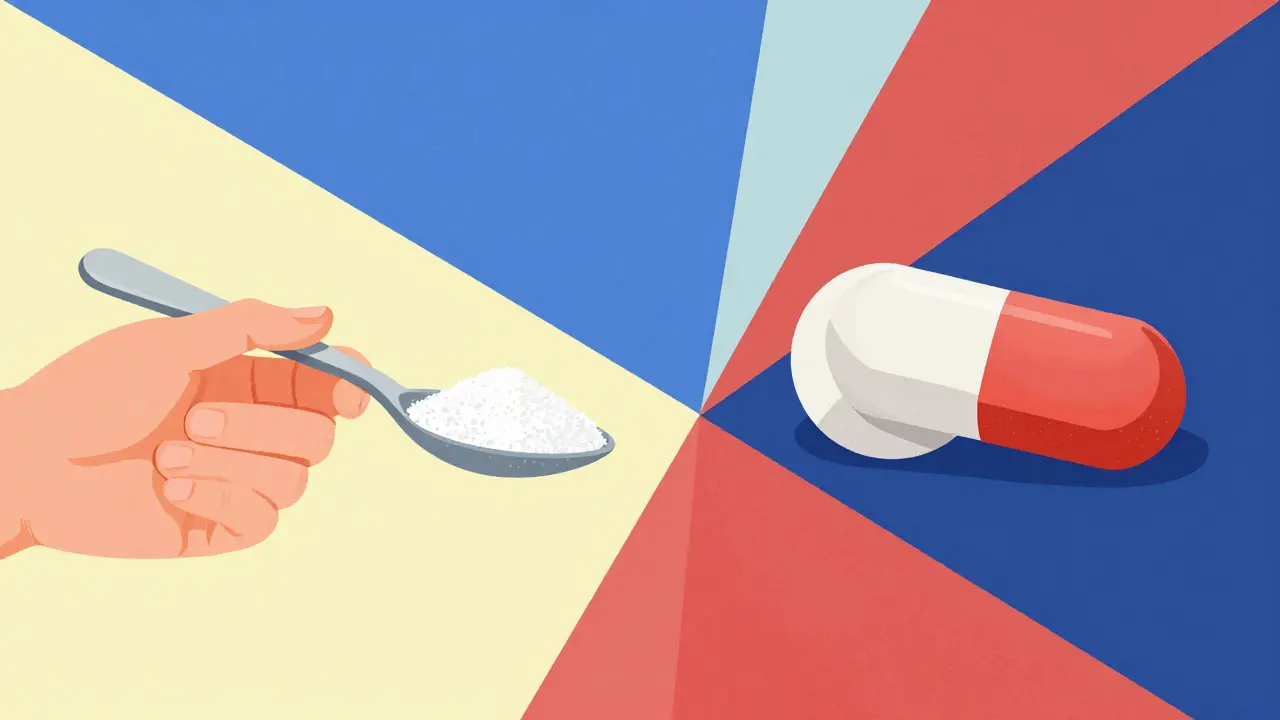
If you're lucky, the hiccups are transient and vanish within 48 hours. If not, you need a strategy. Start with the simple, non-drug methods first. A 2021 study in JAMA Internal Medicine found that swallowing a teaspoon of granulated sugar had a 72% success rate. Gargling with ice water and breath-holding are also effective, though slightly less so.
When home remedies fail, it's time for pharmaceutical intervention. The only FDA-approved drug specifically for hiccups is Chlorpromazine is an antipsychotic medication that can block the signals in the hiccup reflex arc. However, it's a heavy hitter with significant side effects, so it's usually a last resort.
A more modern approach involves Baclofen is a muscle relaxant that acts as a GABA-B receptor agonist to calm the diaphragm. It is often the first choice for steroid-induced cases, showing 60-70% efficacy. In some high-risk scenarios, like cancer patients receiving cisplatin, doctors might prescribe a low dose of baclofen preventatively to stop the hiccups before they even start.
The Path to Recovery: A Step-by-Step Guide
If you are currently struggling, follow this logical progression to find relief:
- Rule out the basics: Ensure you aren't just experiencing gastric distension from eating too quickly or drinking carbonated beverages.
- Audit your medications: Review everything you're taking, including supplements. Look for the "usual suspects" like corticosteroids or benzodiazepines.
- Try the "Sugar Trick": Use granulated sugar or ice water to try and "reset" the vagus nerve.
- Consult your physician: Ask about a dose reduction or a switch in medication. For example, some patients have found relief by switching from dexamethasone to ondansetron for nausea management.
- Pharmacological Support: If the case is persistent, discuss baclofen or chlorpromazine with your specialist.
Can I just stop taking the medication that is causing hiccups?
Absolutely not without medical supervision. Many drugs that cause hiccups, such as corticosteroids (prednisone, dexamethasone), cannot be stopped cold turkey because they can cause adrenal crisis. Always consult your doctor for a tapering schedule or an alternative drug.
How long do medication-induced hiccups usually last?
About 65% of cases are transient, meaning they resolve within 48 hours. However, 30% become persistent (lasting more than 48 hours), and about 5% become intractable, lasting more than a month. Most resolve quickly once the offending drug is removed or the dose is adjusted.
Is there a way to prevent these hiccups before they start?
Yes, especially for high-risk medications. For those taking cisplatin and dexamethasone, prophylactic use of baclofen (e.g., 5mg twice daily) has been shown to significantly reduce the incidence of hiccups from over 40% down to about 12%.
Why does sugar help stop hiccups?
Swallowing granulated sugar provides a strong sensory stimulus to the back of the throat and the vagus nerve. This "distracts" the reflex arc and can break the loop of involuntary contractions, effectively resetting the diaphragm.
What should I do if I can't sleep because of hiccups?
Sleep deprivation is one of the most severe side effects of intractable hiccups. If you cannot sleep, contact your doctor immediately. They may provide a short-term sedative or a muscle relaxant like baclofen to break the spasm cycle and allow you to rest.