Medicare Part D: What It Covers, How It Works, and What You Need to Know
When you’re on Medicare Part D, the federal program that helps pay for prescription drugs for people enrolled in Medicare. It’s not automatic—you have to sign up, and choosing the wrong plan can cost you hundreds or even thousands a year. This isn’t just about getting your pills covered. It’s about understanding deductibles, coverage gaps, tiered pricing, and whether your specific meds are even on the list.
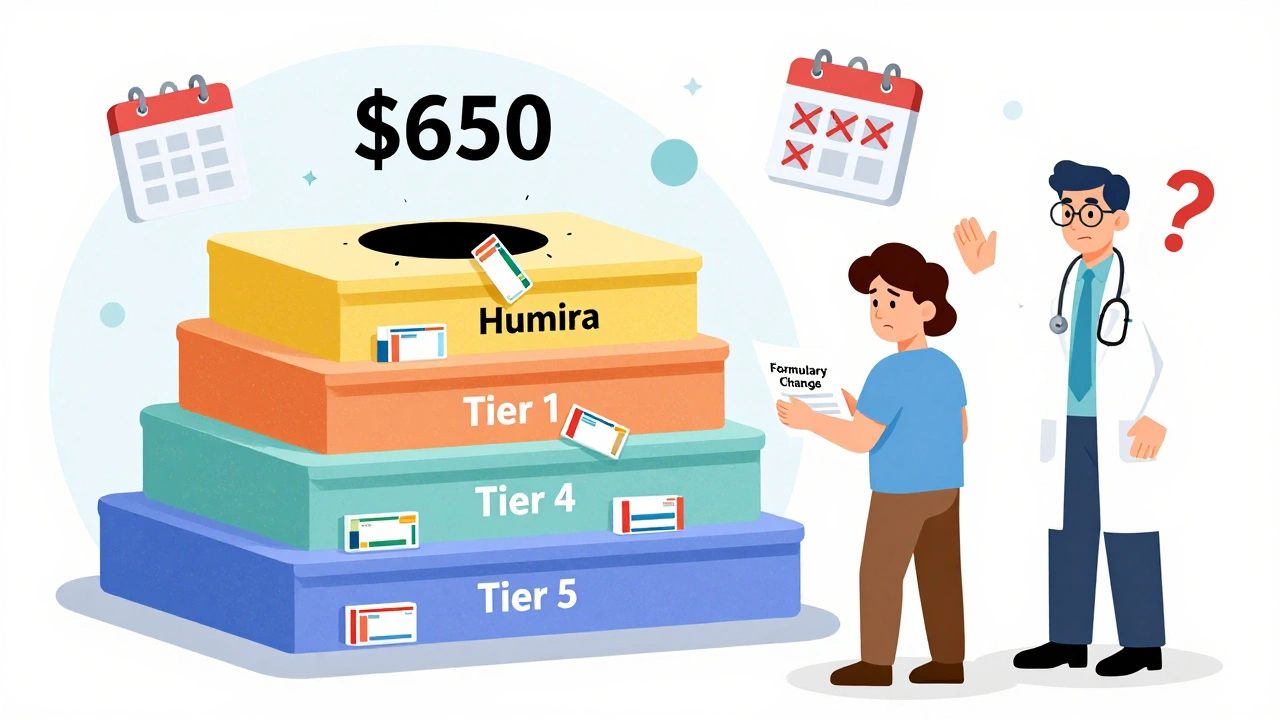
Many people think all Medicare drug plans are the same, but they’re not. Each plan has its own formulary, the list of drugs a plan covers, and that list changes every year. A drug you took last year might be moved to a higher tier—or dropped entirely. And if you’re on a high-cost medication like insulin or a specialty cancer drug, the difference between plans can be life-changing. Some plans have lower monthly premiums but higher out-of-pocket costs when you fill a prescription. Others charge more upfront but kick in sooner after you hit the coverage gap, also known as the donut hole, the phase in Medicare Part D where you pay more for drugs after reaching initial coverage limits.
You don’t need to be a pharmacist to navigate this. But you do need to know what questions to ask. Does your plan cover your exact brand or just the generic? What’s the pharmacy network like? Can you get your meds by mail? Are there prior authorization rules that could delay your refill? These aren’t small details—they’re the difference between sticking to your treatment and skipping doses because it’s too expensive.
And it’s not just about picking a plan once. Every year during Open Enrollment, you should review your options. Your health might change. Your meds might change. The plan’s costs might change. Skipping this step is like ignoring a rising water bill—you won’t notice the damage until it’s too late.
What you’ll find below are real, practical guides that connect directly to how Medicare Part D affects everyday people. From how to check if your drug is covered, to how to appeal a denial, to how to save money using generic alternatives or mail-order pharmacies—all of it ties back to this single system. You’ll also see how drug pricing, manufacturer rebates, and even FDA approval processes for generics play into what you pay at the counter. These aren’t theoretical discussions. They’re the kind of insights people wish they’d known before signing up—or before their next prescription ran out.