
When you pick up a generic prescription at the pharmacy, you might think the price is simple: a few dollars, maybe even free if you’re on Medicare Extra Help. But behind that low cost is a tangled web of federal laws, state regulations, and corporate contracts that determine exactly how much the pharmacy gets paid-and whether they can even afford to fill your prescription.
How Generic Drugs Got Their Price Tag
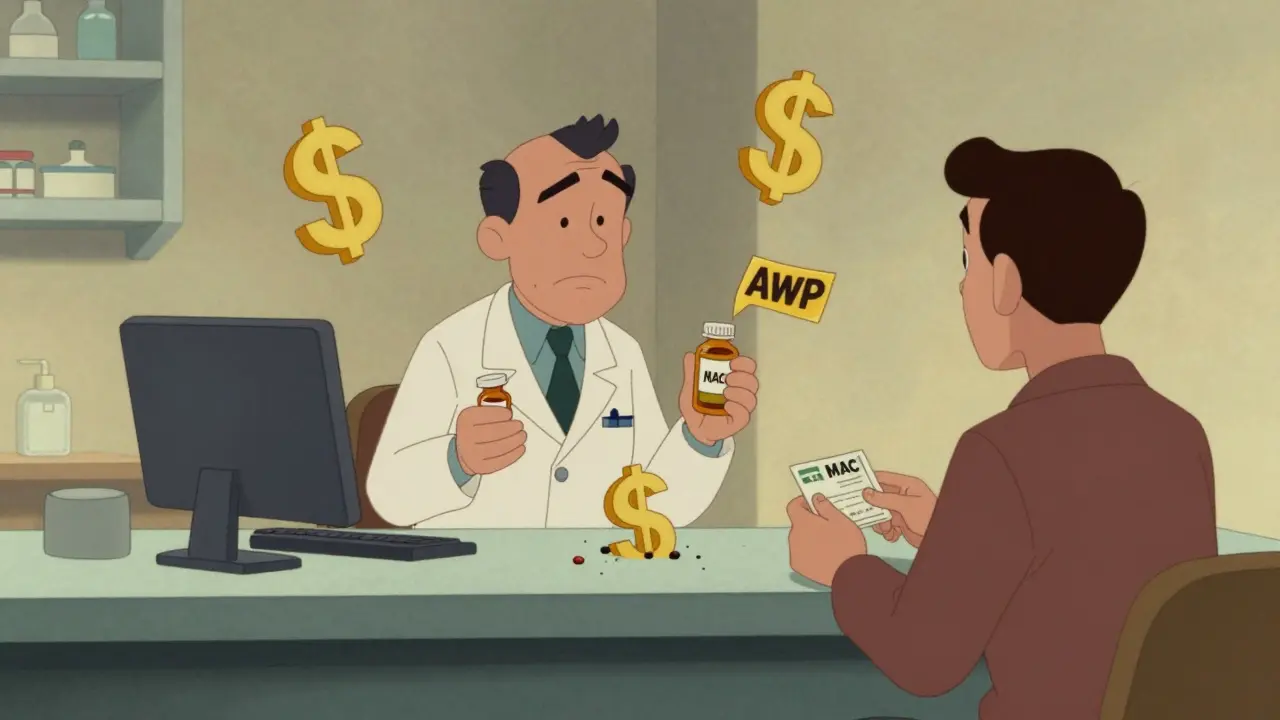
The modern system for paying pharmacies for generic drugs started in 1984 with the Hatch-Waxman Act. This law made it easier for companies to sell generic versions of brand-name drugs by letting them skip expensive clinical trials. The goal? Lower prices. And it worked. Today, 90% of prescriptions filled in the U.S. are for generics-but they make up only about 23% of total drug spending. But here’s the catch: just because a drug is generic doesn’t mean it’s cheap to deliver. Pharmacies still have to buy the pills from distributors, pay staff, cover rent, and handle insurance paperwork. So how do they get paid? Two main models control this: Average Wholesale Price (AWP) and Maximum Allowable Cost (MAC). AWP used to be the standard. It was based on what manufacturers said their drugs cost wholesalers-often inflated, sometimes wildly. Today, most insurers and government programs have moved away from AWP for generics. Instead, they use MAC lists. These are price caps set by pharmacy benefit managers (PBMs) that tell pharmacies: “We’ll pay you no more than $1.20 for this 30-day supply of lisinopril.” If the pharmacy bought the drug for $1.10, they make 10 cents. If they paid $1.50? They eat the loss. That’s why independent pharmacies often struggle. In 2023, the average profit margin on generic drugs was just 1.4%. In 2018, it was 3.2%. That’s not a small drop-it’s a squeeze.Who’s Really Setting the Prices?
You might think drug manufacturers set the price. Or maybe the pharmacy. But the real power lies with pharmacy benefit managers-PBMs. Three companies-CVS Caremark, Express Scripts (Cigna), and OptumRX (UnitedHealth)-control over 80% of all prescription claims in the U.S. PBMs don’t just negotiate prices. They design formularies, decide which drugs are “preferred,” and create reimbursement rules that pharmacies must accept to stay in network. Their revenue doesn’t come from charging insurers directly. It comes from the “spread”-the difference between what the insurer pays the PBM and what the PBM pays the pharmacy. For example: your insurer pays the PBM $5 for a generic blood pressure pill. The PBM pays the pharmacy $3. The $2 difference? That’s the PBM’s profit. And here’s the kicker: you, the patient, often pay a copay based on the $5 price-even if the pharmacy only got $3. That’s why some patients are shocked to find out they could pay less out of pocket if they skipped insurance entirely. Before 2018, pharmacists were legally blocked from telling you this. These “gag clauses” kept them from saying, “This drug costs $4 cash at Walmart.” Congress banned them-but the damage is still felt. Many patients still don’t know their options.Medicare Part D and the Hidden Rules
Medicare Part D covers 50.5 million seniors and disabled Americans. It’s a patchwork of private plans that follow federal rules but set their own formularies. That means two people on Medicare can pay wildly different amounts for the same generic drug. Each plan has tiers. Generics usually sit on Tier 1-the cheapest. But even there, things get messy. Some plans require prior authorization for generics. In 2022, 28% of Part D plans made patients jump through hoops just to get a generic. Others have high deductibles. You might pay $500 out of pocket before your generic copay even kicks in. And then there’s the “donut hole.” Once you hit a certain spending threshold, you pay more for drugs until you hit catastrophic coverage. Generics help you get through it faster-but only if your plan covers them. Some plans put certain generics on higher tiers, making them more expensive than brand-name drugs. In 2025, the Inflation Reduction Act caps out-of-pocket drug costs at $2,000 per year. That’s good news. But it doesn’t fix the root problem: reimbursement rates that don’t match real costs.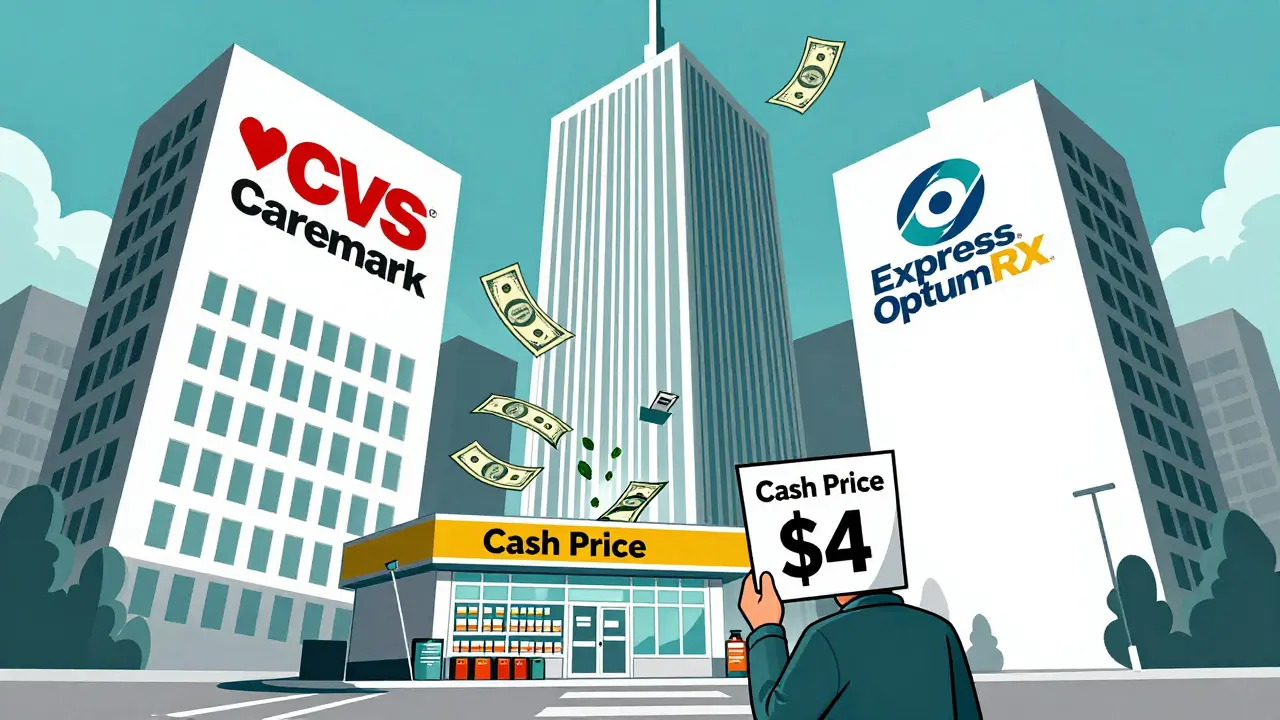
The Drug List: A New Hope?
In 2025, CMS rolled out a voluntary model called the Medicare $2 Drug List. It’s simple: select about 100-150 low-cost, high-use generics-and cap the patient’s copay at $2, no matter what plan they’re on. The drugs are chosen based on three things: how often they’re used, their clinical importance (like metformin for diabetes or atorvastatin for cholesterol), and whether multiple manufacturers make them (to avoid shortages). This isn’t just about saving money-it’s about reducing confusion. Patients know exactly what to expect. Early data from retail chains like Kroger and Walmart show similar models boost adherence. People take their meds more often when they know the price won’t change. But the real test is whether Part D plans will adopt it. So far, adoption is slow. Some plans fear losing control over formulary design. Others don’t want to give up the spread revenue tied to higher-priced generics.State Laws Are Changing the Game
While federal rules set the stage, states are stepping in. As of 2023, 44 states passed laws to regulate how PBMs reimburse pharmacies. Some require PBMs to pay pharmacies at least the actual acquisition cost of the drug. Others ban spread pricing entirely. A few mandate that pharmacists be allowed to tell patients about cash prices. In California, pharmacies can now sue PBMs if they’re underpaid. In Minnesota, PBMs must disclose their reimbursement formulas. These laws aren’t perfect-but they’re forcing transparency. The Medicaid Drug Rebate Program also plays a role. Manufacturers must pay rebates to states based on how much they charge Medicaid. That keeps prices lower-but it also pushes PBMs to demand even bigger discounts from manufacturers. That pressure trickles down to pharmacies, who get squeezed between falling drug prices and fixed dispensing fees.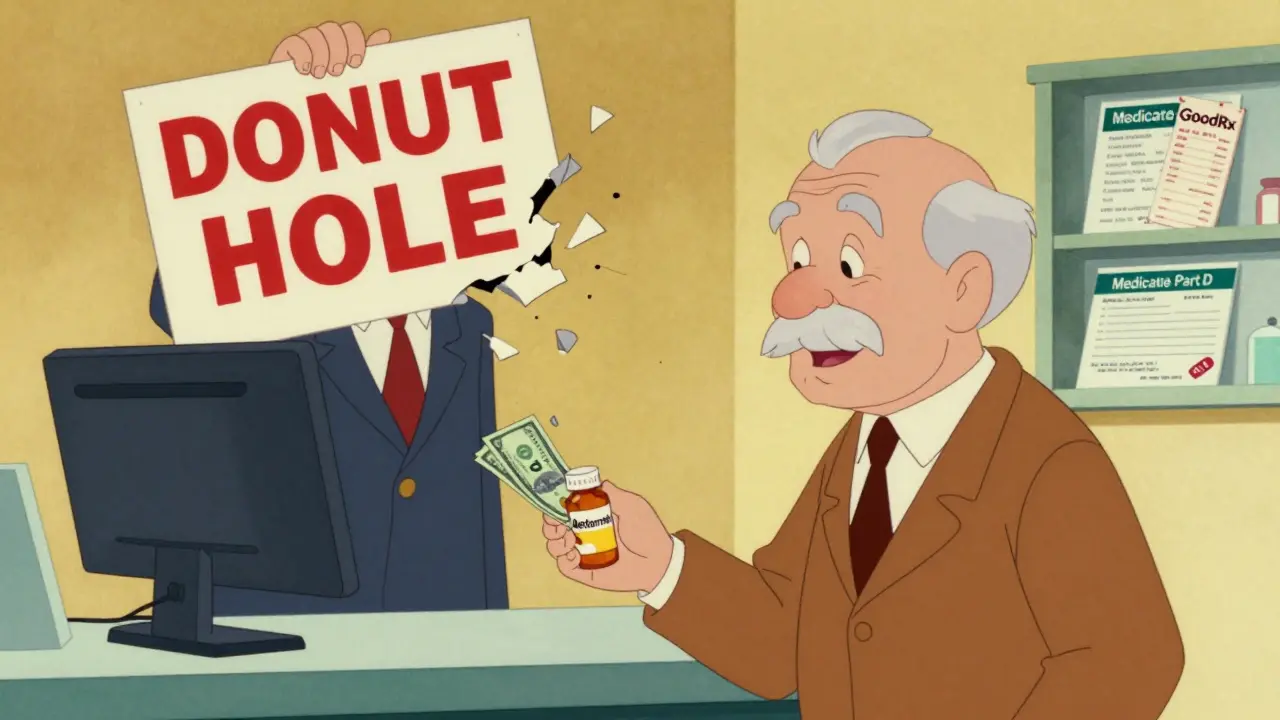
What This Means for You
If you’re on Medicare or have insurance, your generic drug cost isn’t random. It’s shaped by laws, contracts, and corporate profits. Here’s what you can do:- Always ask: “Can I pay cash instead?” Sometimes, cash prices at Walmart, Costco, or CVS are lower than your copay.
- Check your plan’s formulary. Is your generic on Tier 1? Or is it stuck on a higher tier with a bigger copay?
- Use tools like GoodRx or SingleCare to compare prices before you fill your prescription.
- If your pharmacy says they can’t tell you the cash price, they’re breaking the law. Report it.
- Call your plan’s customer service and ask: “What’s the maximum I’ll pay for this generic under my plan?” Don’t accept vague answers.
Why This Matters Beyond the Pharmacy Counter
This isn’t just about drug prices. It’s about trust. When pharmacies lose money on generics, they cut hours. They close. Rural communities lose access. Independent pharmacies-which serve 40% of Medicare beneficiaries-have been closing at a rate of 200 per year since 2019. When patients can’t afford their meds, hospital visits go up. Emergency room use climbs. Chronic conditions get worse. The system was built to save money. But if pharmacies can’t survive, and patients can’t get their drugs, the savings vanish. The real solution isn’t just lowering prices. It’s aligning reimbursement with reality. Pay pharmacies what they actually pay for the drugs. End spread pricing. Stop letting PBMs profit from confusion. And make sure every patient-no matter their income or plan-knows what they’re paying and why. The $2 Drug List is a start. But real change will come when lawmakers, insurers, and PBMs stop treating pharmacies as cost centers-and start seeing them as essential partners in health.Why do pharmacies sometimes lose money on generic drugs?
Pharmacies lose money on generics when the reimbursement rate from insurance or Medicare is lower than what they paid to buy the drug. This often happens because pharmacy benefit managers (PBMs) set Maximum Allowable Cost (MAC) limits that don’t reflect real market prices. If a pharmacy bought a drug for $1.60 but the PBM only pays $1.20, the pharmacy absorbs the $0.40 loss. With average generic margins down to 1.4% in 2023, many pharmacies operate on razor-thin profits.
What is the difference between AWP and MAC reimbursement?
Average Wholesale Price (AWP) is a list price set by manufacturers that was once used to calculate reimbursement but is now considered inflated and outdated. Maximum Allowable Cost (MAC) is a cap set by PBMs based on the actual cost of generic drugs in the market. MAC payments are usually lower and more realistic. For generics, MAC is now the standard-AWP is mostly used for brand-name drugs with active patents.
Can I legally pay cash for a generic drug instead of using insurance?
Yes. Since 2018, federal law bans “gag clauses” that prevented pharmacists from telling you if paying cash would be cheaper than using your insurance copay. You have the right to ask for the cash price, and pharmacists must give it to you. Many generic drugs cost $4-$10 at Walmart, Costco, or CVS without insurance.
How does Medicare Part D affect generic drug access?
Medicare Part D plans choose which generics to cover and on which tier. Some put generics on higher tiers with bigger copays, require prior authorization, or exclude certain brands. This can make a generic more expensive than a brand-name drug. As of 2022, 28% of Part D plans required prior authorization for at least one generic drug. Always check your plan’s formulary before filling a prescription.
What is the Medicare $2 Drug List and how does it help?
The Medicare $2 Drug List is a voluntary CMS program that caps patient copays for about 100-150 widely used, low-cost generic drugs at $2 per prescription. It’s designed to improve adherence by removing price confusion and encouraging use of clinically important generics like metformin, levothyroxine, and atorvastatin. Participating plans must include these drugs on their formularies with fixed, low copays-making it easier for seniors to afford essential medications.
Why are PBMs so powerful in pharmacy reimbursement?
PBMs control 80% of prescription claims in the U.S. and act as middlemen between insurers, drug manufacturers, and pharmacies. They negotiate rebates, set reimbursement rates, design formularies, and collect “spread” profits-the difference between what insurers pay and what pharmacies receive. Because pharmacies need to be in PBM networks to get paid, they often have no choice but to accept unfavorable terms, even if it means losing money on each prescription.



Comments (9)