FDA Approval: What It Means for Your Medications and Why It Matters
When you see FDA approval, the U.S. Food and Drug Administration’s official clearance that a drug is safe and effective for its intended use. Also known as drug market authorization, it’s the gatekeeper between a pill on a lab shelf and the medicine in your cabinet. This isn’t bureaucracy—it’s your safety net. Every prescription, every generic, every new treatment you take has passed through the FDA’s review process. But what does that really mean? And why should you care when you’re just trying to feel better?
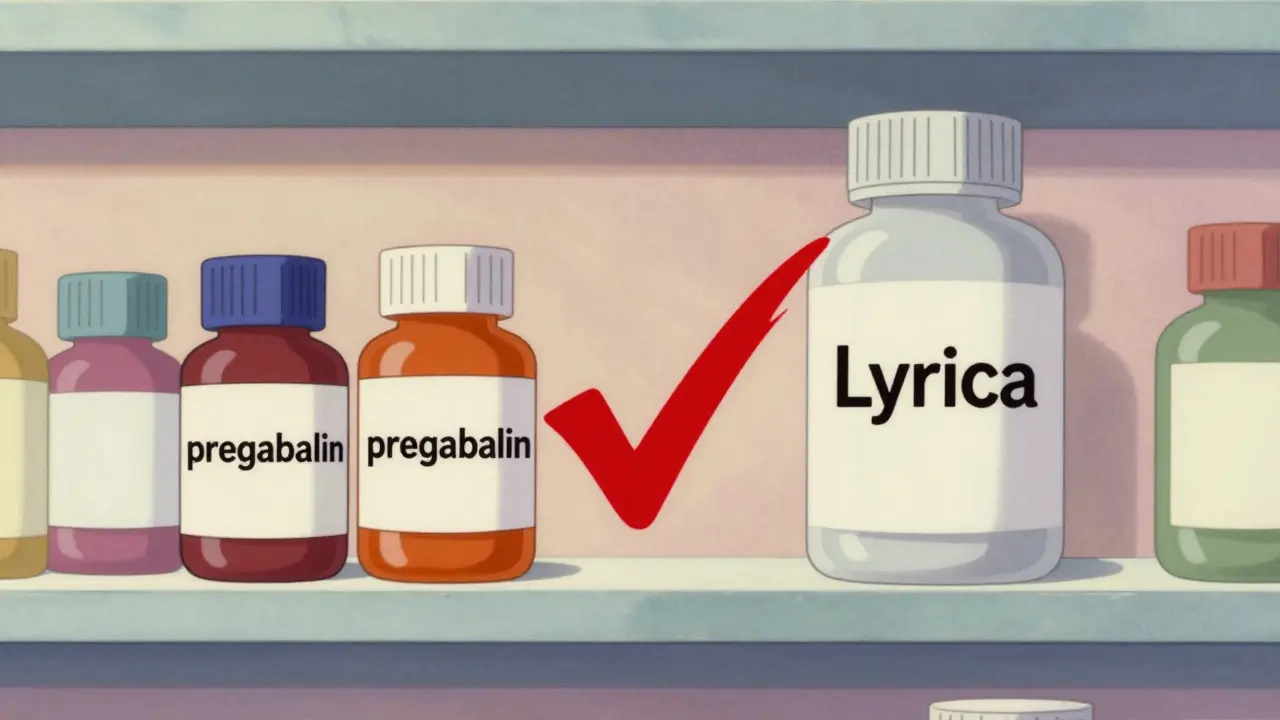
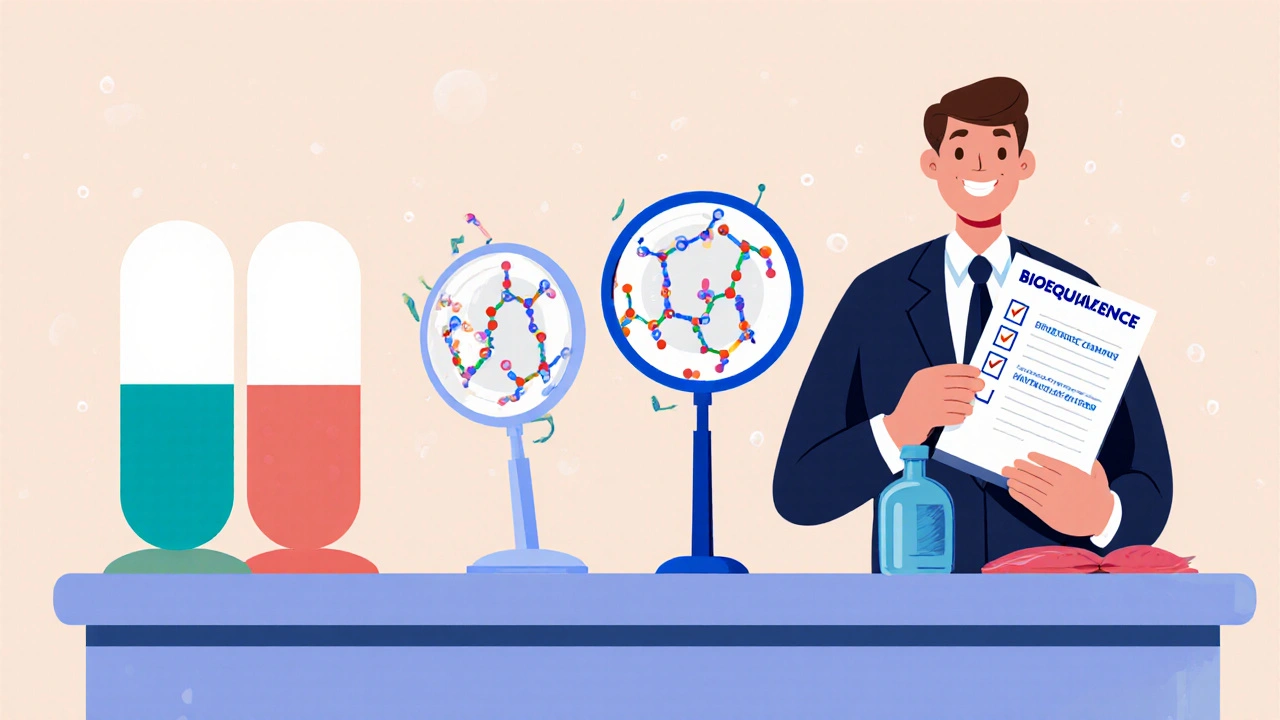
The FDA doesn’t just check if a drug works—it checks how it’s made, who it’s for, and what can go wrong. For generic drugs, medications that copy brand-name drugs in active ingredients, dosage, and effect. Also known as bioequivalent drugs, they must prove they work the same way in your body as the original. That’s not guesswork—it’s strict testing called bioequivalence. The FDA doesn’t allow generics to hit shelves unless they match the brand in strength, speed, and how your body absorbs them. You’re not getting a cheaper version—you’re getting the same medicine, just without the marketing cost.
But approval doesn’t end at the pharmacy counter. Once a drug is out there, the FDA keeps watching. That’s where REMS programs, risk evaluation and mitigation strategies that impose special rules for high-risk medications. Also known as drug safety programs, they can require special training for doctors, patient registries, or even locked packaging come in. Think of them as extra safety locks on powerful drugs—like those used for cancer, seizures, or severe autoimmune conditions. These aren’t optional. They’re legally required because the FDA knows some risks are too big to ignore.
And when something goes wrong? The FDA doesn’t wait for headlines. They monitor side effects, review reports from doctors and patients, and issue safety alerts. You’ll see these in news about drug safety, the ongoing process of tracking and managing risks after a medication is approved. Also known as post-market surveillance, it’s how the FDA catches rare reactions that only show up after thousands of people use a drug. A single report from you—about a strange rash, dizziness, or muscle pain—could help stop a pattern before it becomes a crisis.
Behind every FDA approval is a system designed to balance speed and safety. It’s not perfect. Delays happen. Deficiencies get flagged. Generic manufacturers get stuck with paperwork. But the goal is clear: get good medicine to people as fast as possible, without cutting corners. That’s why you’ll find posts here about deficiency letters, REMS updates, how to read warning labels, and why some drugs get pulled. This isn’t about politics or big pharma—it’s about what’s on your shelf, what’s in your body, and how to know it’s safe.
Below, you’ll find real stories from people navigating FDA-approved drugs—how to spot a counterfeit, why your generic might be out of stock, how to report a bad reaction, and what the agency actually looks for before giving the green light. No fluff. Just what you need to understand your meds and speak up when something doesn’t feel right.