Abbreviated New Drug Application: How Generic Drugs Get Approved by the FDA
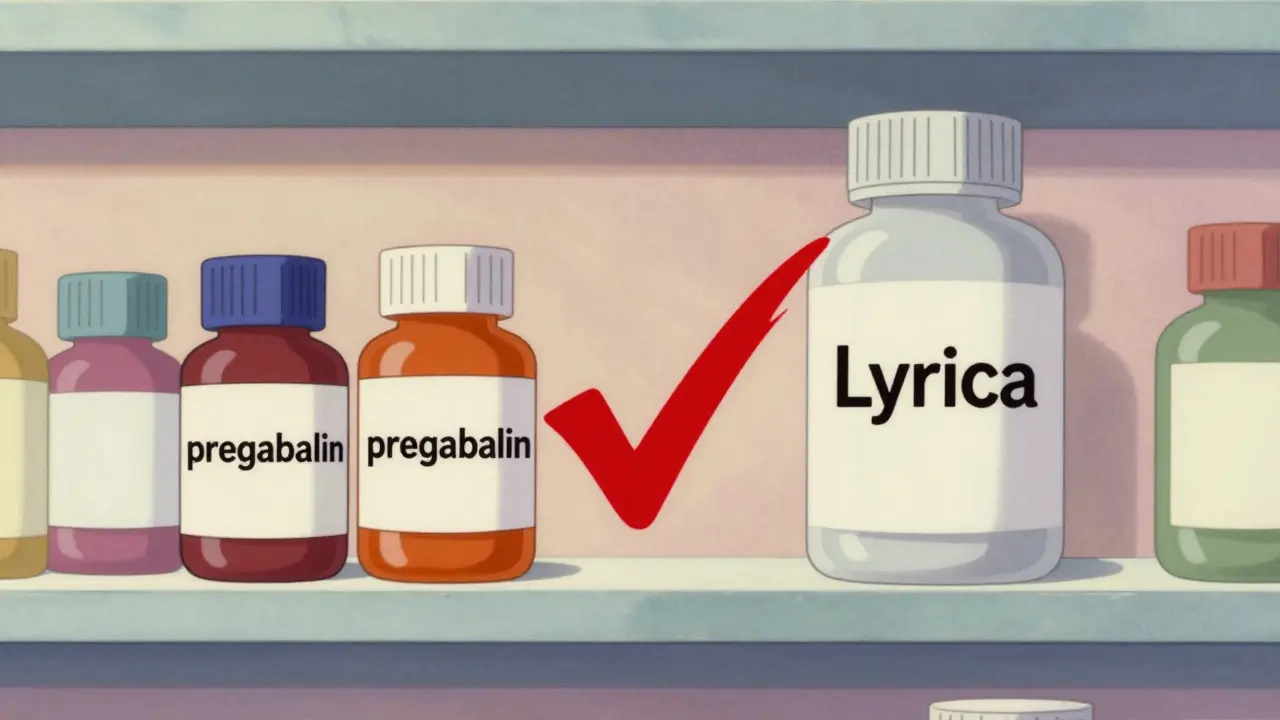
When you pick up a generic pill at the pharmacy, you’re holding the result of something called an Abbreviated New Drug Application, a streamlined regulatory pathway used by the FDA to approve generic versions of brand-name drugs without repeating costly clinical trials. Also known as ANDA, it’s the backbone of affordable medicine in the U.S. Without ANDA, most generic drugs wouldn’t exist—and prices for common meds like metformin or lisinopril would stay sky-high.
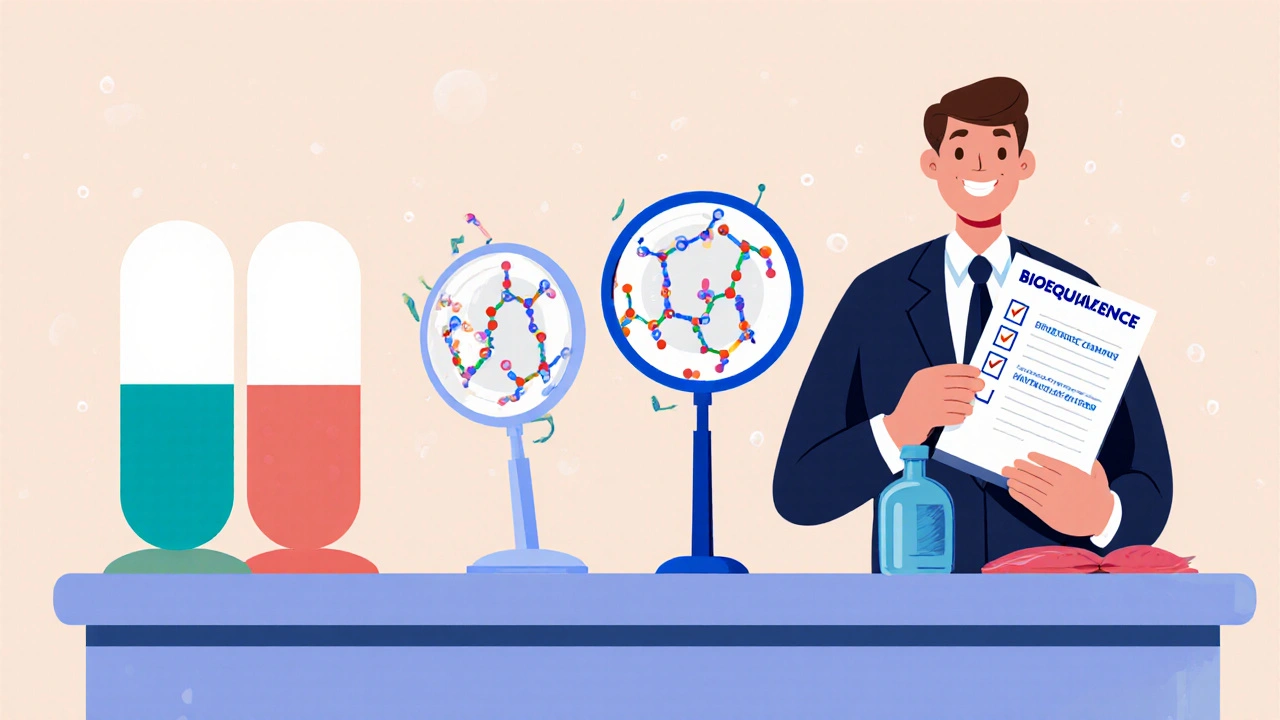
The ANDA process works because it doesn’t need to prove a drug works again. Instead, it proves the generic version is bioequivalent, meaning it delivers the same amount of active ingredient into your bloodstream at the same rate as the brand-name drug. That’s it. The FDA checks the manufacturing site, tests the pill’s breakdown in the lab, and confirms it doesn’t contain harmful impurities. It’s not a shortcut—it’s a smart one. This system saves billions every year and keeps millions on their meds.
But ANDA isn’t perfect. It’s often blocked by pay-for-delay deals, where brand-name companies pay generic makers to delay launching cheaper versions. Or delayed by deficiency letters, official FDA rejections that point to flawed dissolution tests, impurity profiles, or missing stability data. These aren’t just paperwork issues—they’re access issues. When an ANDA gets stuck, patients wait longer for low-cost options, and pharmacies run out of stock.
What you’ll find in this collection are real stories behind the scenes: how the FDA reviews ANDAs, why some applications get rejected, how shortages happen even after approval, and what happens when a generic drug causes unexpected side effects. You’ll see how REMS programs, safety systems for high-risk drugs can complicate generic launches, and how antitrust laws, designed to stop anti-competitive behavior in pharma are trying to keep the system fair. There’s also deep dives into what happens when a generic drug fails a bioequivalence test, how manufacturers fix deficiencies, and why some drugs still don’t have generics after years.
This isn’t just about regulation—it’s about whether you can afford your next prescription. Every ANDA approved means someone’s out-of-pocket cost drops. Every delay means someone skips a dose. The system is complex, but it’s designed to balance safety, speed, and cost. Below, you’ll find clear, no-fluff explanations of how it all works—what gets approved, what doesn’t, and why it matters to you right now.