
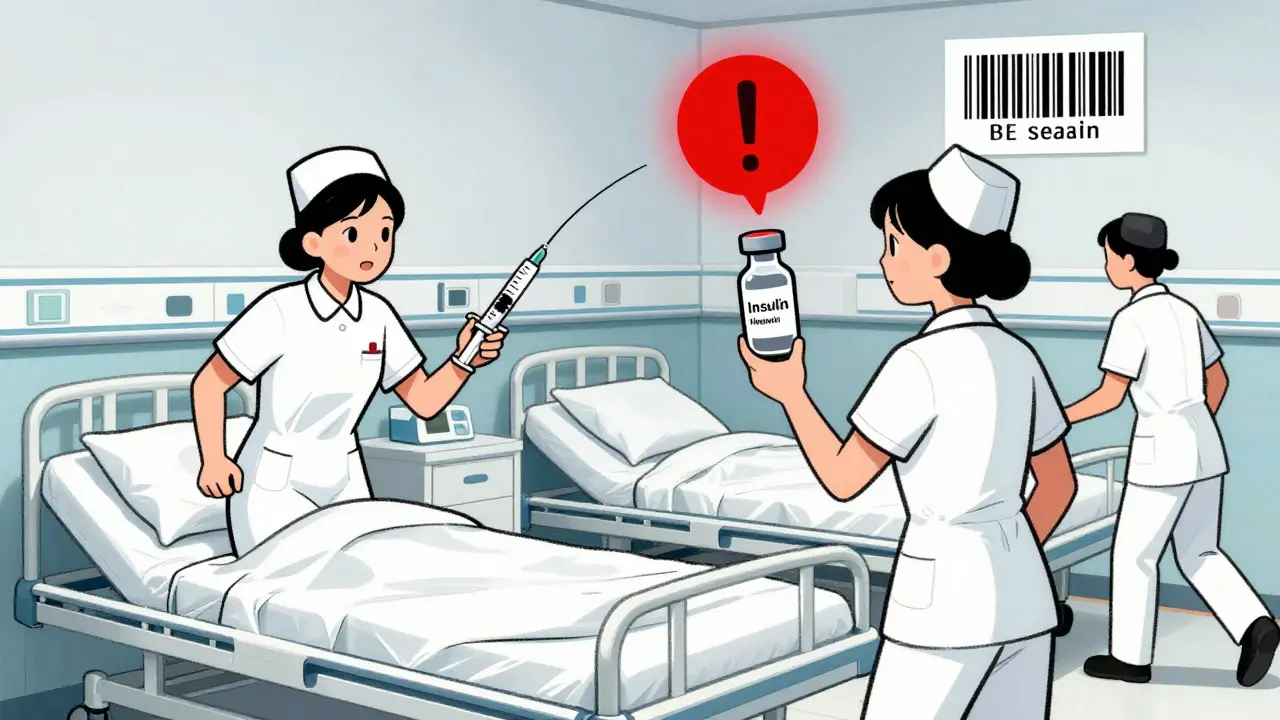
Every year, millions of people in the U.S. get the wrong medication, wrong dose, or wrong instructions - and many never even know it happened. The difference between a hospital and a retail pharmacy isn’t just location. It’s how errors happen, who catches them, and how often they slip through. If you’ve ever picked up a prescription at CVS or Walgreens, or had a loved one in the hospital, you need to understand this: medication errors are far more common in hospitals, but they’re more dangerous in retail pharmacies.
How Many Errors Actually Happen?
In hospitals, mistakes are frequent. A 2006 study in JAMA Internal Medicine found that nearly 1 in 5 doses given to patients in hospitals and nursing homes contained some kind of error. That means if you’re receiving five medications a day, one of them is likely wrong. These errors happen at every step - from when the doctor writes the order, to when the pharmacist fills it, to when the nurse gives it to you. But in retail pharmacies? The numbers look better. A 2018 review of 23 studies found that community pharmacies make an error in about 1.5% of all prescriptions. That’s roughly one mistake for every 67 prescriptions filled. Sounds low, right? But here’s the catch: there are 3 billion prescriptions filled each year in the U.S. That means over 45 million errors happen annually in retail settings alone.Where Do the Errors Happen?
In hospitals, errors aren’t just about the pharmacy. They happen during prescribing, transcribing, dispensing, and especially during administration. Nurses are often rushing between patients, juggling charts, and dealing with complex drug interactions. Common mistakes include giving a drug at the wrong time, giving too much or too little, or confusing one drug for another - like mixing up insulin and heparin. The problem isn’t just human error; it’s the pressure of a high-acuity environment where patients are critically ill and changes happen fast. In retail pharmacies, errors mostly happen during dispensing. The most common mistakes are:- Wrong medication (e.g., giving amoxicillin instead of azithromycin)
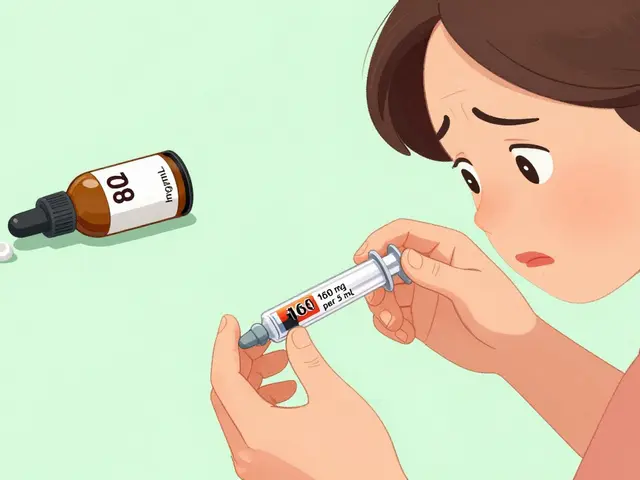
- Wrong dose (e.g., 10 mg instead of 1 mg)
- Wrong instructions (e.g., "take twice daily" instead of "take twice weekly")
Who Catches the Mistakes?
This is the biggest difference. In hospitals, you have layers of safety nets. A pharmacist checks the order. A nurse double-checks the patient’s ID and medication before giving it. Many hospitals use barcode systems that scan the patient’s wristband and the drug. If something’s off, the system alerts them. In one study, barcode systems reduced errors by 86%. In retail pharmacies? There’s no nurse. No barcode scan. No second check. The pharmacist fills the script, the technician may double-check, but if they miss it - the patient walks out with it. And many patients don’t know what they’re supposed to get. They don’t read the label. They don’t ask questions. They trust the pharmacy. That’s why even though retail pharmacies make fewer errors overall, those errors are more likely to reach the patient - and cause harm.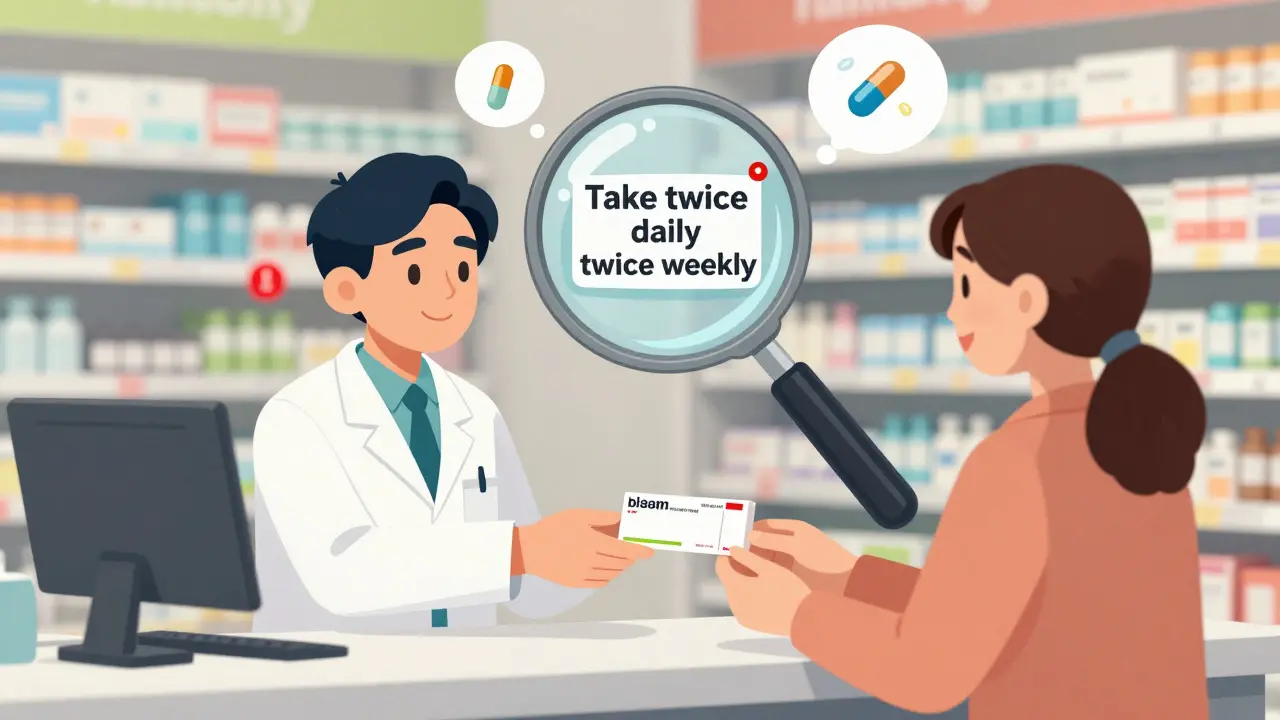
Why Do Errors Happen?
In hospitals, the biggest culprits are:- Overworked staff
- Poor communication between doctors and pharmacists
- Complex patient conditions
- Electronic health record glitches
- High volume: a single pharmacy fills 250+ prescriptions a day
- Time pressure: pharmacists are expected to serve customers quickly
- Distractions: phone calls, insurance issues, cashiers, walk-ins
- Automated systems that don’t catch everything
What Happens When Errors Go Undetected?
In hospitals, even if an error happens, it’s often caught before it hurts the patient. A nurse notices the wrong color of pill. A pharmacist calls to clarify. A computer flags a dangerous interaction. But when an error does get through, the consequences can be deadly - especially for someone on a ventilator, dialysis, or chemo. In retail pharmacies, the harm is quieter but just as real. A patient takes too much blood thinner. They don’t feel sick right away. They go to work. They sleep. Then they wake up with a headache, bruise, or worse - internal bleeding. They go to the ER. They’re hospitalized. The cost? Over $3.5 billion per year just for hospitalizations caused by retail pharmacy errors, according to the Academy of Managed Care Pharmacy. The NIH found that even though only one dispensing error occurs per 10,000 prescriptions, about three out of every 10,000 lead to hospitalization. And those are just the ones we know about.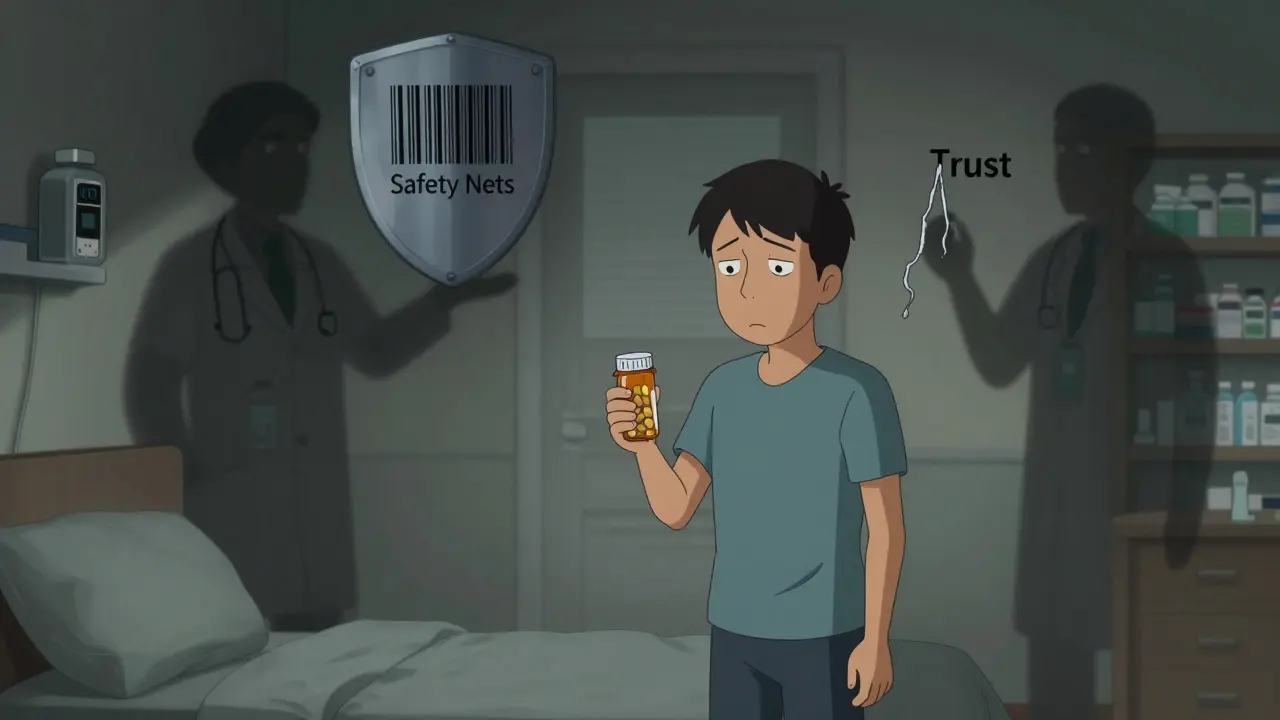
Are We Doing Anything About It?
Hospitals have been improving for years. Electronic prescribing, barcode scanning, clinical decision support, and mandatory error reporting have made big differences. Mayo Clinic cut hospital errors by 52% after integrating their EHR with the pharmacy system. Retail pharmacies are catching up - slowly. CVS Health rolled out AI-powered verification in 2022 and cut dispensing errors by 37%. The FDA is pushing for standardized reporting. California now requires pharmacies to log every error. But most states still don’t require it. And most patients still don’t know they can - and should - ask questions.What Can You Do?
You’re not powerless. Whether you’re getting a prescription filled at a hospital or a CVS, here’s what you can do:- Ask: "Is this the same medication I got last time?"
- Check the label: Does the dose match what your doctor told you?
- Ask the pharmacist: "What is this for?" and "What side effects should I watch for?"
- If you’re unsure - don’t take it. Call your doctor.




Comments (14)