
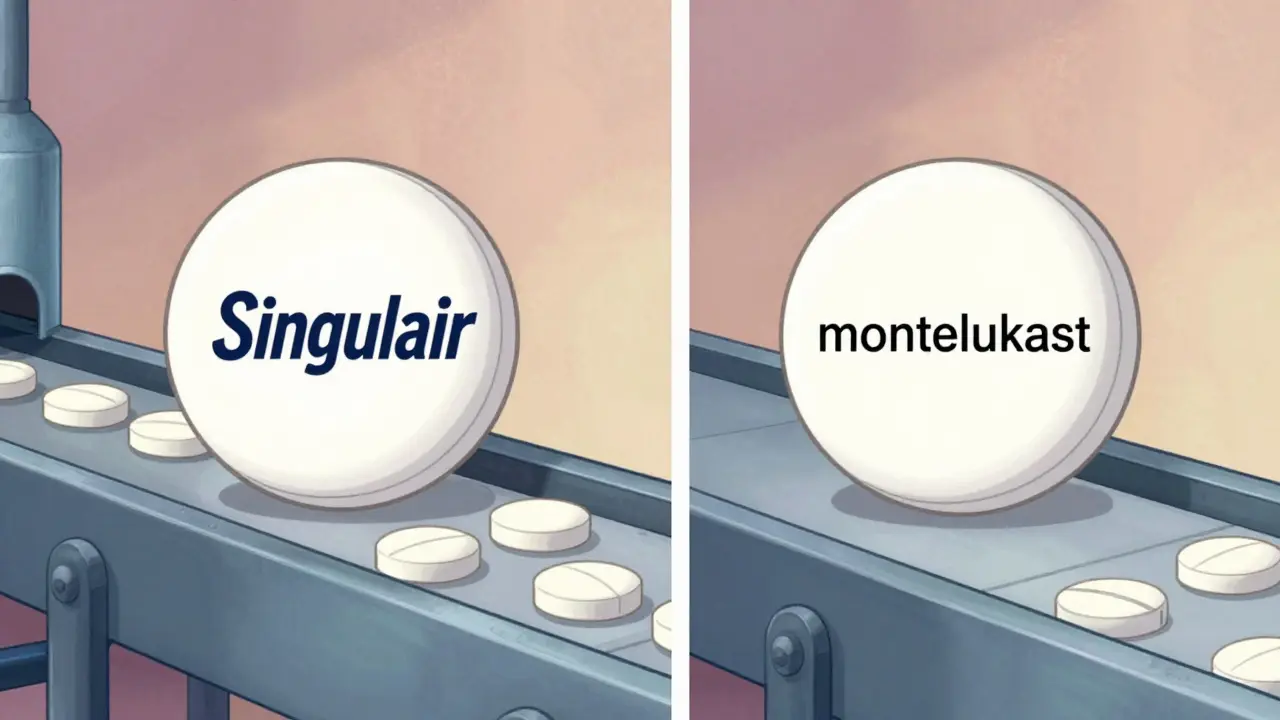
When your doctor prescribes a brand-name drug like Singulair or Lipitor, you might expect to get the same pill with a different label when you pick it up at the pharmacy. But here’s the thing: not all generics are created equal. There’s a big difference between an authorized generic and a traditional generic-and it matters more than most people realize.
What Exactly Is an Authorized Generic?
An authorized generic is the exact same drug as the brand-name version. Same active ingredient. Same inactive ingredients. Same shape, size, and color. The only difference? No brand name on the label. It’s made by the same company that makes the brand-name drug, under the same FDA-approved manufacturing process. Think of it like a store-brand soda that comes from the exact same factory as Coca-Cola. The label says "Cola Flavor" instead of "Coca-Cola," but the recipe is identical. The FDA calls this a "drug product that is marketed without the brand name on its label." It doesn’t go through the usual generic approval process. Instead, it’s simply a rebranded version of the original. That means no extra testing for safety or effectiveness-because it’s the same thing. Authorized generics often show up on shelves right after the brand-name drug’s patent expires, or sometimes even before. That’s because the brand company can launch it themselves to compete with other generics. It’s a business move, but it also gives patients a cheaper option that’s 100% identical to what they were taking.How Traditional Generics Work
Traditional generics, sometimes called "typical generics," are made by different companies. They contain the same active ingredient as the brand-name drug, but they can-and often do-have different inactive ingredients. That means the filler, dye, or binder might be different. The pill might look different. It might taste different. And in rare cases, it might work slightly differently in your body. These generics go through the Abbreviated New Drug Application (ANDA) process. That means the manufacturer has to prove their version is bioequivalent to the brand. In simple terms: it gets into your bloodstream at the same rate and in the same amount. But bioequivalence doesn’t mean identical. It means "close enough" under FDA standards. For most drugs-like blood pressure pills or antibiotics-that’s perfectly fine. Your body doesn’t care if the tablet has cornstarch instead of lactose. But for drugs with a narrow therapeutic index-like warfarin, lithium, or levothyroxine-even tiny changes can cause problems. That’s why some patients notice a difference when switching from brand to generic, or from one generic to another.The Big Difference: Ingredients
This is where things get real. Let’s say you’re on a daily asthma inhaler. You’ve been using the brand version for years. Your doctor switches you to a generic. You start having more flare-ups. If it’s a traditional generic, the issue might be the propellant or the inactive ingredients. Maybe the new version doesn’t deliver the same fine mist. Maybe your body reacts differently to the new coating. These differences are legal under FDA rules, but they’re real in practice. Now, if you’d been switched to the authorized generic? You’d have gotten the exact same inhaler. Same propellant. Same coating. Same everything. Just a plain label. That’s why many patients with chronic conditions-especially asthma, epilepsy, or heart disease-report better outcomes with authorized generics. They don’t have to worry about formulation changes. They get the same drug they’ve always trusted, just at a lower price.Why Authorized Generics Aren’t Listed in the Orange Book
The FDA’s Orange Book is the go-to reference for pharmacists and doctors. It lists all approved generic drugs and their therapeutic equivalence ratings. But here’s the catch: authorized generics don’t appear there. Why? Because they’re not approved as generics. They’re approved as the brand drug, just sold under a different label. So they’re not in the same database as traditional generics. This creates confusion. A pharmacist might see a prescription for a brand-name drug and assume the only alternative is a traditional generic. They might not even know an authorized version exists. Patients, too, often don’t realize their "generic" is actually the exact same drug they were taking before. If you want to make sure you’re getting an authorized generic, ask your pharmacist. Or check the manufacturer name on the bottle. If it’s the same company that makes the brand-name drug, you’re likely getting the authorized version.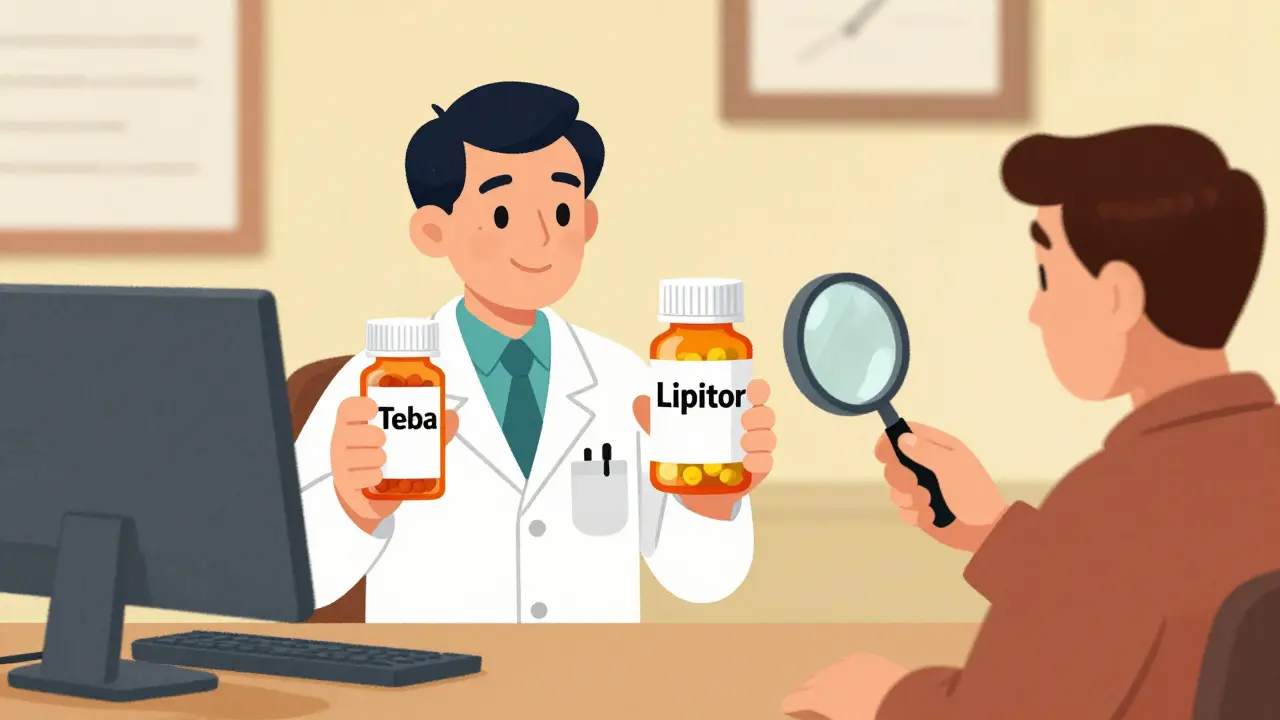
Cost and Insurance Coverage
Both types of generics cost less than brand-name drugs. But authorized generics often cost even less than traditional ones. Why? Because they’re made by the same company that already has the supply chain, quality control, and distribution network in place. Insurance companies love authorized generics. They’re cheaper than the brand, and they eliminate the risk of therapeutic failure. Many plans will cover the authorized generic at the lowest tier-sometimes even lower than traditional generics. But here’s the problem: not all insurers track them separately. Your plan might list "montelukast" as covered, without distinguishing between the authorized and traditional versions. So you might end up with the cheaper traditional generic, even if you’d prefer the exact match. If cost is your main concern, both are good options. But if consistency matters-especially for long-term conditions-ask for the authorized version. You might be surprised how often it’s available.When to Ask for an Authorized Generic
You should consider asking for an authorized generic if:- You’ve had issues switching between different generic versions
- You’re on a drug with a narrow therapeutic index (like thyroid meds, seizure drugs, or blood thinners)
- You’ve noticed changes in how your medication works after a switch
- You want the exact same formula you’ve been using for years
- You’re on a specialty medication where consistency matters (like inhalers or injectables)
What Pharmacists Don’t Always Tell You
Many pharmacists don’t know the difference between authorized and traditional generics. They’re trained to dispense what’s listed on the formulary, and they rely on the Orange Book-which doesn’t include authorized generics. That means you might get a traditional generic even if the authorized version is available. You might not even know it. The best move? Always check the label. Look at the manufacturer name. If it’s the same as the brand-name drug, you’ve got the authorized version. If it’s a different company-like Teva, Mylan, or Sandoz-you’ve got the traditional generic. And if you’re unsure, ask. Say: "Is this the authorized generic?" or "Is this made by the same company as the brand?" Most pharmacists will check and let you know.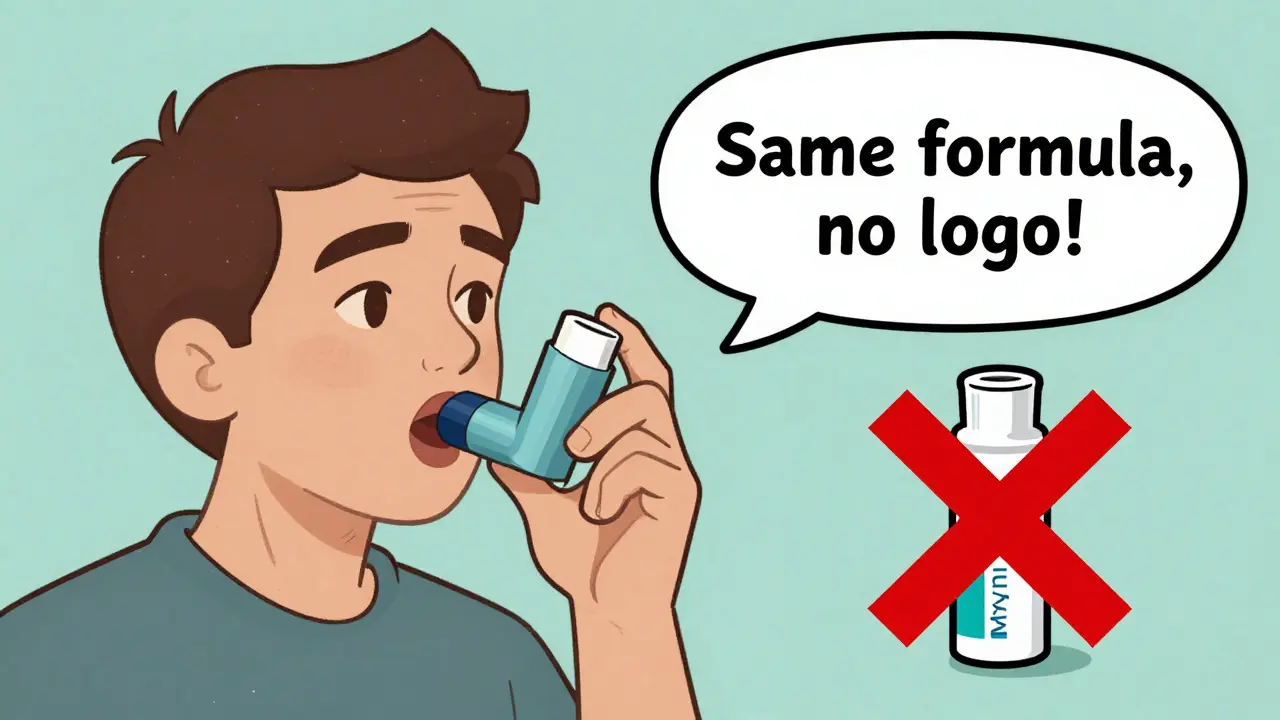
Why This Matters for Your Health
It’s easy to think all generics are the same. But they’re not. And for people who’ve spent years on a stable medication, even a small change can throw off their entire routine. A 2023 study in Health Affairs found that patients on asthma medications reported fewer flare-ups when switched to authorized generics compared to traditional ones. Why? Because the inhaler’s delivery system didn’t change. Another study showed that patients on levothyroxine (a thyroid medication) had more lab abnormalities when switching between traditional generics. But when they stayed on the authorized version, their levels stayed steady. This isn’t about brand loyalty. It’s about consistency. Your body remembers how a drug feels. If the formula changes-even slightly-it can take weeks to adjust. And in some cases, it can lead to hospital visits.What’s Changing in 2026
The FDA is now publishing a quarterly list of authorized generics on its website. That’s new. It’s a step toward better transparency. More brand manufacturers are launching authorized generics before traditional ones hit the market. It’s a way to keep control over quality while still competing on price. And patients are starting to ask. More people are demanding the exact same drug they’ve always used. That’s pushing pharmacies and insurers to pay attention. In the next few years, we’ll likely see more authorized generics available-not just for pills, but for inhalers, patches, and even injectables.Bottom Line
Authorized generics aren’t magic. They’re just the same drug you already know, with a plain label. Traditional generics are different. They’re approved to be "close enough," but they’re not identical. If you’re on a medication that keeps you stable, and you’ve never had a problem with it, ask if an authorized version is available. It might cost the same-or even less. And you’ll know you’re getting the exact same product. Don’t assume all generics are equal. Ask. Check the label. Know what you’re taking. Your health deserves nothing less.Are authorized generics the same as the brand-name drug?
Yes. Authorized generics contain the exact same active and inactive ingredients as the brand-name drug. The only difference is the label-no brand name, no logo, just the generic name. They’re made in the same factory, using the same process, and are considered therapeutically identical by the FDA.
Why aren’t authorized generics listed in the Orange Book?
Because they’re not approved as generics. They’re approved under the original brand’s New Drug Application (NDA). The FDA doesn’t require a separate approval, so they’re not included in the Orange Book, which only lists drugs approved through the Abbreviated New Drug Application (ANDA) process.
Can I ask my pharmacist for an authorized generic?
Absolutely. You can ask if the generic being dispensed is an authorized version. Look for the manufacturer name on the bottle-if it matches the brand-name drug’s maker, it’s authorized. If it’s a different company, it’s a traditional generic. Pharmacists can usually check this in their system.
Are authorized generics cheaper than traditional generics?
Often, yes. Because they’re made by the original brand company, they skip the costs of setting up a new manufacturing line. This often makes them cheaper than traditional generics, especially when there’s only one traditional generic on the market. Insurance plans frequently cover them at the lowest tier.
Should I avoid traditional generics?
No. Traditional generics are safe and effective for most people and most medications. But if you’re on a drug with a narrow therapeutic index-like thyroid medication, seizure drugs, or blood thinners-or if you’ve noticed changes after switching generics, an authorized version may offer more consistency. It’s about matching the drug to your needs, not avoiding generics entirely.






Comments (13)