
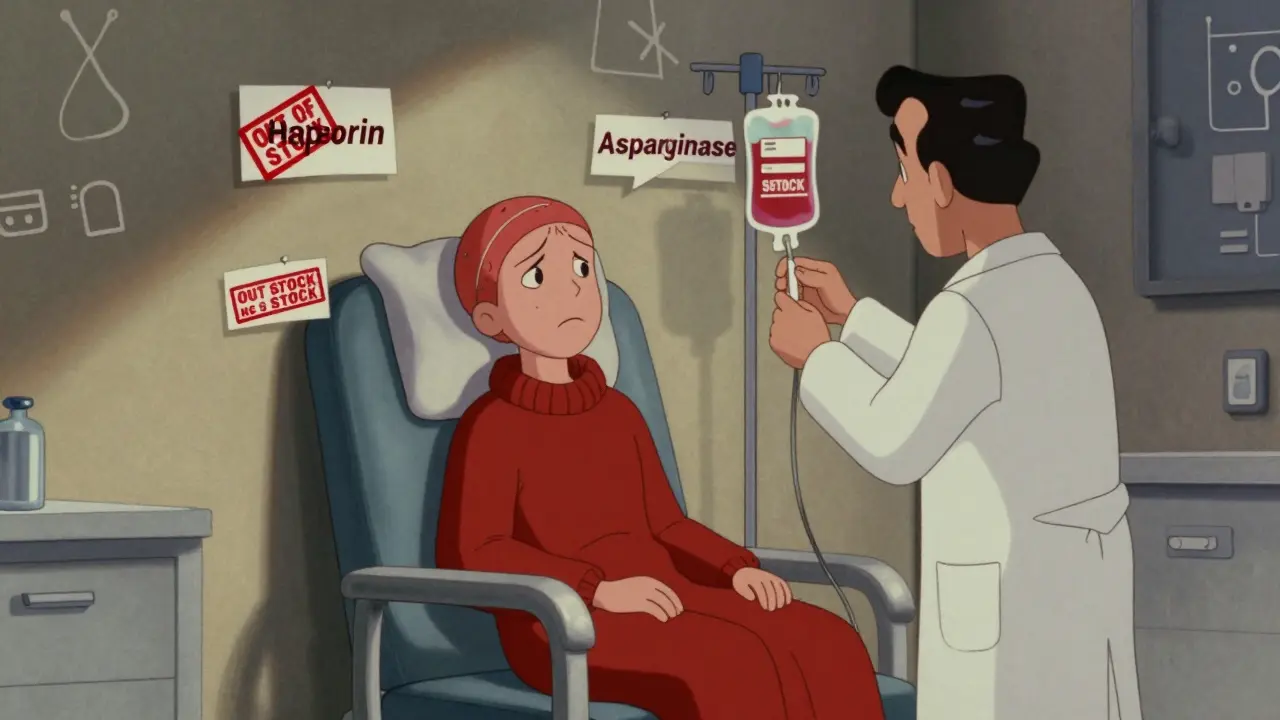
When a patient walks into a hospital or clinic needing a life-saving drug, they expect to get it. But in 2025, that’s no longer a guarantee. Across the U.S., drug shortages are forcing doctors to delay cancer treatments, substitute less effective antibiotics, and even cancel surgeries because the IV fluids they need aren’t available. This isn’t a rare glitch-it’s a systemic breakdown that’s been growing for years, and it’s hitting patients where it matters most: their health.
What’s Really Behind the Shortages?
Drug shortages aren’t random. They’re the result of a fragile, global supply chain that’s been under strain for decades. About 47% of shortages come from broken international supply lines-most of the active ingredients in common medications are made overseas, often in just one or two factories. If a single plant in India or China shuts down for quality control issues, it can ripple across the entire U.S. market. Manufacturing problems account for another 32% of shortages, and raw material shortages make up the rest. What’s worse? Most of the drugs in short supply are generics. These are cheap, old medications that don’t bring big profits. Companies stop making them because it’s not worth the cost. In 2023, 83% of all shortages were for generic drugs-things like heparin, saline bags, and common antibiotics. Meanwhile, brand-name drugs, which have higher margins, rarely run out.Who Gets Hurt the Most?
It’s not just any patient. The people hit hardest are those with chronic or life-threatening conditions. Cancer patients needing asparaginase or nelarabine have seen treatment delays of up to two weeks. That’s not just inconvenient-it can mean the difference between remission and relapse. Children with leukemia, who rely on precise pediatric formulations, are especially vulnerable. Hospitals report pediatric units monitor 25% more shortages than general units because kids can’t just take adult doses. Patients with chronic pain are skipping doses of opioids because pharmacies can’t get them in. People with heart conditions are getting alternative anticoagulants that require more monitoring, longer procedures, and higher risk. One study found cardiac surgery centers took 22% longer to operate during heparin shortages because staff had to learn new protocols on the fly. Even routine care suffers. A patient showing up for a simple infusion of chemotherapy or antibiotics might be turned away because the drug isn’t in stock. Outpatient infusion centers reported that 41% of patient cases were delayed, missed, or canceled due to shortages in 2023.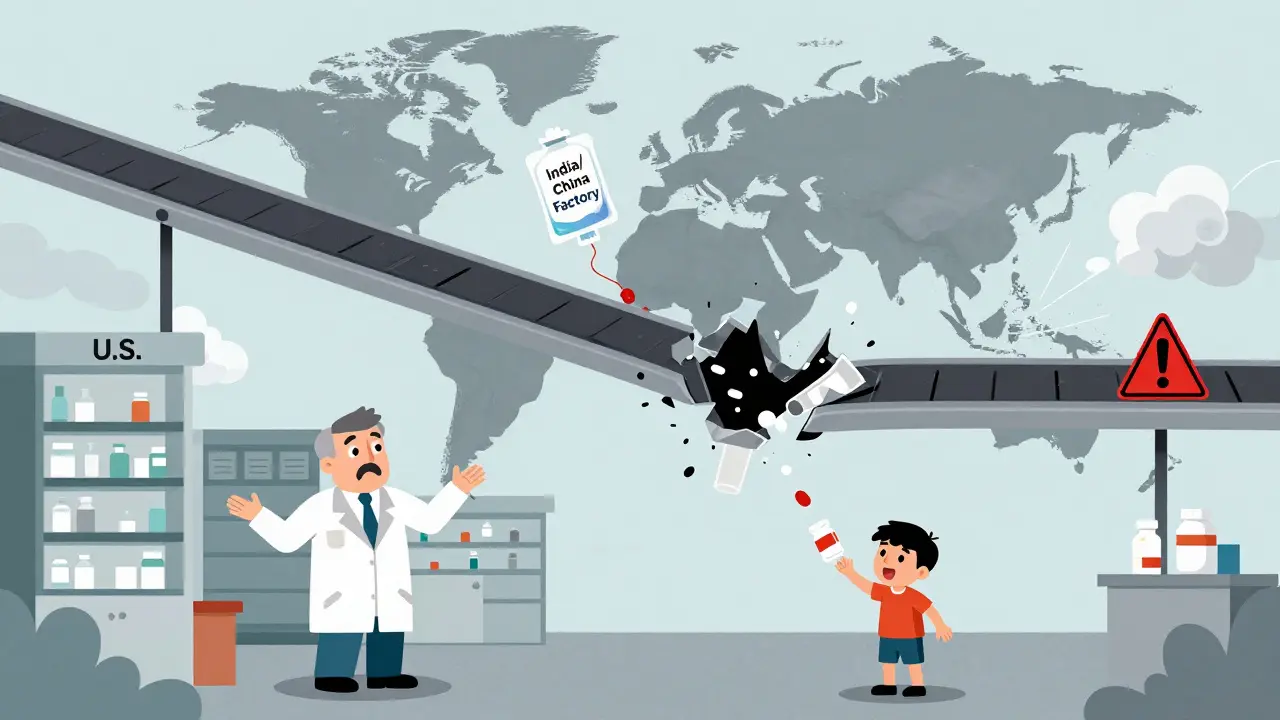
The Hidden Costs: More Than Just Money
The financial toll is huge. Hospitals spent nearly $900 million in 2023 just on extra labor to manage shortages-tracking down alternatives, training staff, rewriting protocols. Each shortage takes an average of 15 to 20 hours per week per pharmacy team. Pediatric units need even more. That’s time doctors and pharmacists could spend with patients. But the real cost isn’t on the balance sheet-it’s on the patient’s chart. Medication errors linked to shortages jumped from 38% in 2019 to 43% in 2024. Why? Because when a drug isn’t available, staff have to switch to something unfamiliar. A nurse gives a patient the wrong dose because the alternative looks similar. A doctor prescribes a substitute that interacts badly with another medication. One study found error rates rose 18.3% during transitions to new drugs. Patients are also paying more out of pocket. During shortages, the few remaining suppliers raise prices. On average, patients pay 18.7% more for their meds when they’re scarce. For someone on Medicare, that can mean choosing between food and medicine. An estimated 1.1 million Medicare patients could die over the next decade because they can’t afford their prescriptions.What Happens When There’s Nothing to Substitute?
Sometimes, there’s no good alternative. Take IV saline bags. In 2023, 85% of hospital pharmacists had to create emergency protocols because the standard bags weren’t available. Some used oral fluids for patients who needed IV hydration. Others delayed surgeries because they couldn’t flush IV lines safely. These aren’t theoretical risks-they’re real decisions made every day. In oncology, the lack of asparaginase forced some hospitals to pause treatment for weeks. Patients were told to come back later. Others were given less effective drugs that didn’t work as well against their cancer. The result? Higher relapse rates and fewer survivors. And it’s not just hospitals. Pharmacies in rural areas often can’t even get the drugs they need. Patients drive hours to fill prescriptions, only to be told, “We don’t have it.” Many just give up. A JAMA Network Open study found that patients are skipping doses, cutting pills in half, or stopping treatment entirely because they can’t get their meds.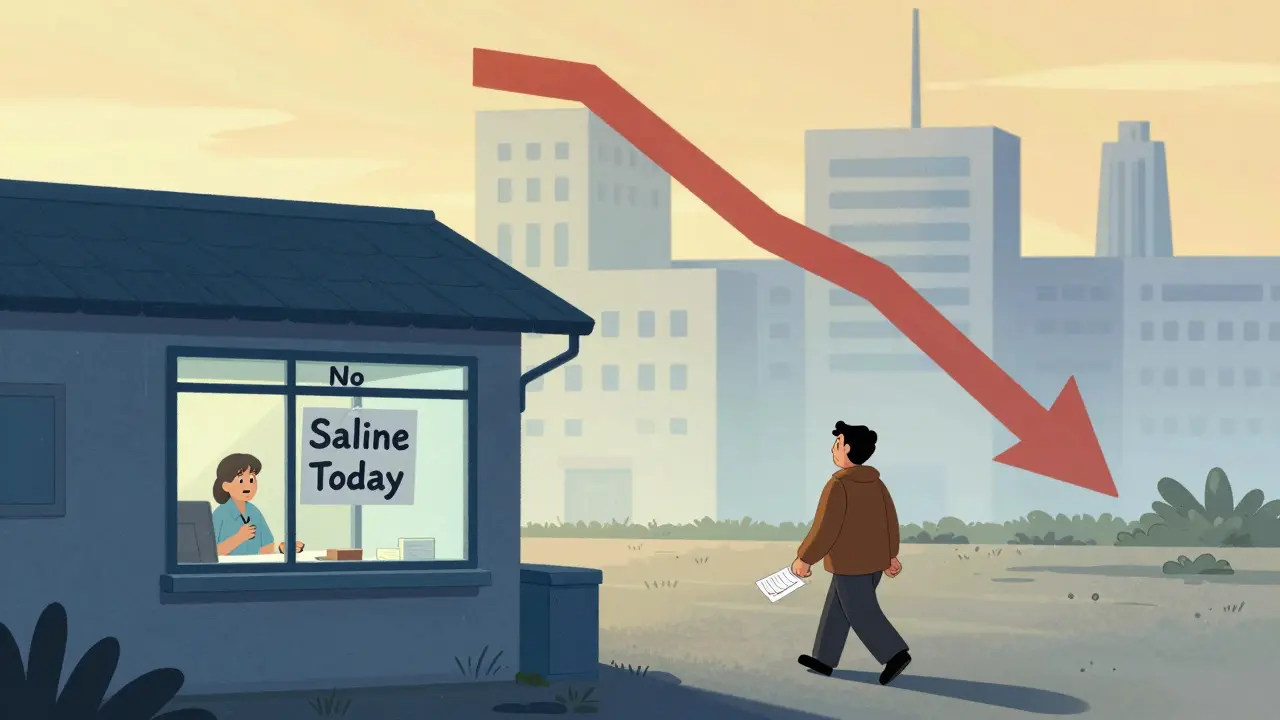
Why Isn’t This Fixed Yet?
The FDA introduced new rules in 2023 requiring manufacturers to report potential shortages six months in advance. That sounds helpful-but it doesn’t fix the root problem. Companies still don’t make enough money on generics to justify investing in backup production. The market doesn’t reward reliability-it rewards low cost. Some hospitals are trying to fight back. Larger systems are forming shortage management teams, using real-time tracking software, and joining group purchasing organizations like Vizient to pool buying power. Since 2023, these groups have saved members nearly $300 million in avoided inventory costs. But not every hospital can afford that kind of tech or staff. Smaller clinics and rural pharmacies? They’re left scrambling. They don’t have the resources to monitor dozens of shortages, train staff on new protocols, or negotiate with suppliers. For them, a shortage means a patient goes without.What’s the Future Looking Like?
There’s been a small win: active shortages dropped from 323 in early 2024 to 253 by mid-2025. That’s the first decline since 2022. But it’s still way above the 187 shortages recorded in 2021. We’re not out of the woods. Some experts are pushing for onshoring-bringing drug manufacturing back to the U.S. or allied countries. By 2027, 78% of hospital systems plan to increase domestic production of critical drugs. That could help, but it takes years and billions of dollars to build new facilities. Until we fix the incentives, shortages will keep happening. We need policies that reward manufacturers for making reliable, low-margin drugs-not just the profitable ones. We need better tracking, more transparency, and real consequences for companies that fail to report risks. For now, patients are paying the price. And every day, someone waits longer for treatment. Someone gets a riskier drug. Someone skips their dose because they can’t afford it-or because it’s simply not there. This isn’t just a pharmacy problem. It’s a public health emergency. And until we treat it like one, the next person who needs a drug won’t get it on time.Why are generic drugs more likely to be in shortage than brand-name drugs?
Generic drugs make very little profit for manufacturers-often just pennies per pill. Companies focus on making brand-name drugs that earn higher margins. When a generic drug becomes unprofitable, manufacturers stop producing it. With only one or two suppliers, any disruption-like a factory shutdown or raw material delay-means the drug disappears from shelves. There’s no backup because no one else is making it.
How do drug shortages affect children differently than adults?
Children often need specific doses and formulations that adults don’t. A drug that comes in a 50mg tablet for adults might need to be available as a 5mg liquid for a child. Fewer manufacturers make pediatric versions, and when they do, they produce smaller batches. When a shortage hits, pediatric doses are the first to run out. Hospitals report pediatric units track 25% more shortages than general units because of this complexity.
Can patients do anything if their medication is in short supply?
Yes, but options are limited. Patients should talk to their doctor or pharmacist immediately. They may be able to switch to an alternative drug, adjust the dosage, or get a temporary supply through a specialty pharmacy. Some hospitals have emergency stockpiles. Patients should never stop taking a medication without medical advice-even if it’s hard to find. Skipping doses can be dangerous, especially for conditions like cancer, epilepsy, or heart disease.
Are drug shortages getting better or worse?
There’s a small improvement. Active shortages dropped from 323 in early 2024 to 253 by mid-2025, the first decline since 2022. But they’re still far above pre-pandemic levels (187 in 2021). The FDA’s new reporting rules are helping predict some shortages, but they don’t fix the underlying problem: lack of profit incentive for making low-cost drugs. Without major policy changes, shortages will keep coming back.
What’s being done to solve drug shortages?
Hospitals are using software to track shortages in real time and forming dedicated teams to manage them. Group purchasing organizations like Vizient help hospitals buy in bulk to avoid stockouts. Some states are creating drug stockpiles. The FDA now requires manufacturers to report potential shortages six months in advance. But the biggest fix needed is financial: government incentives to make generic drugs profitable again. Without that, solutions will only go so far.



Comments (9)