
Tendon Rupture Risk Calculator
This calculator helps you understand your personal risk of tendon rupture when taking fluoroquinolone antibiotics. Based on data from FDA studies and clinical research, enter your details to see your risk level and recommendations.
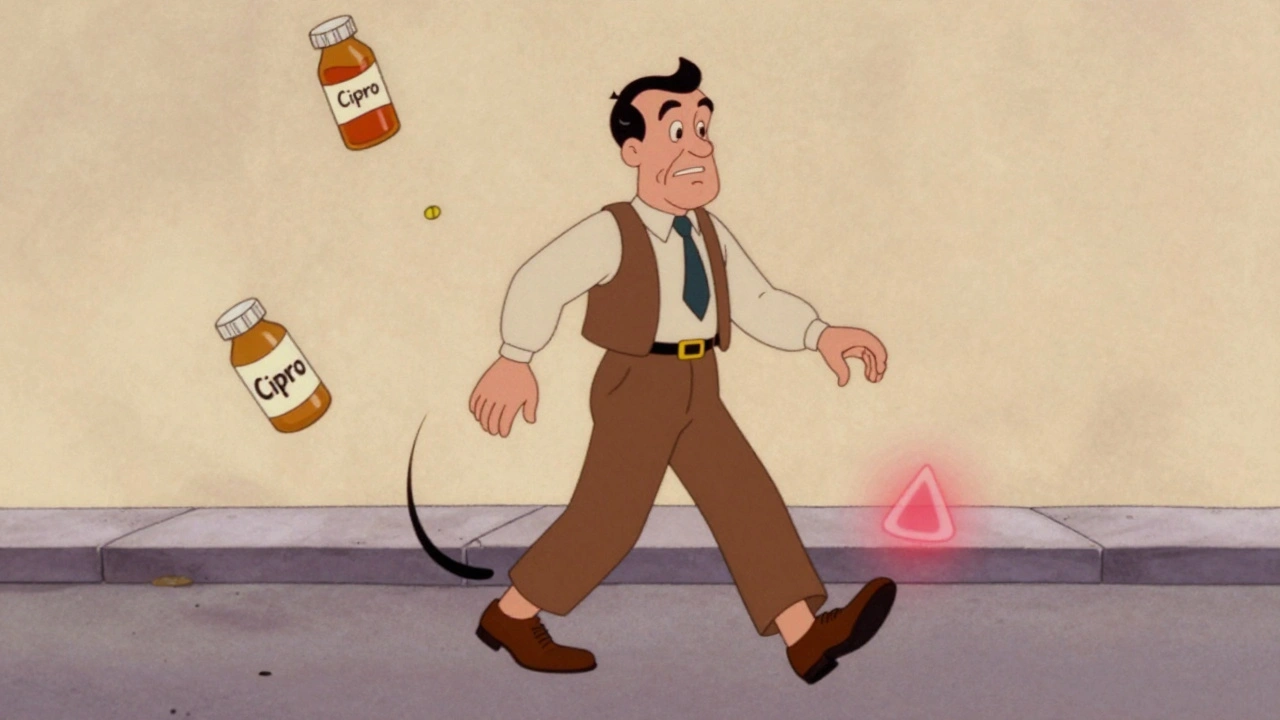
When you’re sick with a stubborn infection, antibiotics feel like a lifeline. But what if one of the most common ones could silently weaken your tendons-sometimes before you even finish the pill bottle? Fluoroquinolones, a class of antibiotics including ciprofloxacin, levofloxacin, and moxifloxacin, are prescribed millions of times a year for urinary infections, pneumonia, and other serious bacterial illnesses. Yet behind their effectiveness lies a dangerous, often overlooked risk: tendon rupture.
Why Fluoroquinolones Are Different
Unlike most antibiotics that target bacteria, fluoroquinolones interfere with human cells too. They were designed to block bacterial DNA replication, but they also accidentally disrupt human mitochondrial DNA and interfere with the repair systems in tendons. This isn’t a rare side effect-it’s a well-documented pattern. The U.S. FDA added a black-box warning in 2008, the strongest possible alert, because these drugs can cause tendon damage that’s disabling and sometimes permanent.It’s not just about pain. Tendon rupture means the tissue snaps. You might be walking normally, then suddenly feel a pop in your heel-and collapse. That’s the Achilles tendon, the most common site. Studies show it’s involved in nearly 90% of fluoroquinolone-related tendon injuries. And it’s not always one-sided: up to half of cases affect both tendons at once.
Who’s at Highest Risk?
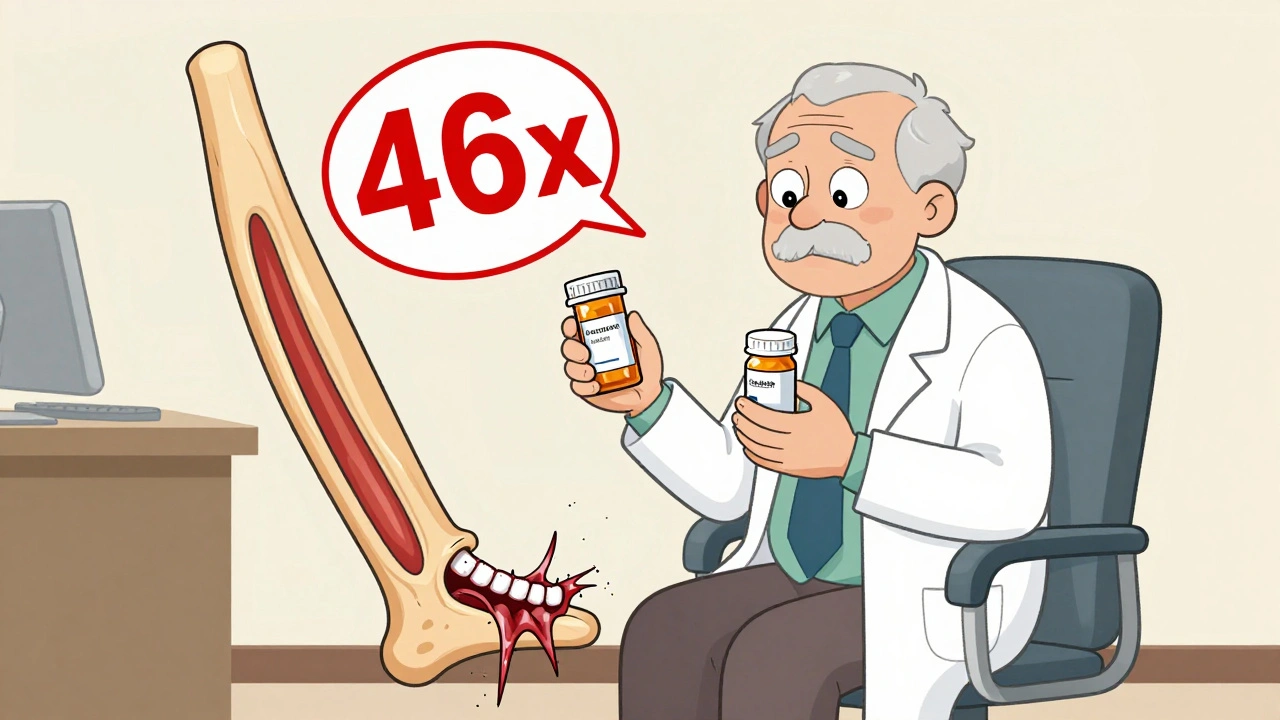
Not everyone who takes fluoroquinolones gets tendon damage. But certain people are far more vulnerable. Age is the biggest factor. If you’re over 60, your risk jumps. At 80 or older, the chance of rupture is more than 20 times higher than in younger adults. That’s not a small increase-it’s a red flag.Another major trigger? Steroids. Taking corticosteroids-whether as pills, inhalers, or joint injections-while on a fluoroquinolone raises your rupture risk by 46 times. That’s not a coincidence. Both drugs weaken tendon structure in different ways, and together, they’re a recipe for disaster. Many doctors still prescribe these together without realizing the danger.
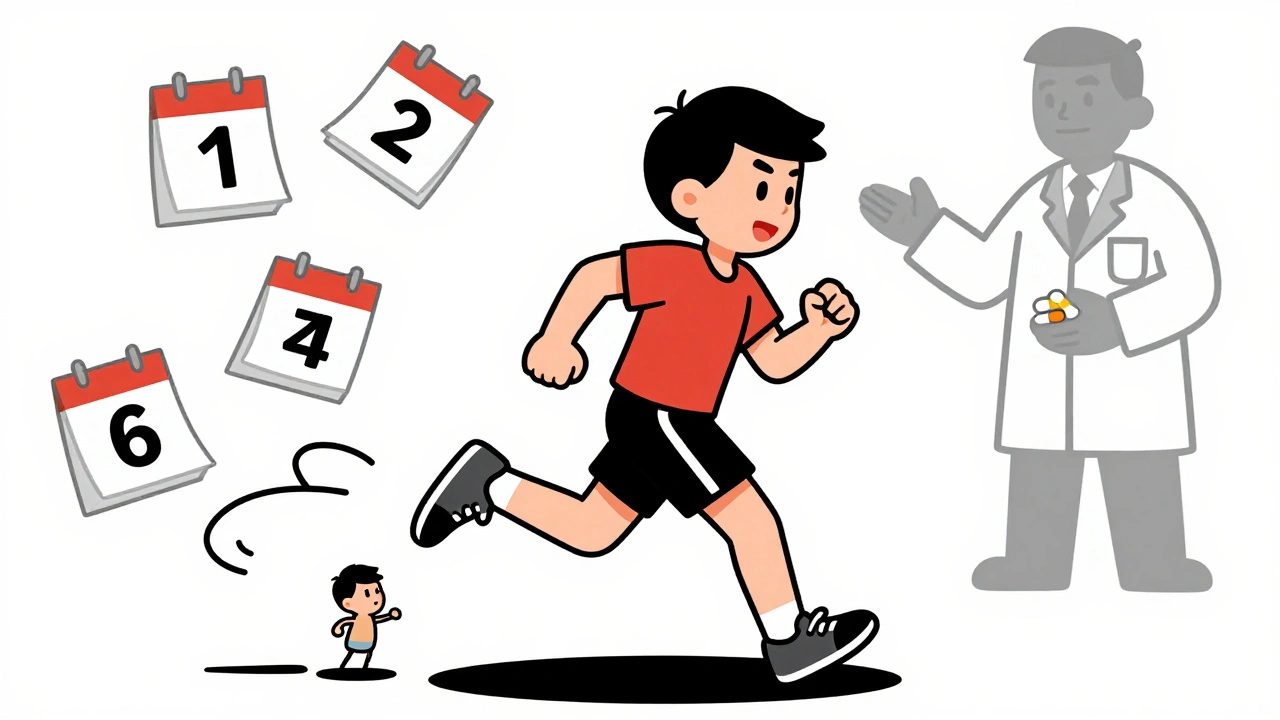
Other high-risk groups include people with kidney disease, diabetes, or a history of tendon problems. Organ transplant patients are also at increased risk, likely because they’re often on multiple medications that stress connective tissue. Even if you’re young and healthy, don’t assume you’re safe. One case study documented a 28-year-old runner who ruptured her Achilles tendon two days after starting ciprofloxacin for a sinus infection.
When Does It Happen?
There’s a myth that tendon damage only happens after you finish the antibiotic. That’s wrong. In fact, most cases start within the first week. Half of all ruptures occur within just seven days of starting the drug. One patient in a study reported tendon pain within two hours of taking the first pill. The median time to symptoms is six days.But here’s the tricky part: symptoms can also show up weeks or even months after you’ve stopped the medication. That means if you had a fluoroquinolone last month and now your heel hurts, it could still be related. Many patients and even some doctors miss the connection because they assume the drug is out of their system.
Which Fluoroquinolones Are Worst?
Not all fluoroquinolones carry the same risk. Based on global adverse event data from VigiBase, levofloxacin is linked to the most tendon injuries (50% of cases), followed by ciprofloxacin (38%). Moxifloxacin is less common but still dangerous. Nalidixic acid, the original fluoroquinolone from the 1960s, is rarely used today, but it was the first to raise alarms.Some studies suggest newer versions might be safer, but the evidence isn’t clear. A Japanese study in 2022 found no significant link between third-generation fluoroquinolones and rupture, but that study had limitations-it only looked at 504 patients and used a different method than most. The FDA, EMA, and UK’s MHRA all agree: the risk is real across the class.
What Are the Early Signs?
Tendon rupture doesn’t come out of nowhere. It usually starts with tendinitis-pain, swelling, stiffness in the tendon area. The Achilles tendon is the most common, but shoulders, hands, and wrists can be affected too. Pain may be mild at first, so people often ignore it or assume it’s from overuse.Dr. James Q. Del Rosso, a dermatology expert, notes that tendon pain often appears two weeks before rupture. If you’re on a fluoroquinolone and feel any new, unexplained tendon discomfort-especially in your heel, shoulder, or wrist-stop the drug immediately and see a doctor. Don’t wait for swelling or a popping sound. By then, it’s too late.
What Should You Do If You’re Prescribed One?
Fluoroquinolones aren’t banned. They’re still life-saving for serious infections like anthrax, complicated UTIs, or resistant pneumonia. But they should be a last resort, not a first choice. The Infectious Diseases Society of America now recommends them only after safer antibiotics have failed.Ask your doctor these questions:
- Is this infection serious enough to justify a fluoroquinolone?
- Have I tried other antibiotics first?
- Am I over 60, on steroids, or have kidney disease or diabetes?
- What are the signs of tendon damage I should watch for?
If you’re already taking one and feel pain in a tendon, stop the medication. Don’t wait for the prescription to end. Call your doctor right away. They’ll likely switch you to a safer antibiotic and may recommend rest, ice, and avoiding weight-bearing activities. In some cases, immobilization with a brace or boot is needed.
The Bigger Picture
About 25 million fluoroquinolone prescriptions are written each year in the U.S. alone. Many are for conditions that don’t need them-like simple sinus infections or bronchitis, which are often viral. Antibiotics don’t work on viruses, yet they’re still overprescribed. That means thousands of people are being exposed to this risk unnecessarily.Regulators in the U.S., Europe, and the UK have tightened guidelines. The UK’s MHRA now says fluoroquinolones should only be used when no other options exist. The FDA requires updated medication guides to be handed out to patients. But awareness is still low. Many patients don’t know the risks. Many doctors still prescribe them too freely.
Research is ongoing. Scientists are looking for genetic markers that might predict who’s most at risk. Others are trying to redesign these drugs to keep their antibacterial power without damaging tendons. But until then, the safest approach is simple: don’t take fluoroquinolones unless you absolutely have to.




Comments (9)