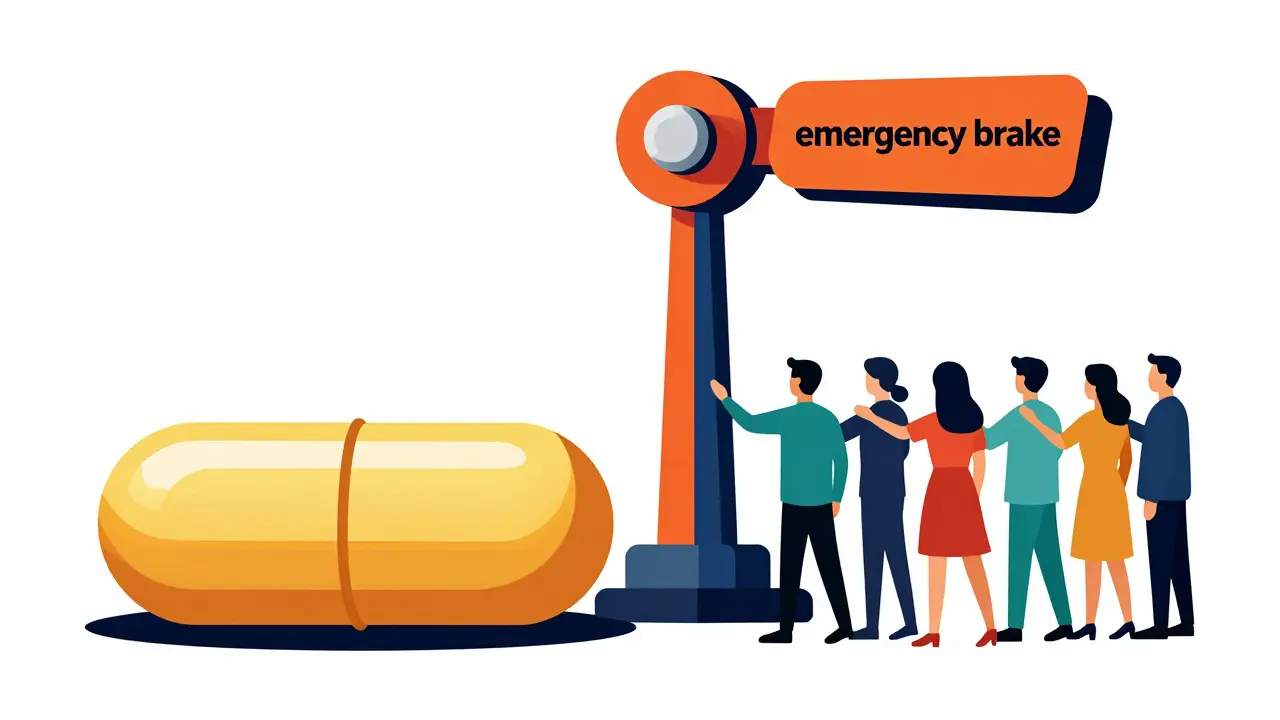
Imagine a company spends a decade and billions of dollars developing a life-saving drug, only to set a price that 90% of the world cannot afford. Now imagine a government deciding that the right to live outweighs that company's right to profit. That is the core tension of compulsory licensing. It is a legal "emergency brake" that allows a state to let someone else produce a patented invention without the owner's permission.
While it sounds like a radical move, it is actually a structured part of global trade law. It isn't about stealing ideas; it's about balancing the exclusive rights of an inventor with the urgent needs of a population. Whether it's a pandemic or a chronic health crisis, this tool ensures that patents don't become barriers to survival.
The Basics of Patent Overrides
At its simplest, Compulsory Licensing is a legal mechanism where a government authorizes a third party to produce a patented product or use a patented process without the consent of the patent owner . However, this isn't a free-for-all. To keep the system fair, the government must ensure the patent holder receives "adequate remuneration." In plain English: you can use the tech, but you still have to pay a fair royalty.
The modern rules for this are set by the TRIPS Agreement (Trade-Related Aspects of Intellectual Property Rights). Managed by the World Trade Organization, TRIPS Article 31 outlines the global standard. Generally, a country must first try to negotiate a voluntary license on reasonable commercial terms. If that fails, or if there is a "national emergency," the government can step in.
How Different Countries Handle It
Not every country uses this tool the same way. Some see it as a common regulatory step, while others treat it as a nuclear option. For instance, India has been very active in this space, issuing 22 compulsory licenses between 2005 and 2021, mostly for cancer medications to keep them affordable.
Contrast that with the United States, which is far more restrictive. The U.S. mostly uses specific legal pathways like 28 U.S.C. § 1498, which allows the federal government to use patents for government purposes, provided the owner is compensated via damages in court. There are also "march-in rights" under the Bayh-Dole Act, which let the government force licensing if a federally funded invention isn't being made available to the public. Interestingly, the NIH has never actually exercised a march-in right, despite receiving 12 petitions.
| Region/Country | Primary Trigger | Typical Use Case | Approach Style |
|---|---|---|---|
| India | Public health/Affordability | Cancer & HIV Drugs | Proactive/Frequent |
| USA | Government Use/National Interest | Federal Procurement | Restrictive/Rare |
| Brazil | Public Health Crisis | HIV/AIDS Medications | Targeted/Emergency |
| Germany | Public Interest | Rarely exercised | Legalistic/Passive |
The Real-World Impact on Pricing
When these licenses are issued, the price drop is usually dramatic. This happens because generic manufacturers enter the market, creating competition that kills the monopoly price. In Thailand, between 2006 and 2008, compulsory licensing for HIV and cardiovascular drugs led to price reductions of 65% to 90%. For example, the cost of some HIV medications dropped from $1,200 to just $230 annually.
Brazil saw similar results with HIV/AIDS medications. By using a compulsory license for efavirenz, the price per tablet plummeted from $1.55 to $0.48. This isn't just a win for budgets; it's a win for patient adherence. When drugs are affordable, people actually take them, which stops the spread of disease in the community.
The Push and Pull: Innovation vs. Access
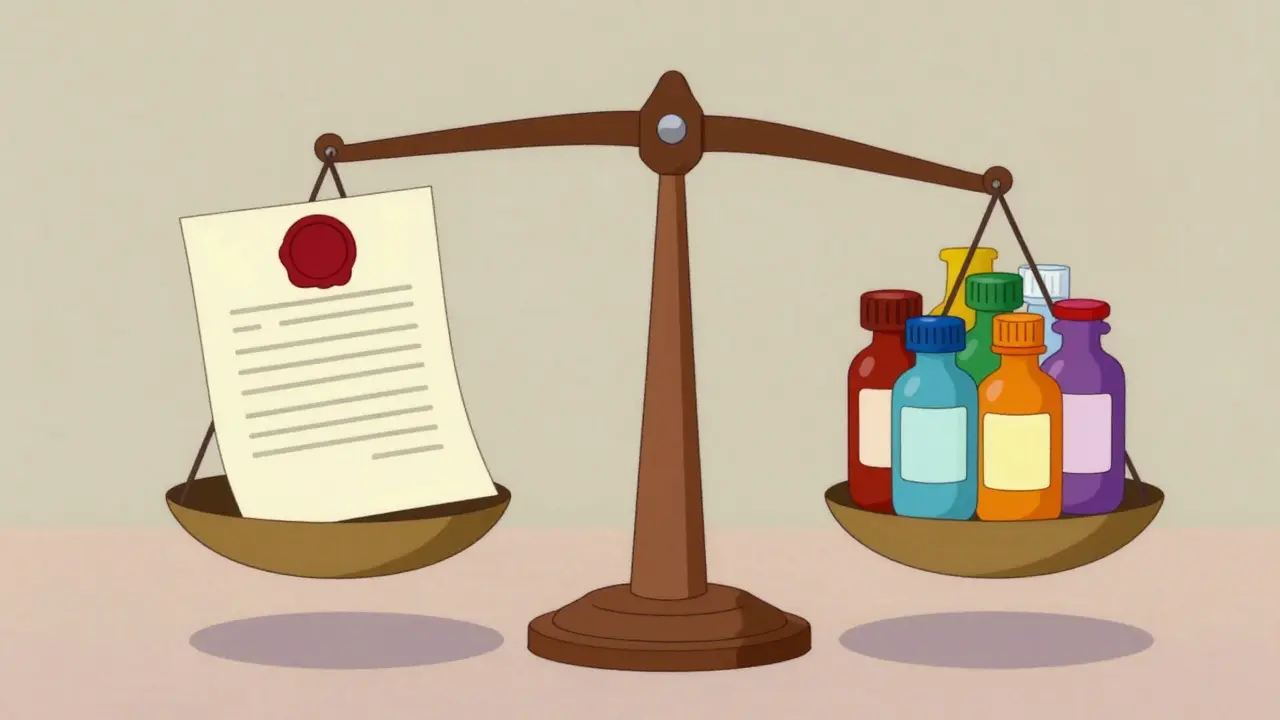
This isn't without controversy. The pharmaceutical industry argues that if governments can just "take" patents, companies will stop investing in R&D. Why spend billions on a new drug if a government can override your patent the moment the drug becomes successful? Some data supports this fear; a 2018 study in the Journal of Health Economics suggested a 15-20% dip in R&D investment in countries with very active compulsory licensing frameworks.
On the other side, advocates argue that the mere threat of a compulsory license is a powerful negotiation tool. Since 2000, the possibility of a government override has actually pushed companies to voluntarily lower prices for about 90% of HIV medications in developing nations. It forces a conversation about fair pricing before the legal hammer ever drops.
Practical Steps for Implementation
Getting a compulsory license isn't as simple as signing a decree. It's a complex legal mountain. In India, an applicant must prove they made reasonable efforts to get a voluntary license and that they have the actual capacity to manufacture the drug. This process usually takes 18 to 24 months through the Intellectual Property Appellate Board.
One of the biggest headaches is deciding on "reasonable compensation." There is no single global calculator for this. U.S. courts use the "Georgia-Pacific factors," a 15-point checklist to determine royalty rates. India, meanwhile, has used a simpler formula, such as 6% of net sales in some high-profile cases. Because of this complexity, about 78% of these applications require high-end patent litigation attorneys with years of specific experience.
Recent Shifts and Future Trends
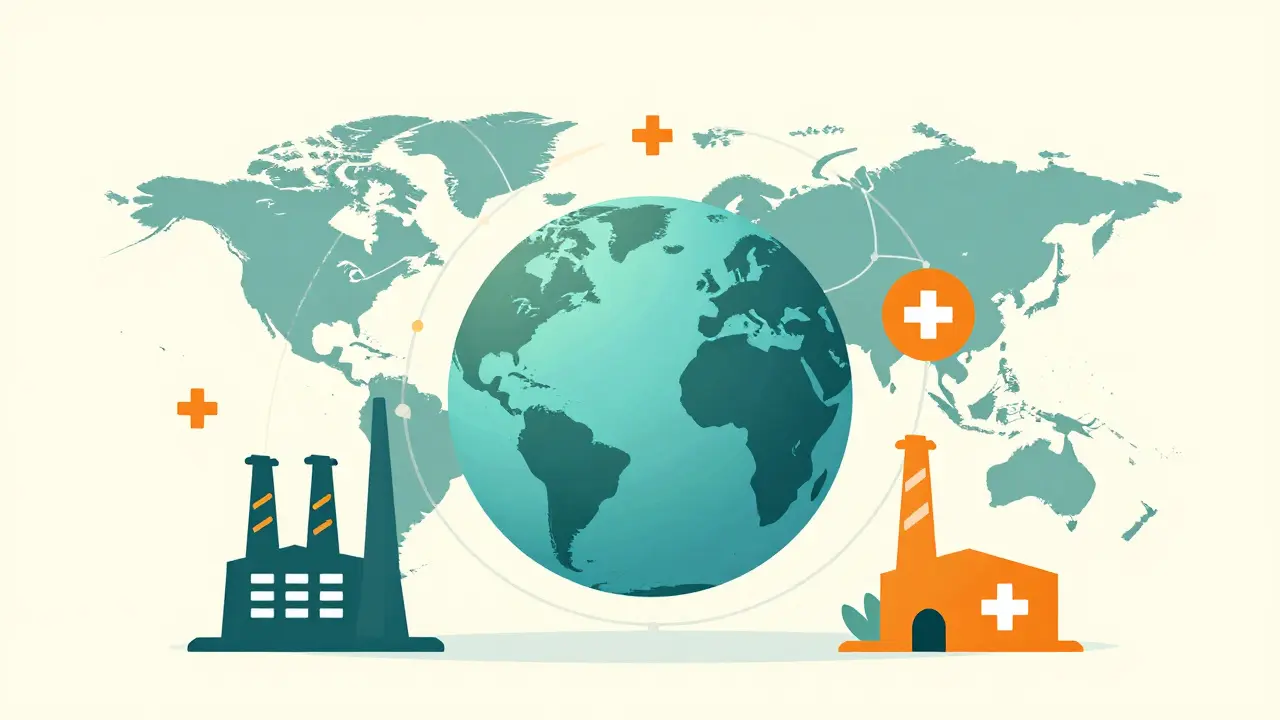
The COVID-19 pandemic changed everything. In June 2022, the WTO agreed to a temporary waiver for vaccine patents, allowing developing countries to produce vaccines without the patent holder's consent through 2027. While the rollout has been slow, it signaled a shift toward prioritizing global health over strict IP enforcement during crises.
Looking ahead, we're seeing a move toward "automatic licensing." The WHO is currently negotiating a Pandemic Treaty that could require automatic licenses for essential health products during a declared Public Health Emergency of International Concern. We're also seeing these tools move beyond medicine, with potential use in climate change adaptation technologies to help the world fight global warming faster.
Does a compulsory license mean the patent is cancelled?
No. The patent remains valid. The owner still holds the patent, but the government grants a specific permission for others to use it. The patent owner is still entitled to a royalty payment for every unit produced under the license.
Can any company apply for a compulsory license?
Generally, yes, if they can prove they have the technical and manufacturing capacity to actually produce the invention. Governments usually prefer experienced generic manufacturers who can scale production quickly.
What happens if the patent owner sues?
Patent owners often challenge these licenses in court. For example, Bayer fought an Indian compulsory license for Nexavar for eight years. While they can sue, the court usually focuses on whether the government followed the correct legal procedure and if the compensation is fair.
Is this legal under international law?
Yes. The TRIPS Agreement, which is a treaty of the World Trade Organization, explicitly allows for compulsory licensing under Article 31, provided certain conditions regarding remuneration and domestic market supply are met.
When can a government skip the negotiation phase?
Under TRIPS rules, the requirement to first negotiate a voluntary license is waived in cases of "extreme urgency," such as a sudden pandemic or a national emergency, or for the purpose of public non-commercial use.
Next Steps and Pitfalls
If you're a policymaker or a generic manufacturer looking into this, be aware of the "Priority Watch List." The U.S. government often uses its Special 301 Report to flag countries that use compulsory licensing too aggressively, which can lead to trade tensions. The safest path is to ensure total transparency in your pricing mechanisms and to document every attempt to reach a voluntary agreement first.
For those in low-income countries, the biggest hurdle isn't the law, but the tech. About 60% of these nations lack the actual facilities to manufacture complex drugs, even if they have the legal right to do so. The next big step for these regions is utilizing the "export clause," which allows them to import medicines produced under compulsory license from countries that do have the factories.