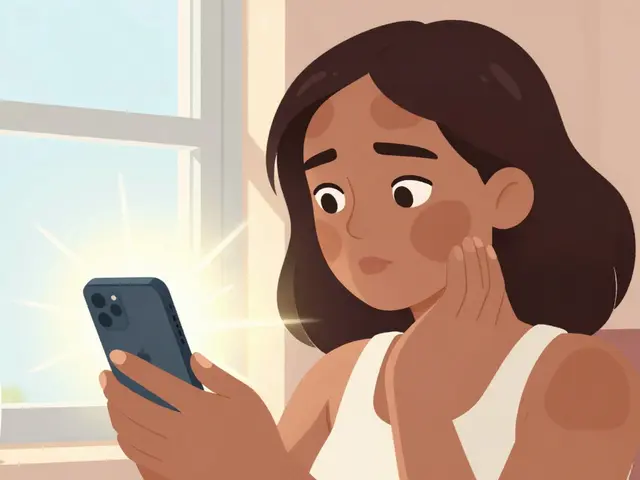
Most people keep their medications in the bathroom. It’s convenient - right next to the sink, easy to reach after brushing your teeth. But here’s the truth: storing medications in the bathroom is one of the most common and dangerous mistakes people make with their prescriptions.
It’s not just about old pills sitting on the counter. It’s about your blood pressure medicine losing strength. Your insulin going bad. Your birth control pills becoming less effective. Your antibiotics failing to fight an infection. And all of it happens silently, without warning.
The Bathroom Is a Chemical Hazard Zone
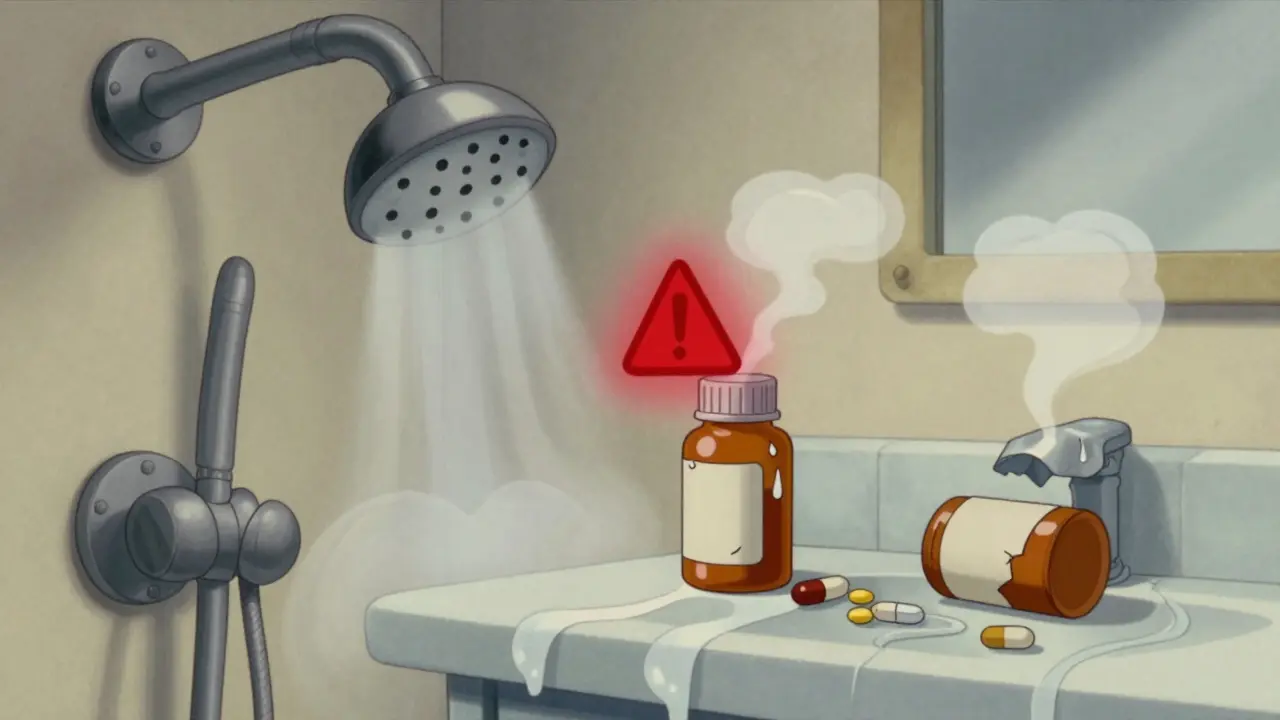
The bathroom isn’t just humid - it’s a storm of environmental chaos. Every time you take a hot shower, the temperature spikes. Steam fills the air. Humidity hits 80% to 100%. That’s not just uncomfortable - it’s destructive to pills, liquids, and patches.
Medications are chemical compounds. They’re designed to stay stable under specific conditions. Most need to be kept between 59°F and 77°F (15°C-25°C). Bathrooms rarely stay in that range. A quick shower can push the air temperature up 20-30°F. That’s enough to break down the active ingredients in many drugs.
Moisture causes hydrolysis - a chemical reaction where water breaks apart molecules. Tablets swell, crack, or dissolve. Capsules turn sticky or brittle. Liquid medications change consistency. Insulin, a protein-based drug, starts to clump and lose potency above 86°F. Nitroglycerin, used for heart attacks, can become useless in just a few weeks if stored in a steamy cabinet.
What Happens When Medications Degraded?
You might think, “It’s just a little old - it’ll still work.” But that’s not how it works.
A study in Circulation found that 30.2% of patients who stored beta-blockers (common blood pressure meds) in bathrooms had inconsistent control of their blood pressure. That’s not a small risk - it’s a life-threatening one. High blood pressure doesn’t announce itself. It just quietly increases your chance of stroke or heart attack.
Blood glucose test strips - not medications, but just as sensitive - give wrong readings 68% of the time when exposed to bathroom humidity. If your meter tells you your sugar is fine when it’s actually dangerously high, you could miss a medical emergency.
Birth control pills? The FDA’s own stability tests show that humidity can reduce their effectiveness by up to 35%. That’s not theoretical. Women have gotten pregnant after using pills stored in the bathroom.
Antibiotics degrade too. If they lose potency, they won’t kill the infection. Instead, they expose bacteria to low doses of the drug - which helps them evolve into resistant strains. The World Health Organization calls antibiotic resistance one of the top global health threats. Improper storage contributes to that crisis.
Children, Pets, and Theft Are Real Risks
It’s not just about the pills going bad. It’s about who can reach them.
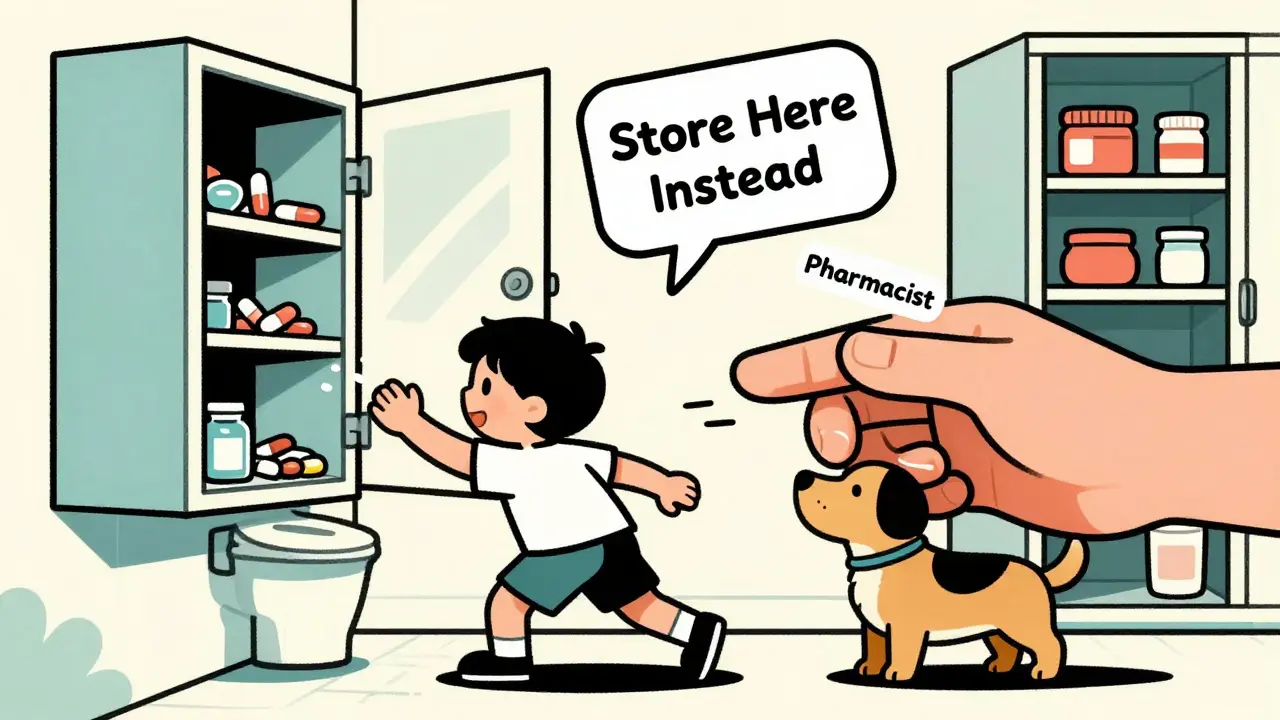
The CDC says 70% of misused prescription opioids come from home medicine cabinets. Most of those are in bathrooms - unlocked, easy to grab. Teens know where to look. Visitors do too. A child might find a bottle of painkillers and think it’s candy. A pet might knock over a bottle of antidepressants.
A 2022 NIH study of 220 U.S. households found that 80% kept medications in easily accessible spots. Of those, 63% had children in the home, and 57% had pets. The American Academy of Pediatrics says all medications should be locked up and out of reach. A bathroom cabinet? That’s not locked. That’s an open invitation.
And it’s not just opioids. Antidepressants, ADHD meds, and even sleep aids are commonly abused. Storing them in the bathroom makes them easy targets.
Where Should You Store Medications Instead?
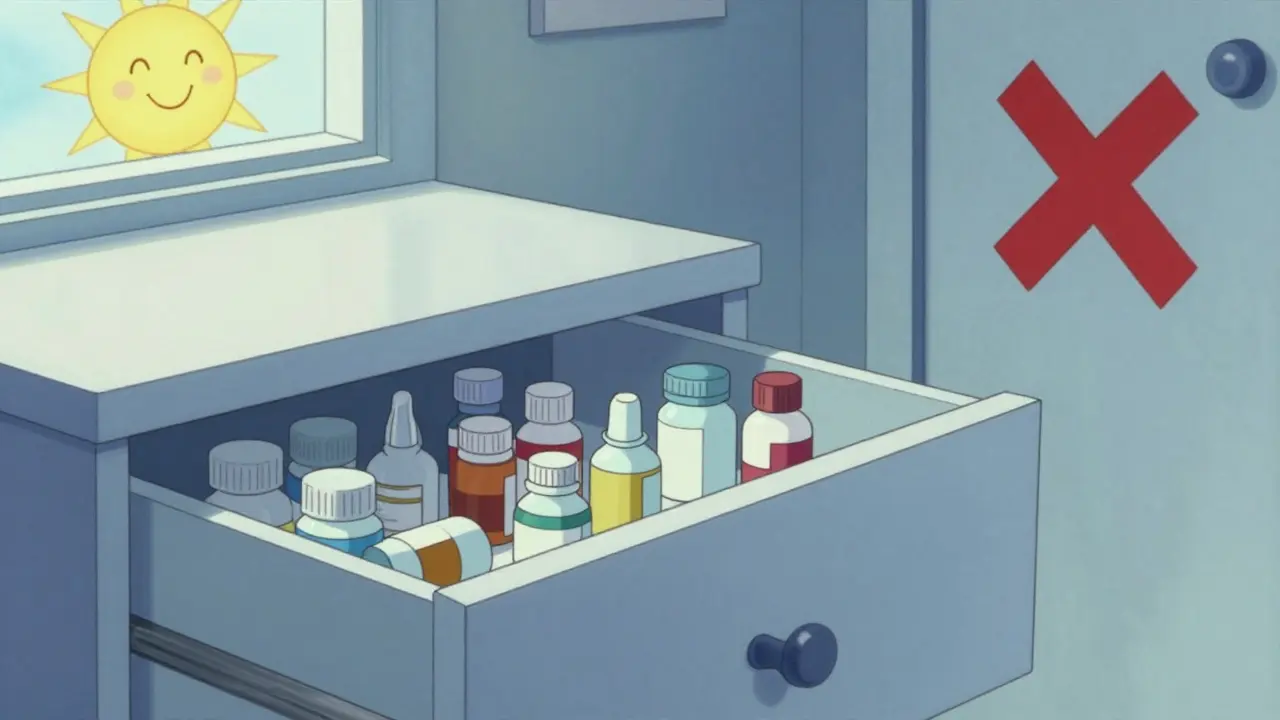
The best place? A cool, dry spot - away from windows, heat vents, and moisture.
Think: a bedroom dresser drawer, a closet shelf, or a high cabinet in the hallway. Avoid the kitchen too - near the stove or dishwasher, it gets hot and humid. The car? Never. Summer temperatures inside a parked car can hit 140°F.
Keep medications in their original bottles. That’s not just for looks - it’s for safety. The labels have expiration dates, dosage info, and storage instructions. If you need to transfer pills to a pill organizer, keep the original bottle in your chosen storage spot.
For meds that need refrigeration - like insulin, some antibiotics, or eye drops - use a dedicated fridge compartment, not the door. The door opens and closes constantly, causing temperature swings. A pharmaceutical-grade fridge is ideal, but even a regular fridge’s back shelf works better than a bathroom cabinet.
How to Know If Your Medication Is Bad
Not all degradation is obvious. But some signs are hard to ignore:
- Pills that are discolored, cracked, or sticky
- Liquids that are cloudy or have particles
- Patches that don’t stick well or feel wet
- Odors that weren’t there before
- Expiration dates that have passed
If you see any of these, don’t take it. Even if it looks “fine,” the potency could be gone. Talk to your pharmacist. They can test or replace it.
Some newer bottles now come with temperature-sensitive labels. If the strip turns red or changes color, the drug may have been exposed to unsafe heat. Desiccant packets (those little dryers you find in pill bottles) are now in 58% of prescriptions - keep them in the bottle until you’re done with the medication. They help absorb moisture.
What to Do With Old or Expired Medications
Don’t flush them. Don’t toss them in the trash. Don’t pour them down the sink.
Flushing contaminates water supplies. Throwing them in the trash risks pets, kids, or scavengers finding them. The EPA estimates 46% of medications found in rivers and lakes come from improper disposal.
Use a drug take-back program. Many pharmacies, hospitals, and police stations offer free drop-off bins. The DEA runs National Prescription Drug Take Back Days twice a year. Check their website for locations near you.
If no take-back option exists, mix pills with something unappealing - coffee grounds, kitty litter, dirt - seal them in a container, and throw them in the trash. Remove or black out personal info on the bottle first.
It’s Not Just You - It’s a Systemic Problem
Here’s the kicker: 68% of Americans still store meds in the bathroom, even though 89% know it’s not safe. That’s a massive gap between knowing and doing.
Why? Because it’s tradition. Medicine cabinets were installed in bathrooms in the 1920s. We never updated the habit. Pharmacies didn’t push back hard enough. Manufacturers didn’t design better packaging until recently.
Now, things are changing. The FDA updated its guidance in 2023 to explicitly warn against bathroom storage. Pharmaceutical companies now include clearer storage instructions on 73% of bottles - up from 41% in 2015. The American Pharmacists Association launched its “Store It Safe” campaign in 2022 and handed out over 1.2 million brochures.
Apps that remind you to check your meds’ storage conditions are now helping 47% more people keep their drugs properly stored, according to a 2023 study in the Journal of the American Pharmacists Association.
One Simple Change Can Save Your Life
You don’t need to overhaul your life. Just move your meds.
Next time you refill a prescription, don’t put it back in the bathroom. Put it in a drawer in your bedroom. Or a high shelf in your closet. Keep it away from heat, moisture, and curious hands.
Check your pills every few months. Look for changes. Ask your pharmacist if you’re unsure. And if you’re cleaning out your medicine cabinet, dispose of old meds properly - don’t just shove them to the back.
Medications are not decorations. They’re life-saving tools. Treat them like it.