

The FDA doesn’t call ahead. Not anymore. Not for foreign factories making your pills, vitamins, or baby formula. Starting in May 2025, the U.S. Food and Drug Administration began conducting unannounced inspections at all manufacturing sites worldwide - including those in China, India, Germany, and beyond - that supply products to American consumers. This isn’t a drill. It’s a permanent shift in how the FDA protects public health.
Why Surprise Visits Exist
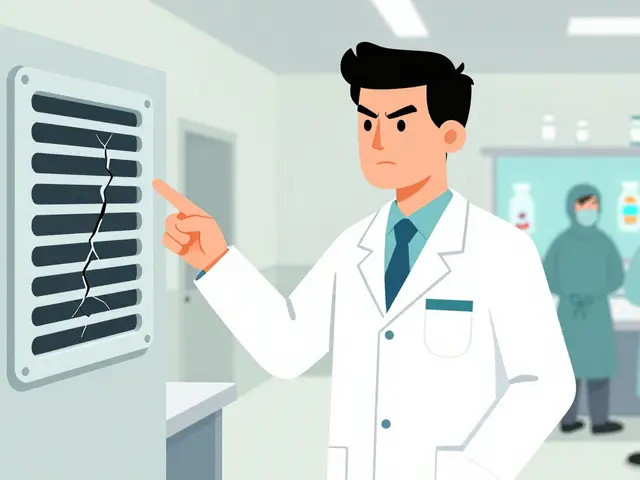
Imagine you’re running a factory that makes heart medication. You know an inspector is coming next week. You clean up. You fix the broken temperature monitor. You print new records. You tell your staff what to say. That’s what happened for decades - until the FDA realized it was being fooled. Unannounced inspections exist to catch things that can’t be faked. A dirty floor. A missing signature on a batch log. A temperature spike in a sterile room that was never reported. These aren’t mistakes. They’re signs of a broken system. And if you’re lucky, they’re caught before the product reaches a patient’s medicine cabinet. The FDA found something alarming: when foreign facilities got advance notice, inspectors still found serious problems more than twice as often as during domestic inspections. That’s not a coincidence. It’s a pattern. Companies were preparing for inspections, not for safety.What Changes in 2025?
Before May 2025, the FDA treated domestic and foreign manufacturers differently. In the U.S., inspections were usually surprise visits. In other countries? Companies often got weeks of notice. That gave them time to hire translators, clean up, and even temporarily hire extra staff to pass the audit. The FDA called it a “double standard.” And they ended it. Now, every facility - whether it’s in Ohio or Osaka - gets the same treatment: no call, no warning. The inspectors just show up. And they’re not coming alone. They bring Form FDA 482, which legally requires the facility to allow access. Refuse? The FDA can block your products from entering the U.S. - permanently. This change wasn’t random. It followed a pilot program in India and China that proved unannounced visits exposed more violations. It also aligned with a May 5, 2025, executive order from President Donald Trump directing the FDA to strengthen oversight of foreign drug makers. The message was clear: if you want to sell to Americans, you play by American rules - no exceptions.What Happens During an Inspection?
When the FDA walks in, they don’t ask for coffee. They ask for the most responsible person on site - even if it’s the night shift supervisor. They show ID. They hand over Form FDA 482. And then they start looking. They don’t just check paperwork. They walk through the facility. They watch how operators handle sterile components. They open computers to review electronic records. They pull random batch logs and trace them back to raw materials. They check calibration records for equipment. They ask questions like: “Who approved this change?” or “What happened when the alarm went off last Tuesday?” The inspection can last hours or days. It depends on the size of the facility, the complexity of the process, and what they find. A clean room making injectable drugs gets more scrutiny than a warehouse storing over-the-counter pills. But every facility, no matter how small, is subject to the same standard: prove you’re compliant every day - not just on inspection day.
Why This Matters for Manufacturers
If you make medical products for the U.S. market, this isn’t about compliance. It’s about survival. The FDA doesn’t just shut down bad actors. They track patterns. One Form 483 observation? Maybe a training issue. Three in a year? You’re on a watchlist. Five? Your products get detained at the border. And if they find falsified records - like backdating logs or deleting data - you could face criminal charges. Companies that survived these inspections didn’t panic. They prepared. They built systems that work even when no one’s watching. That means:- Quality Management Systems (QMS) that are always up to date - not just when an inspector shows up
- Employees trained to handle unexpected visits without coaching
- Regular mock inspections with no warning
- Document control systems that can’t be easily altered
- Real-time monitoring of critical processes - temperature, humidity, sterilization cycles
The Hidden Challenge: Language and Culture
Before 2025, foreign facilities had time to arrange translators. Now? The FDA sends inspectors who may not speak Mandarin, Hindi, or Spanish. And they expect answers - right then. This created a new problem. Some facilities tried to delay inspections by saying, “We need a translator.” The FDA responded: “We’ll wait. But we’re not leaving.” Now, companies are hiring bilingual staff permanently. They’re using real-time translation apps during inspections. They’re training frontline workers to answer basic questions in English: “What’s your SOP for cleaning?” “Who signed off on this batch?” It’s not about perfection. It’s about honesty. If you can’t explain your process clearly, the FDA assumes you don’t understand it - and that’s dangerous.Who’s Affected?
This policy hits hard. The FDA inspects about 3,000 foreign facilities every year across more than 90 countries. That includes:- Active Pharmaceutical Ingredient (API) manufacturers - 80% of these come from overseas
- Medical device makers - especially Class II and III devices like pacemakers or insulin pumps
- Food producers - baby formula, supplements, and dietary ingredients
- Contract manufacturers - third-party labs that package or label products for big brands

What Happens After the Inspection?
The inspection doesn’t end when the inspectors leave. The FDA writes a report - Form FDA 483 - listing any observations. It’s not a fine. It’s a warning. But it’s public. And it’s tracked. If you get a Form 483, you have 15 days to respond with a corrective plan. If you ignore it? The FDA can issue a warning letter. If you repeat the same mistake? Your products get seized. Your facility gets banned. Even if they find nothing - a “No Action Indicated” result - it still matters. The FDA uses those reports to build risk profiles. A facility with three clean inspections in a row? Lower risk. One with five violations over two years? High risk. And high-risk facilities get inspected more often.What’s Next?
The FDA says this is just the beginning. They plan to increase the frequency of unannounced inspections at foreign sites. They’re also exploring ways to share inspection data with other global regulators - like the European Medicines Agency or Health Canada - to avoid duplication and improve global standards. But big questions remain. Will the FDA still notify foreign governments before inspections? Historically, they did - to maintain diplomatic relations. But now? That’s unclear. Some legal experts warn this could strain international cooperation. Others say it’s necessary. The FDA hasn’t said. What’s certain? The era of “preparation time” is over. If you’re making anything that ends up in an American’s body or mouth, you’re expected to be ready - every day.How to Prepare
You can’t outsource compliance. You can’t fake culture. And you can’t wait for the FDA to give you a heads-up. Here’s what works:- Run monthly surprise internal audits - with no warning to your team
- Use digital QMS software that locks records and tracks changes automatically
- Train every employee - not just QA - on what to do when an inspector walks in
- Keep all records accessible, accurate, and real-time - no backdating
- Document every deviation, even small ones, and fix them before they become problems
Are FDA inspections always unannounced?
Most are. The FDA’s official guidance says inspections are generally unannounced. The only exceptions are for specific programs where advance notice is needed - like when translators or specialized personnel are required. But even then, those are rare. For quality system inspections - especially for medical devices - unannounced visits are the rule, not the exception.
Can a facility refuse an FDA inspection?
No. Refusing access is a violation of the Federal Food, Drug, and Cosmetic Act. If a facility denies entry, the FDA can legally block all products from that site from entering the U.S. They can also pursue civil or criminal penalties. In practice, refusal almost always leads to a product import ban - which can destroy a company’s business overnight.
What happens if an FDA inspector finds a problem?
They issue a Form FDA 483 listing observations. This isn’t a fine - it’s a notice of potential violations. The facility has 15 days to respond with a corrective action plan. If the FDA finds the response inadequate, or if the same issue repeats, they may issue a warning letter. Repeated failures can lead to product seizures, import alerts, or even criminal charges for falsifying records.
Do unannounced inspections only target pharmaceutical companies?
No. They apply to any facility making products regulated by the FDA - including medical devices, dietary supplements, baby formula, and food ingredients. Any company producing something that enters the U.S. supply chain is subject to these inspections. In fact, 80% of active pharmaceutical ingredients and 40% of finished drugs in the U.S. come from overseas, making global manufacturing a major focus.
How often do FDA inspectors visit foreign facilities?
Before May 2025, foreign facilities were typically inspected every 2-5 years, often with advance notice. Now, the FDA plans to increase the frequency of unannounced visits. High-risk facilities - those with past violations or complex processes - may be inspected annually. Low-risk sites might get visited every 3-4 years, but without warning. The goal is to make inspections unpredictable and consistent across all countries.




Comments (12)