When Not to Use Antibiotics: Know the Risks and Alternatives
Antibiotics, drugs designed to kill or slow the growth of bacteria. Also known as antibacterial agents, they save lives when used correctly—but they can cause serious harm when used unnecessarily. Every time you take an antibiotic for a cold, flu, or sore throat that’s caused by a virus, you’re not helping yourself—you’re feeding a growing public health crisis.
Antibiotics target bacteria, not viruses. That means they do nothing for the common cold, most sore throats, bronchitis, or the flu. Yet, many people still expect them. Doctors often face pressure to prescribe, and patients feel better when they get a pill—even if it’s the wrong kind. But here’s the truth: taking antibiotics when you don’t need them doesn’t speed up recovery. It just increases your risk of side effects like diarrhea, yeast infections, and dangerous allergic reactions. Worse, it helps create antibiotic resistance, when bacteria evolve to survive drug treatment. These superbugs don’t care if you’re young or old—they just need one wrong prescription to spread.
There’s more. Antibiotics can interfere with other medications you’re taking. For example, if you’re on blood thinners or birth control, certain antibiotics can make them less effective or increase side effects. And if you’ve ever had a bad reaction to one antibiotic, you might be more likely to react badly to others. That’s why knowing your history matters. It’s not just about avoiding the wrong drug—it’s about protecting your body’s balance. Your gut microbiome, which helps digest food and supports your immune system, gets wiped out by broad-spectrum antibiotics. Recovery can take months, and in some cases, it never fully returns.
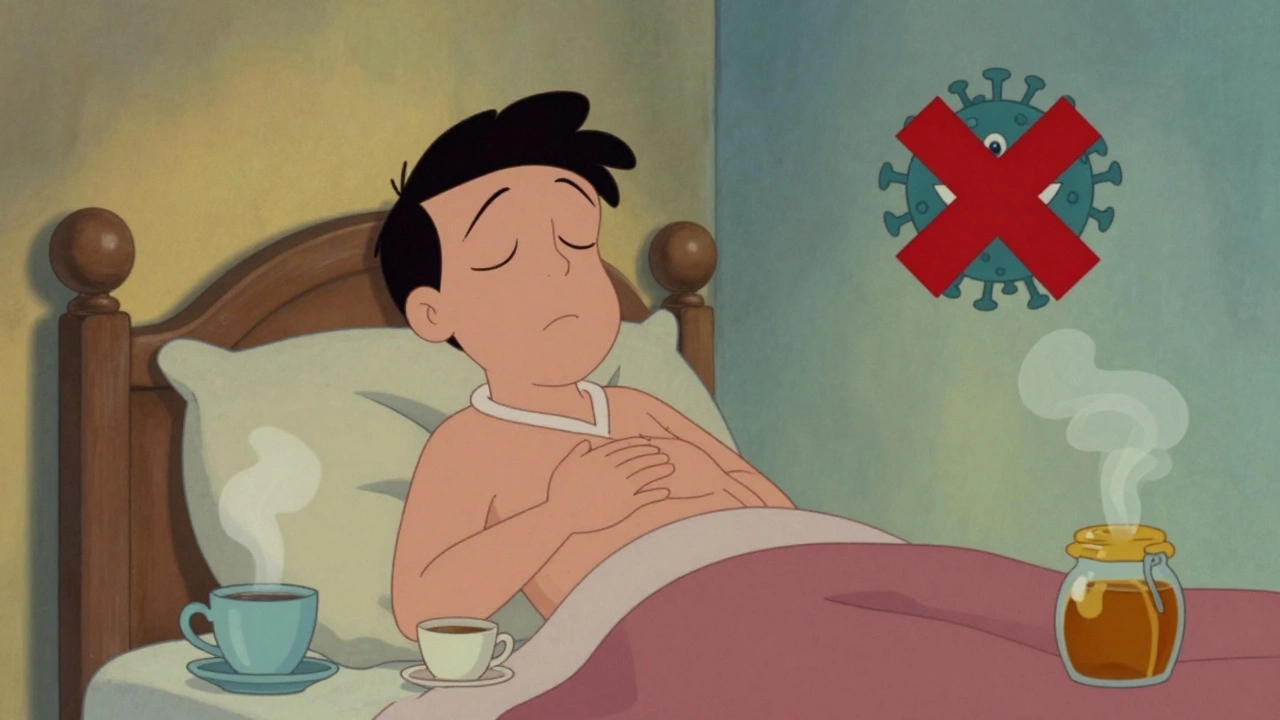
So what should you do instead? Rest, hydrate, and use over-the-counter remedies for symptom relief. If symptoms last more than a week, get worse, or include high fever, rash, or trouble breathing, see a doctor. They’ll test for bacterial infections—like strep throat or pneumonia—before prescribing anything. In some cases, watchful waiting is the best treatment. Studies show that many sinus infections and ear infections clear up on their own without antibiotics.
You’re not alone in this. Millions of people take antibiotics unnecessarily every year. But change starts with awareness. The next time someone asks for an antibiotic for a cold, you’ll know the real story. And when you do need antibiotics, you’ll be ready to use them correctly—finishing the full course, never sharing them, and never saving leftovers for next time.
Below, you’ll find real-world guides on how to spot when antibiotics are truly needed, how to handle side effects, what to do if you’ve had a bad reaction, and how drug interactions can make things worse. These aren’t theoretical tips—they’re based on patient experiences, FDA alerts, and clinical guidelines that actually help.