
What Exactly Is Acute Bronchitis?
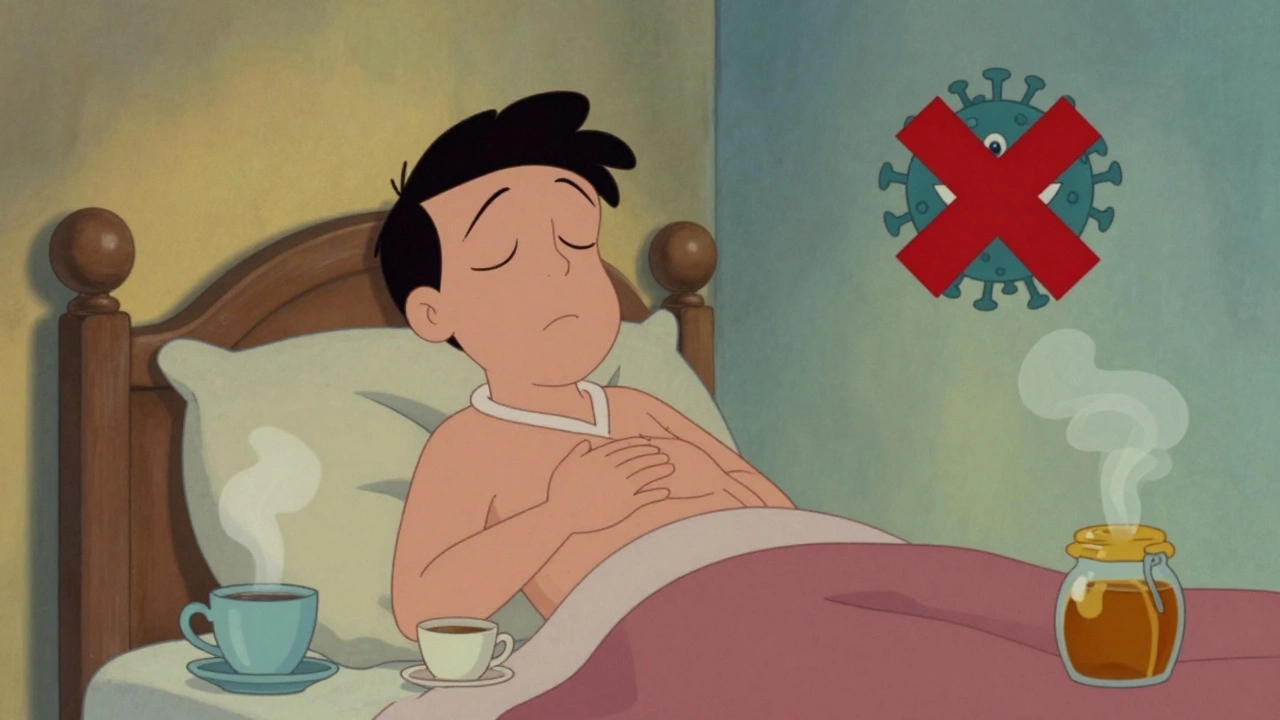
You wake up with a sore throat, then a scratchy chest, and soon you’re coughing nonstop. It’s not pneumonia. Your fever is gone. You don’t feel like you’re dying-but you can’t sleep, work, or even talk without coughing. That’s acute bronchitis. It’s not a cold that turned bad. It’s not a bacterial infection waiting for antibiotics. It’s your bronchial tubes, the airways leading to your lungs, getting irritated-usually by a virus. And it’s incredibly common. In the U.S., about 5% of adults get it every year. That’s millions of people. In Australia, where I live in Melbourne, it peaks in winter. You see it in workplaces, schools, public transport. It’s the cough that lingers.
Doctors diagnose it simply: you have a cough lasting less than three weeks, no signs of pneumonia (like high fever, fast breathing, or abnormal lung sounds), and no other clear cause. The cough might start dry, then turn wet with mucus. That’s normal. Your body is clearing the mess. Most people think they need antibiotics. They don’t. Not even close.
Why Antibiotics Won’t Fix Your Cough
Here’s the hard truth: 90 to 95% of acute bronchitis cases are caused by viruses-rhinovirus, coronavirus, flu, RSV. Antibiotics kill bacteria. They do nothing to viruses. Giving them for a viral cough is like using a hammer to fix a leaky faucet. It doesn’t work, and it makes things worse.
Studies show antibiotics reduce cough duration by just 0.6 days. That’s less than half a day. For most people, that’s not worth the risk. Antibiotics cause side effects in about 1 out of every 14 people: nausea, diarrhea, rashes, yeast infections. And every time you take one unnecessarily, you’re helping create superbugs. The CDC says 46 million unnecessary antibiotic prescriptions are written every year in the U.S. alone-for things like bronchitis. That’s a huge part of why antibiotic resistance is now a global health emergency.
Despite all this, in 2022, over half of people with acute bronchitis still got antibiotics. In some parts of the U.S. South, it’s as high as 78%. Why? Because patients expect them. Doctors feel pressured. But the evidence is crystal clear: antibiotics don’t help in uncomplicated cases. The American Academy of Family Physicians, the American College of Chest Physicians, the CDC, and the Mayo Clinic all agree. If you don’t have pneumonia, you don’t need antibiotics.
What Actually Helps with the Cough?
If antibiotics won’t help, what will? The answer is time-and smart symptom care. Acute bronchitis runs its course. Most people feel better in 7 to 10 days, but the cough? That can hang on. Half of people still cough at 10 days. A quarter still cough at two weeks. Eleven percent are coughing at three weeks. That’s not weakness. That’s how the body heals.
Here’s what actually works:
- Hydration: Drink plenty of water. At least 8 to 10 glasses a day. Fluids thin the mucus, so your cough is more productive and less irritating. Herbal teas, broths, even sparkling water count.
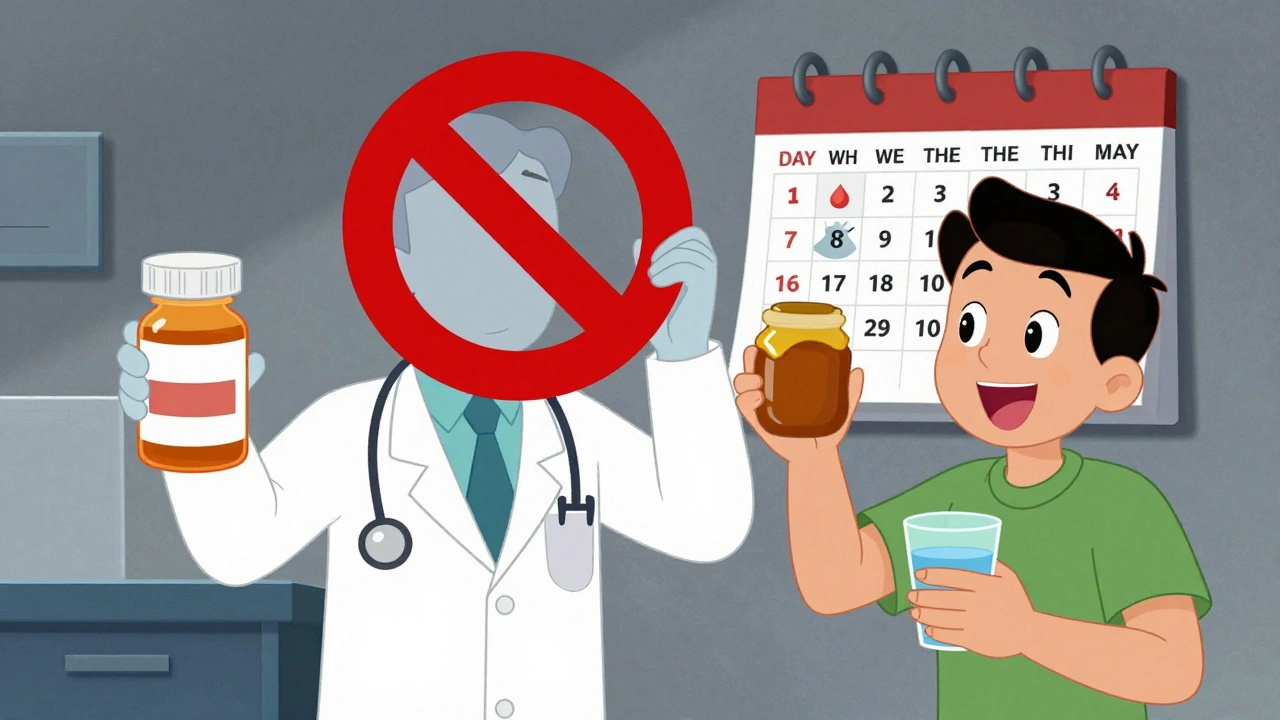
- Honey: For adults and kids over 1 year old, honey is one of the best cough soothers. A 2018 study in JAMA Pediatrics found honey worked as well as dextromethorphan (a common cough suppressant) and better than no treatment. Try 1 to 2 teaspoons before bed. It’s natural, cheap, and safe-except for babies under 12 months. Never give honey to infants. It can cause botulism.
- Dextromethorphan: If you need to quiet the cough at night, over-the-counter dextromethorphan (like Robitussin DM) can help. The standard dose is 15 to 30 mg every 6 to 8 hours, max 120 mg per day. Don’t use it if you’re on antidepressants or have liver disease. And don’t expect miracles-it only reduces cough frequency by a small amount.
- Humidifiers and steam: Dry air makes coughing worse. Use a cool-mist humidifier in your bedroom. Or sit in a steamy bathroom for 10 minutes. Breathe in slowly. It loosens mucus and soothes irritated airways. Just don’t burn yourself.
- Pain relievers: If you have body aches or a low-grade fever, take ibuprofen or acetaminophen. Stick to the label. Don’t exceed 3,000 mg of acetaminophen a day. Liver damage is real.
What Doesn’t Work (And Might Hurt)
There’s a lot of noise out there. Don’t fall for it.
- Antibiotics: Already covered. No benefit. High risk.
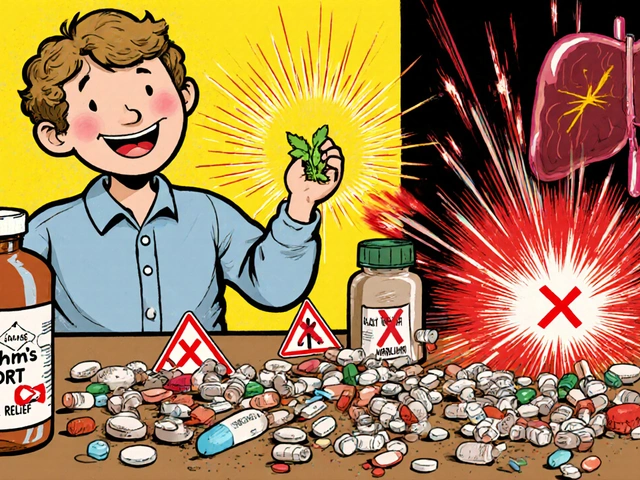
- Codeine or hydrocodone cough syrups: The FDA banned these for kids under 12 because of breathing risks. Even for adults, they’re overkill and addictive. Avoid them.
- Over-the-counter cold medicines for kids under 4: The FDA warns against them. They don’t work and can be dangerous.
- Guaifenesin (Mucinex): It’s supposed to thin mucus. But studies are mixed. Only 2 out of 7 trials showed real benefit. It’s not harmful, but don’t expect a miracle.
- Inhalers (like albuterol) if you’re not wheezing: If you don’t have asthma or wheezing, these won’t help your cough. They might even make you jittery or give you a fast heartbeat.
When to See a Doctor
Most cases of acute bronchitis get better on their own. But you should call your doctor if:
- Your cough lasts longer than 3 weeks
- You have a fever above 38°C (100.4°F) that lasts more than a few days
- You’re coughing up blood
- You have shortness of breath, chest pain, or wheezing that’s new or getting worse
- You have a chronic lung condition like asthma or COPD
- You’re over 65, immunocompromised, or have other serious health problems
These aren’t signs of worse bronchitis. They’re signs something else might be going on-like pneumonia, whooping cough, or even heart trouble. Don’t wait. Get checked.
How to Talk to Your Doctor About Antibiotics
If your doctor offers you antibiotics, you have every right to ask: “Is this really necessary?”
Here’s what to say:
- “I know this cough is viral. Can we try supportive care first?”
- “What are the risks of taking antibiotics when I don’t need them?”
- “Could we use a delayed prescription? I’ll only fill it if I’m not better in 48 to 72 hours.”
Many doctors now use this strategy. You get a prescription, but you’re told to wait. Most people don’t need it. And if you’re still sick after 3 days, you can always fill it. But 80% of the time, you won’t.
The Bigger Picture: Why This Matters
This isn’t just about your cough. It’s about the future of medicine. Every unnecessary antibiotic weakens our ability to treat real infections-like sepsis, pneumonia, or infections after surgery. The CDC estimates that antibiotic resistance causes 35,000 deaths a year in the U.S. alone. That’s like a jumbo jet crashing every day.
Doctors, patients, and public health agencies are working together to fix this. The Choosing Wisely campaign tells doctors: “Don’t prescribe antibiotics for acute bronchitis.” The AAFP’s 2024 plan aims to cut inappropriate prescribing to under 20% by 2026. That’s ambitious. But it’s possible-if we all stop asking for antibiotics and start trusting our bodies to heal.
Final Thoughts: Let Your Body Heal
Acute bronchitis is annoying. It’s exhausting. It makes you feel like you’re falling apart. But it’s not dangerous for most people. It’s your body’s way of fighting off a virus. And it needs time-not a pill.
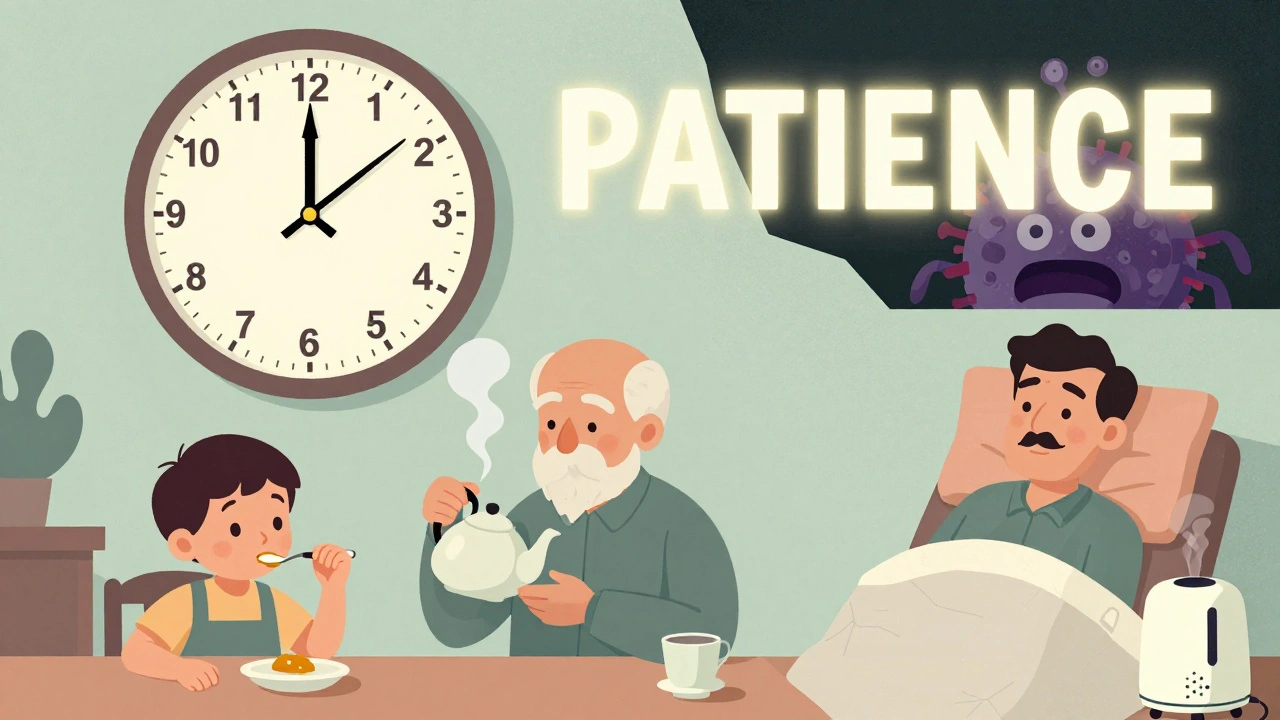
Rest. Drink. Honey. Humidifier. Patience. That’s the treatment. Antibiotics? Save them for when they actually matter.
You’ll get better. It just might take longer than you want. That’s okay. You’re not weak. You’re healing.




Comments (14)