US Customs Medication Rules 2025: What You Can and Can’t Bring Across the Border
When you’re traveling into the United States with medication, you’re dealing with US Customs and Border Protection (CBP), the federal agency that enforces laws on what people can bring into the country, including prescription drugs, over-the-counter pills, and dietary supplements. Also known as CBP, it works hand-in-hand with the FDA, the Food and Drug Administration, which regulates drug safety, labeling, and importation to decide what’s legal. If you’re carrying pills, liquids, or injectables, you need to know the difference between personal use and commercial intent — because one mistake can mean your meds get thrown out, or worse, you get fined or detained.
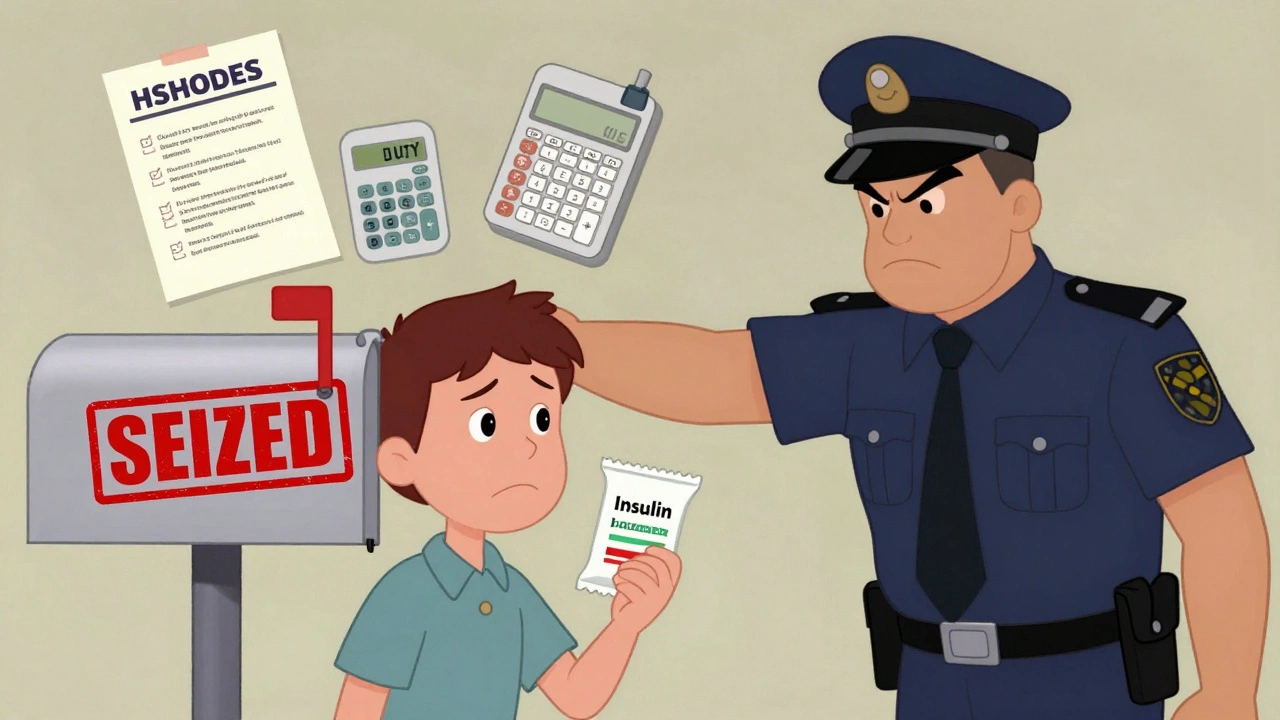
Many travelers assume that if a drug is legal in their home country, it’s fine to bring into the U.S. That’s not true. The FDA, the agency that approves drugs for sale in the U.S., doesn’t recognize foreign approvals. For example, you might have a prescription for a painkiller or anxiety med that’s common in Europe or Asia — but if it’s not FDA-approved or lacks proper labeling, CBP will confiscate it. Even common supplements like melatonin or high-dose vitamin B12 can raise flags if they’re not in original containers or if you’re carrying more than a 90-day supply. The rule is simple: only bring what you need for personal use, clearly labeled, and ideally with a copy of your prescription or doctor’s note. And don’t even think about mailing meds ahead — that’s a fast track to seizure.
There are exceptions. If you’re moving to the U.S. permanently, you can apply for a personal importation allowance for non-FDA-approved drugs, but only under strict conditions. And if you’re traveling with insulin, injectables, or controlled substances like opioids or ADHD meds, you must declare them. CBP officers aren’t trying to punish you — they’re trying to stop fake, expired, or dangerous drugs from entering the country. In 2025, they’re using more advanced scanners and AI tools to spot mismatched labels or bulk quantities. So don’t risk it by hiding pills in a pill organizer. Bring the original bottle, the prescription, and your ID. If you’re unsure, check the FDA’s website for import guidelines — but don’t wait until you’re at the airport.
Below, you’ll find real-world advice from people who’ve been through the process — including how to handle common issues like expired prescriptions, international pharmacy orders, and what to do if your meds get taken. You’ll also learn how to read FDA warnings on drug labels, why generic versions matter when crossing borders, and how REMS programs might affect your access to certain drugs abroad. This isn’t about legal jargon — it’s about keeping your treatment on track while staying on the right side of the law.