Tendon Rupture: Causes, Risks, and What You Need to Know
When a tendon rupture, a complete tear in the tough tissue connecting muscle to bone. Also known as tendon tear, it often happens without warning—during a simple step, a jump, or even while walking. This isn’t just a strain or pull. It’s a full break that usually needs medical attention, sometimes surgery, and always time to heal.
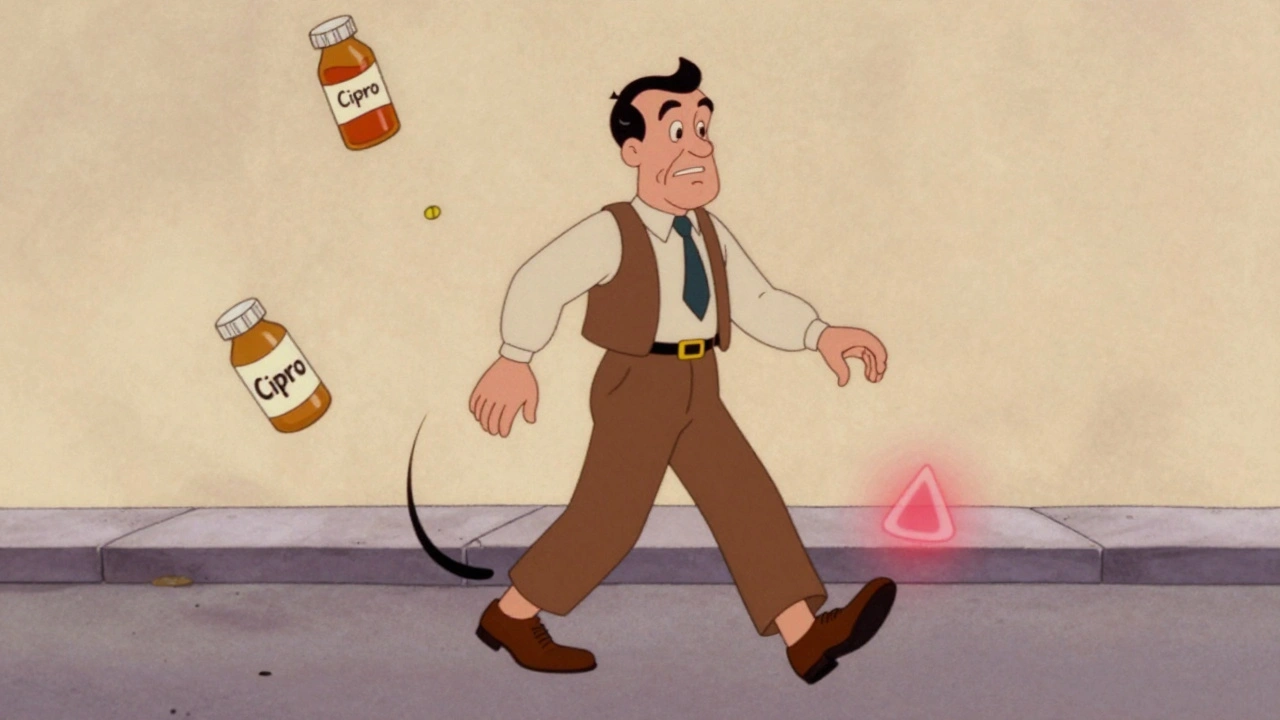
Some Achilles tendon, the largest tendon in the body, linking the calf muscle to the heel ruptures are tied to sports, but many happen to people who aren’t athletes. Older adults, especially those over 40, are at higher risk because tendons lose elasticity with age. But there’s another hidden factor: certain medications. fluoroquinolone antibiotics, a class of drugs like ciprofloxacin and levofloxacin used for infections have been linked to increased tendon rupture risk—especially in people over 60, those on steroids, or with kidney disease. The FDA has issued warnings about this for years, yet many patients aren’t told.
Tendon rupture isn’t always sudden. Sometimes it starts with pain, stiffness, or a feeling of weakness—signs you might ignore until it snaps. Corticosteroid injections, whether in joints or soft tissue, can also weaken tendons over time. Even statins, often taken for heart health, have been studied for possible links to tendon problems, though the evidence isn’t as strong as with antibiotics. If you’re on any of these meds and feel persistent discomfort in your heels, shoulders, or wrists, don’t brush it off.
Recovery depends on where the rupture happened, how old you are, and how active you want to be. Some people heal with rest and physical therapy. Others need surgery to stitch the tendon back together. Either way, rehab takes months. Rushing back too soon raises the chance of another rupture. And here’s the thing: if you’ve had one rupture, your other tendons are more vulnerable too.
What you’ll find in the posts below isn’t just theory. It’s real-world insight from people who’ve dealt with medication side effects, understood drug warnings, and learned how to protect their bodies. You’ll see how tendon rupture connects to things like antibiotic use, steroid treatments, and even how pharmacies double-check prescriptions to avoid dangerous combinations. These aren’t isolated cases—they’re patterns. And knowing them could help you avoid a life-changing injury.