Social Media Pharmacovigilance: How Online Posts Help Track Drug Safety
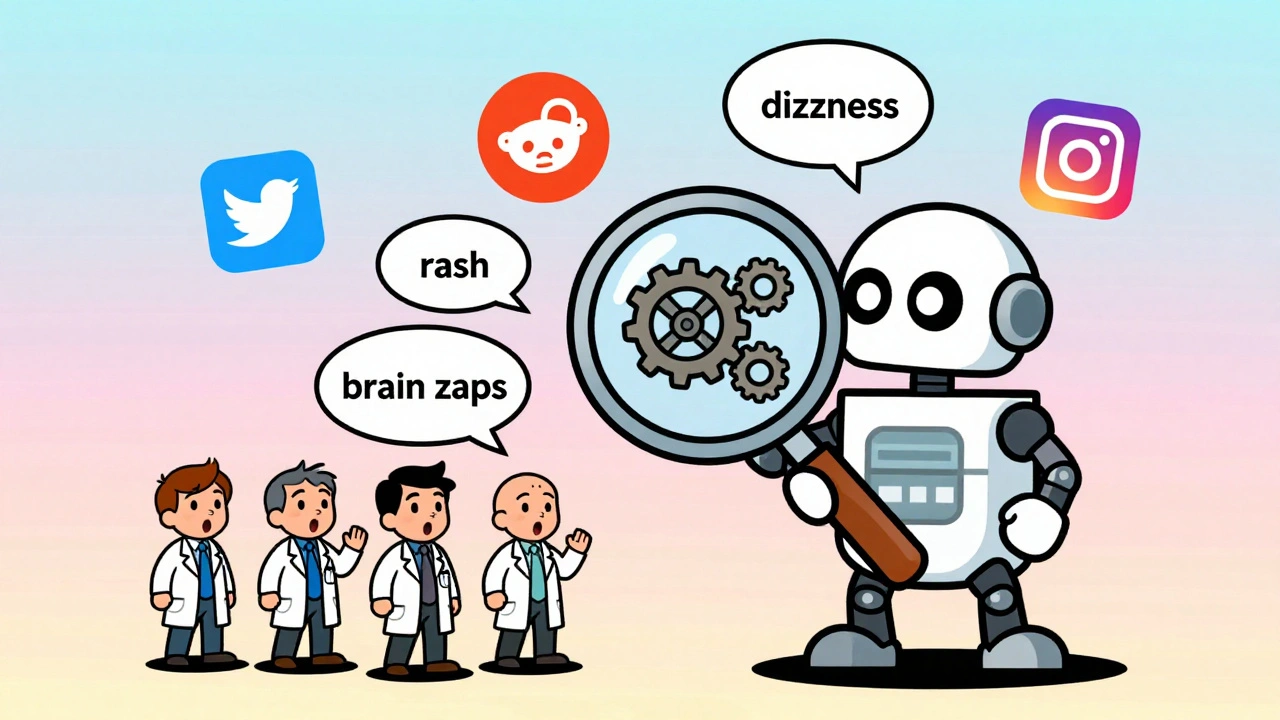
When someone posts online about a strange reaction after taking a new pill, they’re not just sharing a personal story—they’re helping social media pharmacovigilance, the practice of using public online content to detect and monitor harmful drug reactions. Also known as digital pharmacovigilance, it’s turning everyday social posts into early warning signals for drug safety teams. Before, if you had a bad reaction to a medication, you might tell your doctor, fill out a paper form, or wait months to see if others had the same issue. Now, people tweet about swelling after taking a new blood pressure drug, post about dizziness on Reddit after starting an antidepressant, or leave comments on Facebook groups about unexplained bruising from a generic painkiller. These aren’t just complaints—they’re data points that regulators and drug makers are now actively watching.
Companies and agencies like the FDA, the U.S. agency responsible for approving and monitoring medications use tools to scan public posts for patterns. A sudden spike in mentions of "twitching" after a new generic version of a seizure drug hits the market? That could trigger a deeper review. The MedWatch, the FDA’s official system for reporting adverse drug reactions has been around for years, but it relies on people filling out forms. Social media catches the ones who never do. A 2023 study found that over 40% of rare side effect reports first appeared on social platforms before showing up in official databases. And it’s not just about new drugs—people are spotting unexpected reactions to older generics, like muscle pain from statins or memory issues from antihistamines, long after the drug was approved.
This doesn’t mean every viral post is a proven danger. False alarms happen. Someone might confuse a side effect with a cold, or blame a drug for a reaction caused by something else. That’s why experts look for clusters—not single posts. They check if multiple users in different places report the same unusual symptom around the same time. They cross-reference with pharmacy records and hospital data. The goal isn’t to panic over every comment, but to find the signals hidden in the noise. And when those signals are strong enough, they lead to label updates, safety alerts, or even drug withdrawals.
What you’ll find in the posts below are real examples of how patients, doctors, and regulators are using this system. From how to report a reaction online to why a rare side effect only showed up after thousands of people started using a new generic, these stories show how social media is changing drug safety from a slow, top-down process into a faster, crowd-powered one. You don’t need to be a scientist to help—your post could be the one that saves someone else’s life.