Risk-Benefit Analysis: Making Smarter Choices With Medications
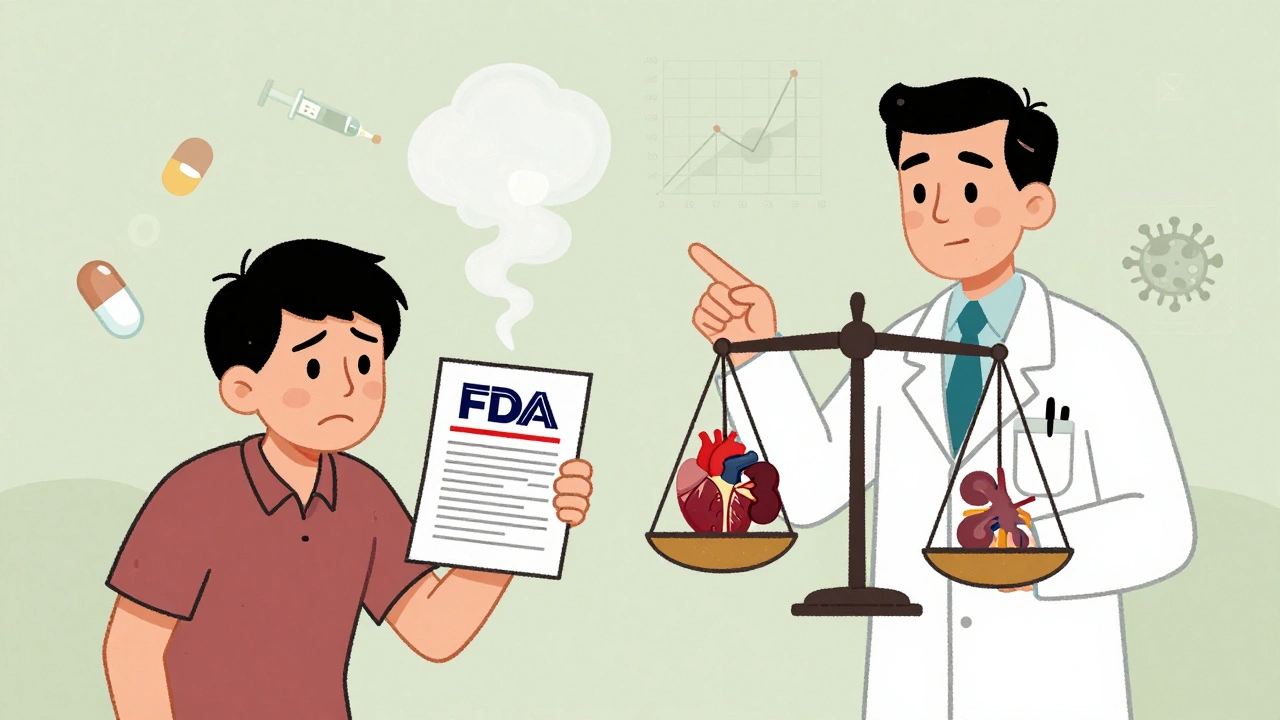
When you take a medication, you’re making a risk-benefit analysis, the process of comparing the potential positive outcomes of a drug against its possible harms. Also known as benefit-risk assessment, it’s not just something doctors do behind closed doors—it’s something you’re already doing every time you decide to take a pill, even if you don’t realize it. Every drug has side effects. Some are mild, like a dry mouth or drowsiness. Others can be serious, like liver damage or dangerous interactions. But without the drug, you might face worse outcomes—like a stroke, uncontrolled pain, or a worsening illness. That’s the core of risk-benefit analysis: Is the help worth the hassle—or the danger?
Think about statins. They lower cholesterol and prevent heart attacks, but some people get muscle pain. For someone with a history of heart disease, the benefit of avoiding a heart attack far outweighs the risk of muscle soreness. For someone with no heart issues and low cholesterol? The balance shifts. That’s why the FDA, the U.S. agency responsible for approving medications and monitoring their safety after release. Also known as Food and Drug Administration, it doesn’t just ask if a drug works—it asks, "How much better does it make people, and how many are harmed?" That’s why drugs like REMS programs exist: they’re safety nets for high-risk medications, forcing doctors to monitor patients closely. And when a drug causes rare but deadly reactions, like the ones reported in adverse drug reactions, unintended and harmful responses to medications that can range from rashes to organ failure. Also known as side effects, they are serious enough to trigger recalls or black box warnings, that’s the system working.
What you’ll find in these posts isn’t theory—it’s real-world examples. You’ll learn how a simple double-check at the pharmacy prevents deadly dosing errors, why generic drugs are safe despite lower prices, and how a patient’s report of a rare reaction can change how a drug is used nationwide. You’ll see how postpartum thyroiditis is often missed because its symptoms look like baby blues, and how a vitamin formula backed by decades of research can slow vision loss in older adults. You’ll understand why St. John’s Wort can ruin birth control, why digoxin needs blood tests, and why some people can’t tolerate statins—but still have options. This isn’t about fear. It’s about awareness. It’s about knowing when a side effect is normal and when it’s a red flag. It’s about asking the right questions before you swallow that pill. The information here isn’t meant to scare you. It’s meant to put you in control.