Prescription Coverage: What You Pay, What Insurance Covers, and How to Fight Denials
When you pick up a prescription, prescription coverage, the part of your health insurance that pays for medications. Also known as pharmacy benefits, it’s not just about whether your drug is covered—it’s about how much you pay, why it might be denied, and how to get it approved. Many people assume if a drug is on their plan’s list, they’re golden. But that’s not true. Even covered drugs can come with high copays, step therapy rules, or prior authorization hurdles. And if your doctor prescribes something off-formulary? You could be stuck paying full price—sometimes hundreds of dollars a month.
Drug prior authorization, a process where your insurer requires approval before covering a medication is one of the biggest roadblocks. It’s not red tape for fun—it’s meant to control costs, but it often delays care. For example, if you’re on a generic statin and your doctor switches you to a brand-name version for muscle pain reasons, your insurer will likely require proof that cheaper options failed first. That’s step therapy, a requirement to try lower-cost drugs before moving to more expensive ones. It sounds logical, but if you’ve already tried three drugs and they all caused side effects, you’re stuck in a loop. The good news? You can appeal. Most insurers have a formal process, and many appeals succeed if your doctor writes a letter explaining why the preferred drug won’t work for you.
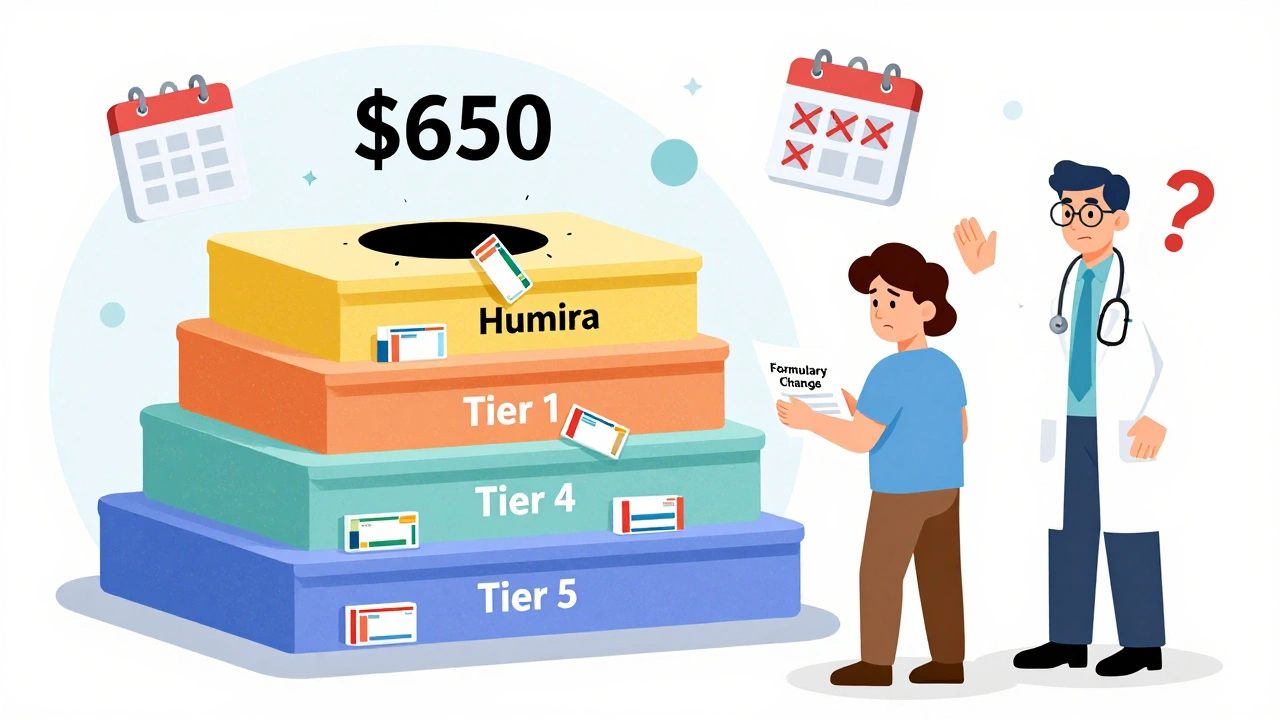
Then there’s the formulary, the list of drugs your plan agrees to cover. These aren’t random. They’re built by pharmacy benefit managers (PBMs) who negotiate deals with drug makers. Sometimes, a cheaper generic is preferred. Other times, a brand-name drug gets top billing because the manufacturer paid for it. That’s why two people with the same insurance might have different coverage for the same pill. And if your drug gets removed from the formulary mid-year? You might get a notice saying you now pay 300% more. That’s legal. But you can ask for a transition fill—most plans must give you at least a 30-day supply while you appeal or switch.
Don’t ignore the fine print on your Explanation of Benefits (EOB). That’s where you’ll see if your claim was denied for "not medically necessary," "out-of-network pharmacy," or "quantity limit exceeded." These are all fixable. A simple call to your pharmacy or insurer can clear up a mistake. Many people give up after one denial. But if you push back—with documentation from your doctor—you’ll win more often than you think.
And here’s something most don’t realize: prescription coverage doesn’t just stop at the pharmacy counter. It affects your entire treatment plan. If you can’t afford your blood pressure med, you might skip doses. That leads to ER visits. That’s why some clinics now offer medication assistance programs, or even free samples. If your drug costs more than $50 a month, ask your doctor if there’s a patient support program. Many manufacturers have them.
You’re not alone in this mess. Millions struggle with high drug costs, confusing rules, and insurance denials. But understanding how prescription coverage really works gives you power. You don’t have to accept "no" as the final answer. You can ask for exceptions. You can switch pharmacies. You can request generic alternatives. You can even file a complaint with your state’s insurance department if your insurer is acting unfairly.
Below, you’ll find real-world guides on how to handle denied prescriptions, how to read your drug formulary, how to appeal a denial, and what to do when your medication suddenly disappears from coverage. These aren’t theory pieces—they’re step-by-step tools built from people who’ve been there. Use them to take control of your care—and your wallet.