Postpartum Thyroiditis: What It Is, How It Affects New Moms, and What to Watch For
When your body changes after giving birth, it’s easy to blame fatigue, mood swings, or weight gain on being a new parent. But sometimes, those symptoms aren’t just exhaustion—they’re signs of postpartum thyroiditis, an autoimmune condition where the thyroid becomes inflamed after pregnancy, causing hormone levels to spike and then drop. Also known as postpartum thyroid disorder, it affects up to 1 in 5 women who have no prior thyroid issues. It often shows up between 1 and 6 months after delivery, right when new moms are already stretched thin. That’s why it’s so easy to mistake for baby blues or sleep deprivation.
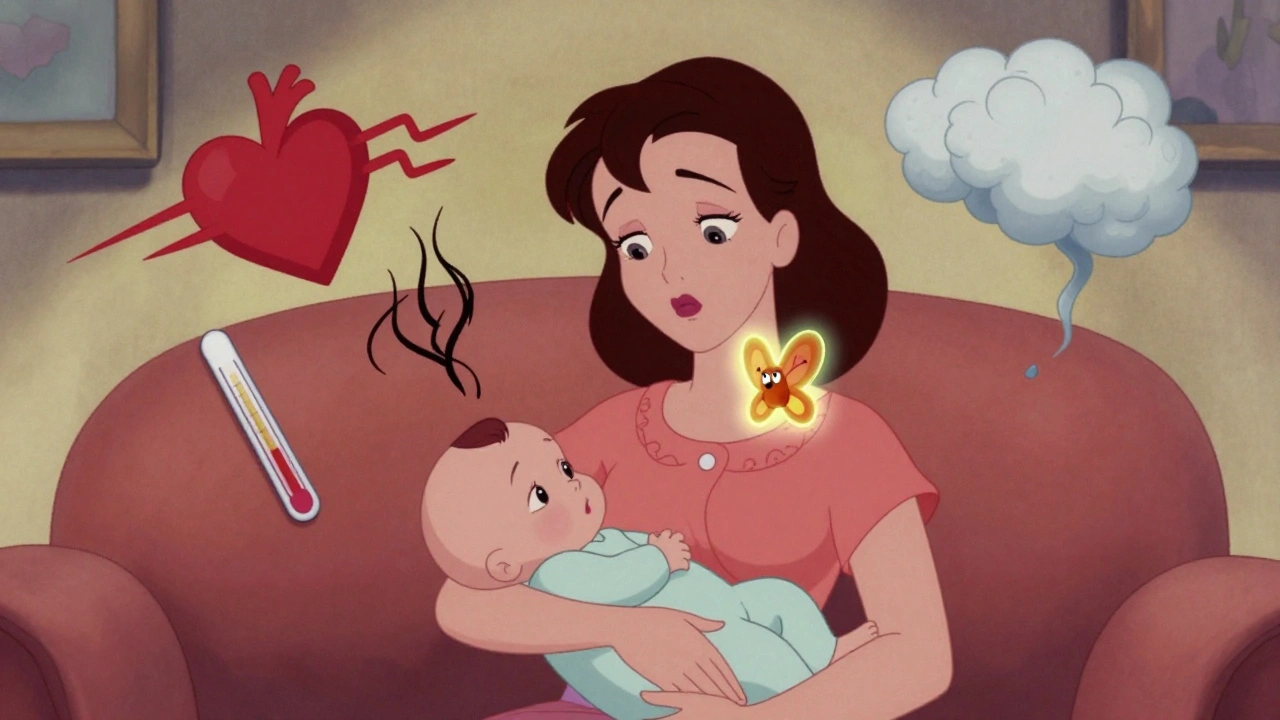
Thyroid dysfunction after pregnancy, a broader term that includes postpartum thyroiditis, happens when the immune system, which is suppressed during pregnancy, rebounds and attacks the thyroid gland. This triggers two phases: first, a hyperthyroid phase with symptoms like rapid heartbeat, anxiety, and unexplained weight loss; then, often within months, a hypothyroid phase with crushing fatigue, depression, hair loss, and weight gain. Not everyone goes through both phases, but many do—and many don’t realize what’s happening until their symptoms become unbearable. What makes it tricky is that the symptoms overlap so much with normal postpartum life. You’re tired? Of course you are. You’re emotional? That’s normal too. But if your energy doesn’t bounce back after a few months, or if you’re suddenly freezing in a warm room while everyone else is sweating, it’s worth getting checked.
Unlike other thyroid conditions, postpartum thyroiditis isn’t always permanent. For many women, thyroid function returns to normal within 12 to 18 months. But for about 20% of those affected, it becomes lifelong hypothyroidism, requiring daily medication. The good news? A simple blood test—checking TSH, free T4, and thyroid antibodies—can catch it early. And early treatment means avoiding long-term health risks like heart problems, high cholesterol, or worsening depression.
This collection of articles doesn’t just explain what postpartum thyroiditis is—it connects it to the bigger picture of how your body reacts after pregnancy, how drug side effects can mimic hormonal shifts, and why knowing the difference between a thyroid flare and a mental health issue matters. You’ll find real-world advice on when to push for testing, how to talk to your doctor without sounding paranoid, and how to spot the hidden signs that something’s off. Whether you’re a new mom wondering why you feel so off, a caregiver supporting someone postpartum, or a healthcare provider looking for clearer patient guidance, these posts give you the tools to act—not just wait it out.