Postpartum Fatigue: What It Is, Why It Happens, and What You Can Do
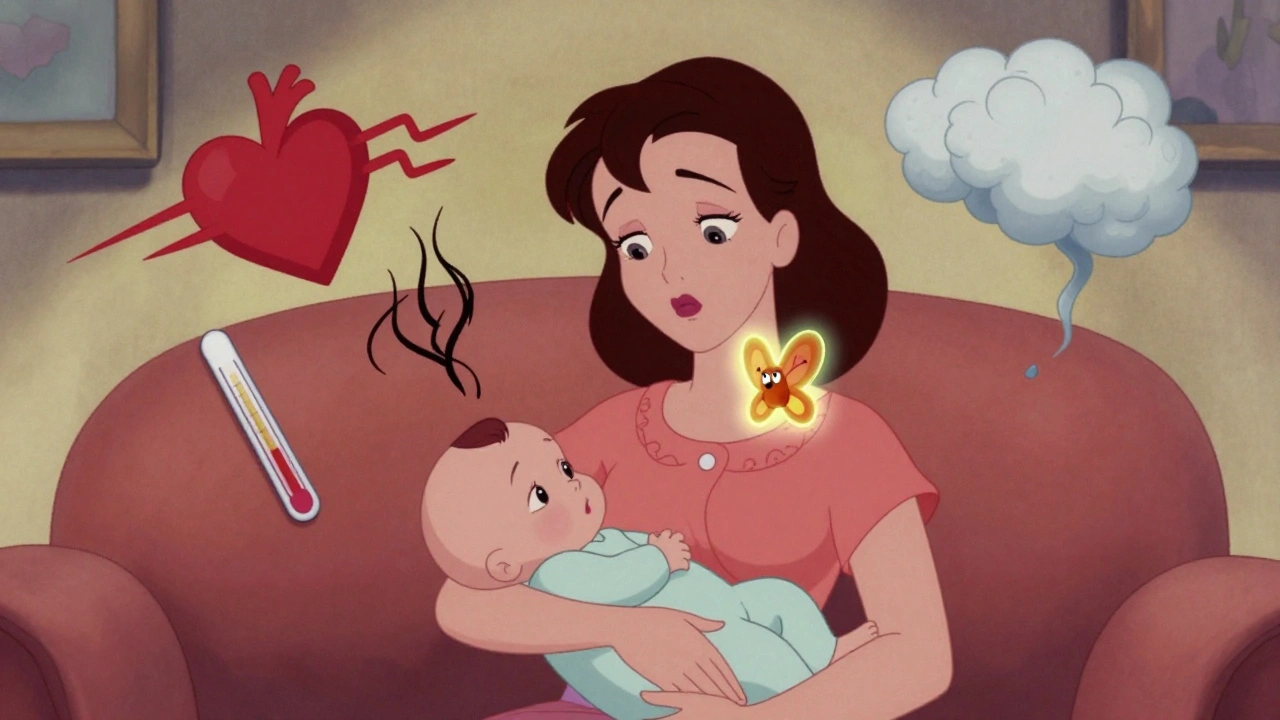
When we talk about postpartum fatigue, the intense, lingering exhaustion that follows childbirth, often beyond what’s expected after sleep deprivation. Also known as maternal exhaustion, it’s not just about missing sleep—it’s your body recovering from major physical stress, hormonal shifts, and the emotional weight of caring for a newborn. Many new parents think they’ll bounce back after a few weeks, but for most, this fatigue lasts months. It’s not weakness. It’s biology.
hormonal changes after birth, the dramatic drop in estrogen, progesterone, and other pregnancy hormones after delivery play a huge role. These shifts affect your energy, mood, and even how your body uses fuel. Add in blood loss during delivery, possible anemia, thyroid changes, and the constant demands of feeding, soothing, and sleeping in short bursts, and it’s no surprise you feel drained. postpartum recovery, the physical and emotional healing process after giving birth isn’t a checklist—it’s a slow rebuild. And society rarely gives you space to do it right.
What makes this worse? People tell you to "just rest" or "enjoy the baby." But when your baby sleeps, you’re cleaning, cooking, or staring at the ceiling wondering if you’ll ever feel like yourself again. This isn’t normal tiredness. It’s a signal. Your body is asking for support—not just more sleep, but real help: someone to hold the baby while you nap, a meal delivered, a check-in from a friend who gets it. Studies show that new moms who get consistent practical and emotional support recover faster, not just physically but mentally too.
And it’s not just about sleep. Chronic fatigue after birth can overlap with postpartum depression, thyroid issues, or undiagnosed anemia. If you’re exhausted, irritable, and can’t focus—even after a full night’s sleep—it’s not "just stress." It’s your body screaming for attention. You need lab tests, not just pep talks.
There’s no magic fix, but there are real steps: eating protein-rich meals, staying hydrated, asking for help without guilt, and giving yourself permission to rest even when the house isn’t clean. Some moms find relief with iron supplements, thyroid screening, or gentle movement like walking. Others need therapy or medication. What works? It varies. But what doesn’t work is pretending it’ll go away on its own.
Below, you’ll find real, practical advice from people who’ve been there—how to spot when fatigue crosses into something serious, what supplements actually help, how to talk to your doctor without sounding like you’re overreacting, and how to rebuild energy without burning out again. This isn’t about being perfect. It’s about surviving—and eventually, thriving—after birth.