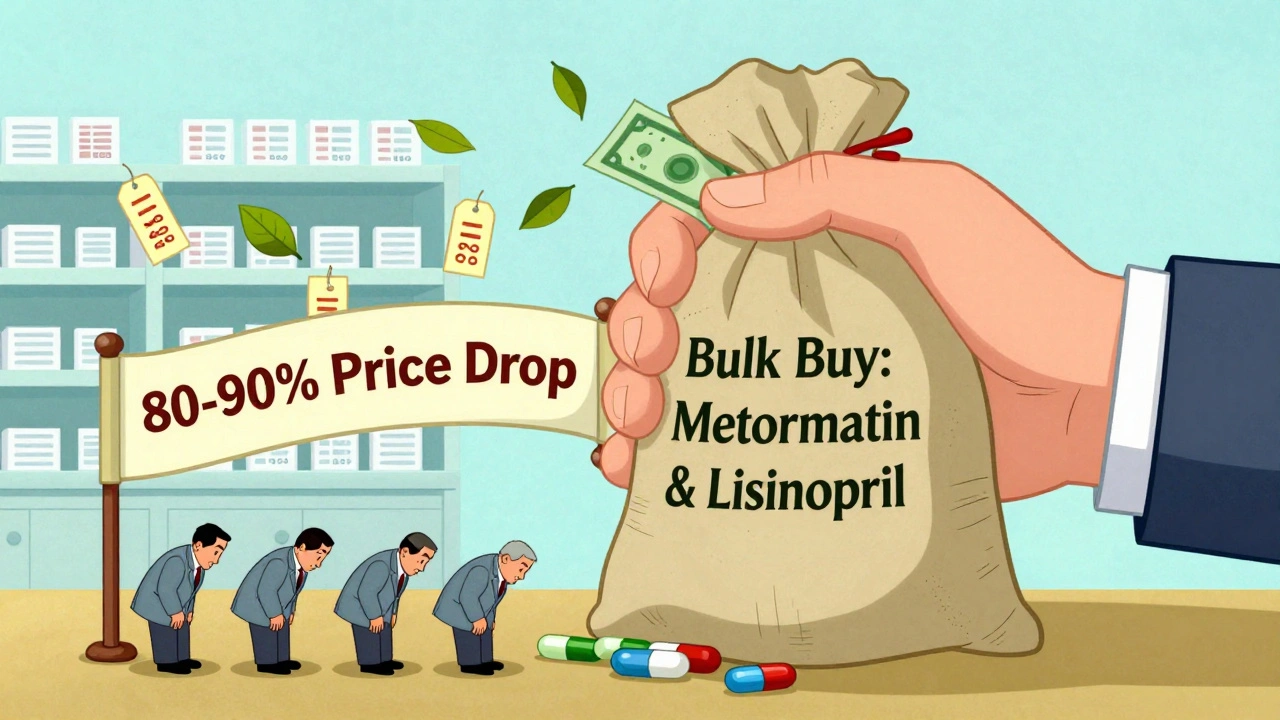
Pharmacy Benefit Managers: How They Control Your Drug Costs and Coverage
When you pick up a prescription, you might think your doctor and pharmacist are the only ones deciding what you get and how much it costs. But behind the scenes, a powerful player called pharmacy benefit managers, third-party administrators that manage prescription drug programs for health insurers, employers, and government plans. Also known as PBMs, they control which drugs are on your plan’s list, set prices, and decide if you need prior authorization just to fill a script. These companies don’t prescribe or dispense medicine—they control access to it.
Pharmacy benefit managers work with drug manufacturers to negotiate discounts, but those savings don’t always reach you. They create formularies, lists of approved medications grouped into tiers with different cost-sharing levels. A drug on Tier 1 might cost you $5, while one on Tier 4 could cost $100 or more—even if they’re the same medicine. Some PBMs push brand-name drugs over generics not because they’re better, but because they get kickbacks from manufacturers. That’s why you might see your $10 generic suddenly disappear from your plan’s list, replaced by a pricier version you didn’t ask for.
These decisions directly affect people on Medicare Part D, the federal prescription drug program for seniors and people with disabilities. When a PBM drops a medication from coverage or raises the copay, patients often face delays, higher costs, or even go without treatment. That’s why understanding formulary changes, appeals, and generic drug access matters. It’s not just about paperwork—it’s about whether you can afford to keep taking your blood pressure pill, your insulin, or your thyroid med.
You’ll find posts here that break down how PBMs make money, why your favorite drug got pulled from coverage, and how to fight back when your plan denies a prescription. We cover real cases where patients lost access to generics because of PBM deals, how drug manufacturers use rebates to manipulate formularies, and what the FDA and Congress are doing to fix the system. You’ll also learn how to read your drug list, spot when a PBM is steering you toward an expensive option, and what to say when your pharmacy says, ‘Your plan doesn’t cover that anymore.’ This isn’t theory. It’s what’s happening to millions of people every day.