
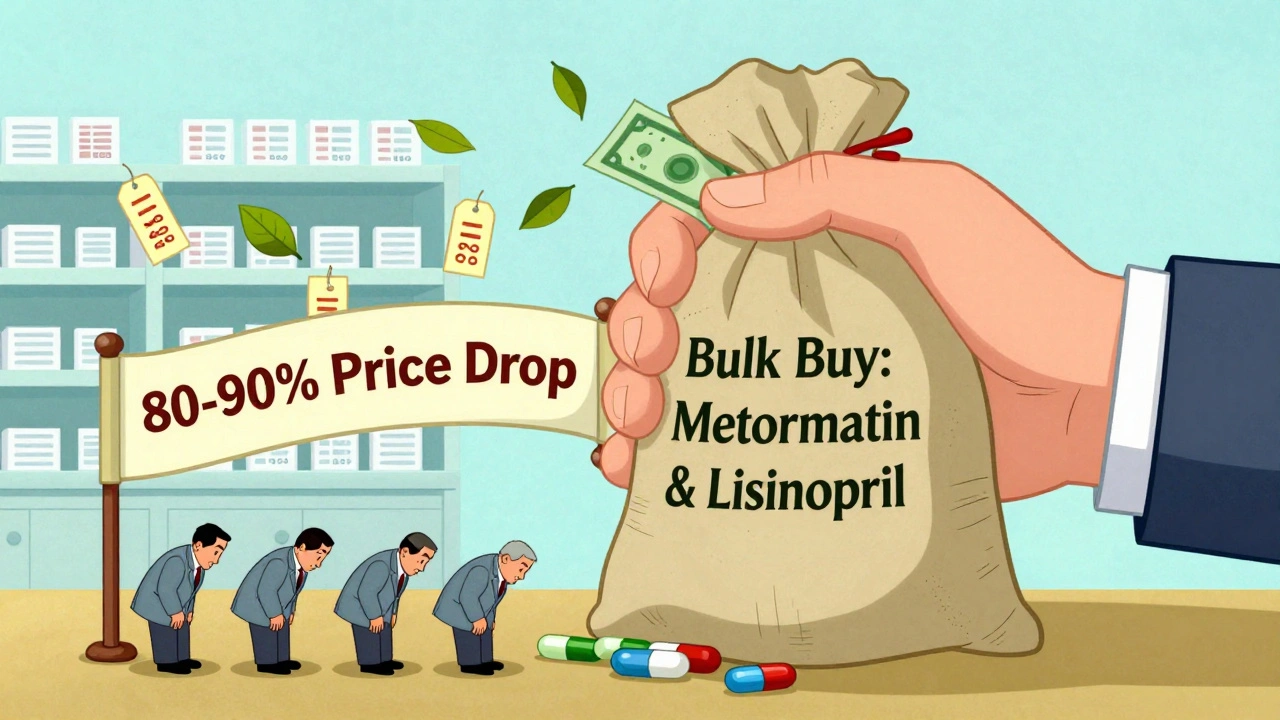
Insurers don’t save money on generic drugs by accident. They do it on purpose-through bulk buying and tendering. These aren’t fancy buzzwords. They’re practical, powerful tools that let health plans pay far less for the same medicine. And it’s working. In 2023, generic drugs saved the U.S. healthcare system over $445 billion. That’s not a rounding error. That’s real cash staying in patients’ pockets and employers’ budgets.
What Bulk Buying Actually Means for Insurers
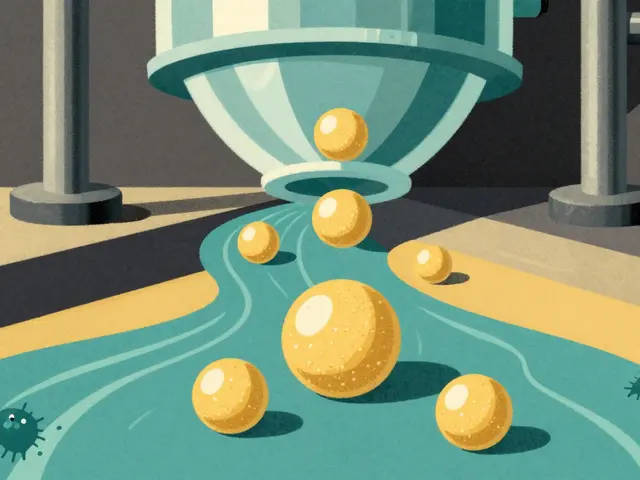
Bulk buying isn’t just buying in large quantities. It’s about control. When an insurer or pharmacy benefit manager (PBM) commits to buying millions of pills of a specific generic drug-say, metformin or lisinopril-they don’t just ask for a discount. They demand it. And manufacturers, knowing they’ve got a guaranteed buyer, lower their prices to win the contract. This isn’t theoretical. In 2022, the FDA found that the first generic version of a brand-name drug saved patients and plans about $5.2 billion in its first year alone. One drug, pemetrexed, saved over $1 billion. That’s not a typo. One drug. One year. That’s the power of competition. Insurers don’t just buy one drug at a time. They buy entire therapeutic classes-like all blood pressure meds or all cholesterol drugs. By bundling demand, they force manufacturers to compete against each other. The result? Prices drop 80-90% from the original brand-name price. Some generics now cost less than a cup of coffee.Tendering: The Auction System Behind the Scenes
Tendering is how insurers run this competition. Think of it like an auction-but backwards. Instead of bidding up, companies bid down. Insurers send out a request: “We need 10 million tablets of atorvastatin. Submit your best price.” Generic makers respond. The insurer picks the lowest bid that still meets quality standards. These contracts usually last one to three years. That gives manufacturers stability. They can plan production, invest in equipment, and keep supply steady. In return, insurers get locked-in low prices. But here’s the catch: not all generics are created equal. Some have only one or two manufacturers. Others have ten. The more competitors, the deeper the price drop. Insurers track this closely. If a drug has only one supplier and the price jumps, they switch to a similar drug with more competition. It’s called therapeutic substitution-and it’s how they avoid getting stuck paying too much.How Formularies Control What Gets Covered
Every insurer has a formulary-a list of approved drugs. Generics usually sit in the lowest tiers, meaning lower copays. But here’s where things get shady. Many insurers still put expensive generics on higher tiers, even when cheaper alternatives exist. Why? Because some pharmacy benefit managers (PBMs) profit from the gap. PBMs like OptumRx, Caremark, and Express Scripts act as middlemen. They negotiate prices between insurers and pharmacies. But in many cases, they don’t pass the full savings along. Instead, they use something called “spread pricing.” That means they charge the insurer one price, pay the pharmacy another, and pocket the difference. And guess what? They often prefer higher-priced generics because the spread is bigger. A 2022 JAMA Network Open study found that plan sponsors often don’t even know which generics are driving their costs. They see a total bill, not the details. That’s why some insurers now demand transparency clauses in contracts-forcing PBMs to reveal exactly how much they’re making on each drug.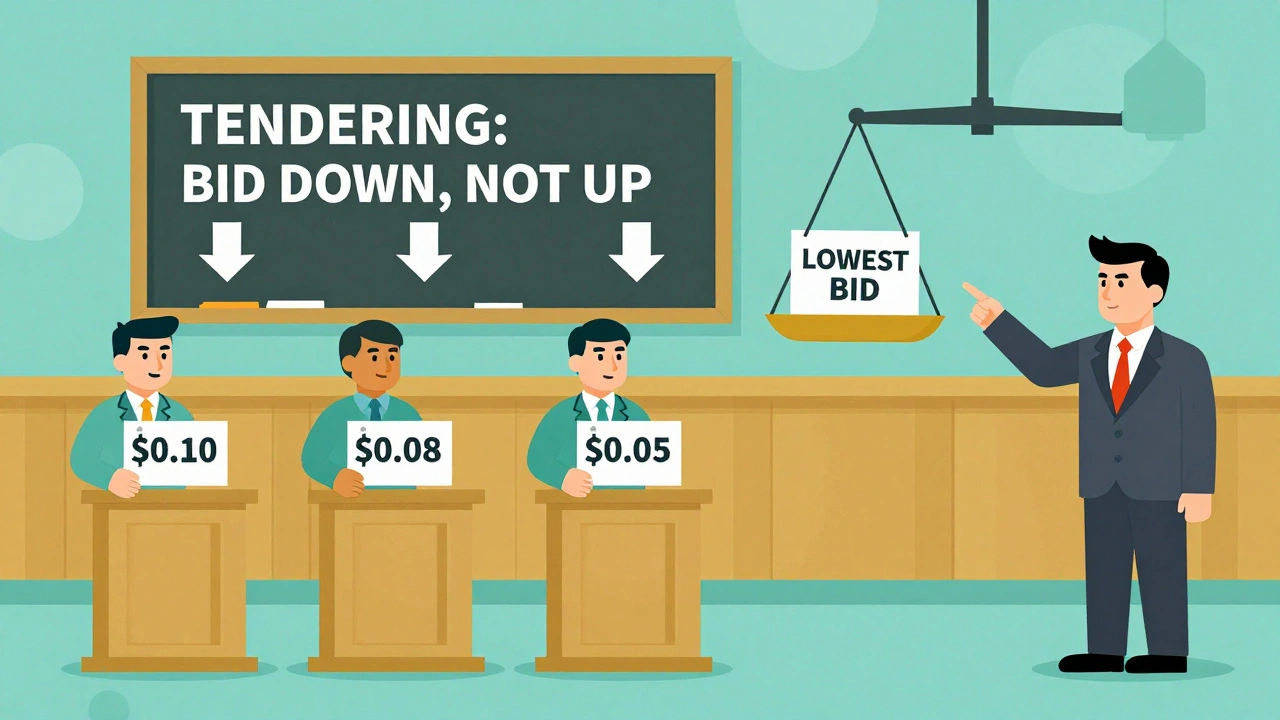
Why Cash Often Beats Insurance for Generics
Here’s something most people don’t realize: paying cash for a generic can be cheaper than using insurance. Seriously. A Reddit user in 2023 paid $87 out-of-pocket through their insurance for a generic blood pressure pill. When they paid cash at Cost Plus Drug Company, it was $4.99. Another GoodRx user saved $32 a month on three generics by skipping insurance entirely. Why? Because insurance systems are built on complex rebates and fees. The price you see on your statement isn’t the real cost. It’s a negotiated number that includes hidden markups. Cash buyers bypass all that. Direct-to-consumer pharmacies like Cost Plus Drug Company and Blueberry Pharmacy cut out the middlemen entirely. They tell you the price upfront-no surprises. In fact, 97% of cash payments for prescriptions in 2020 were for generics. People aren’t dumb. They’re doing the math.The Dark Side: When Low Prices Cause Shortages
There’s a flip side to all this saving. When prices drop too low, manufacturers can’t make money. And they walk away. In 2020, albuterol inhalers-a life-saving asthma medication-vanished from shelves. Why? The price had been bid down so far that production costs exceeded what manufacturers could charge. Eighty-seven percent of hospitals reported shortages. People couldn’t get their meds. Saving money shouldn’t mean risking health. This is why smart insurers don’t just chase the lowest bid. They monitor supply chains. They avoid drugs with only one or two manufacturers. They build buffer stock for critical medications. They know that a $0.01 price difference isn’t worth a patient going without.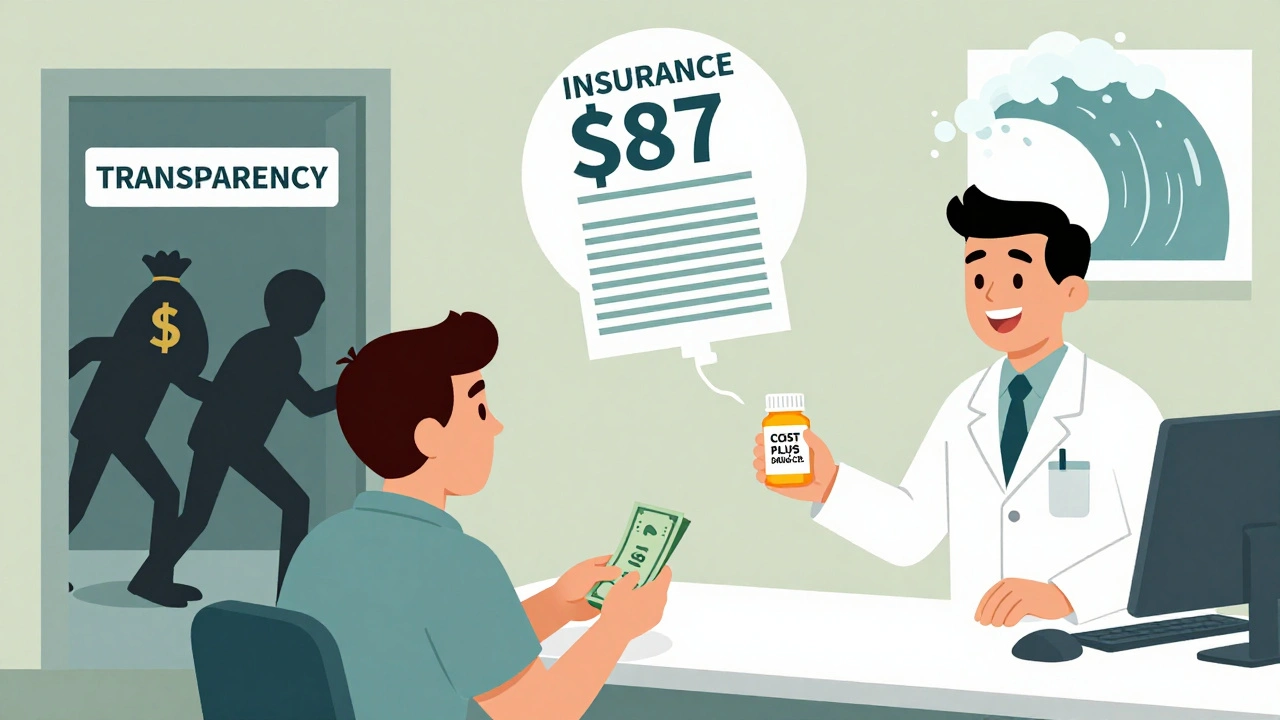
What’s Changing Now?
New rules are forcing change. The Inflation Reduction Act of 2022 didn’t fix everything-but it started pushing for more transparency. In January 2024, Medicare required PBMs to disclose pricing details for Part D plans. California’s Senate Bill 17 (2017) forced PBMs to reveal spreads over 5%. Other states are following. Employers are also waking up. Navitus Health Solutions, a PBM that works directly with employers, reported 22% lower generic costs in 2023 compared to traditional models. That’s real savings. The FDA’s GDUFA III program, launched in 2023, is speeding up generic approvals. More generics entering the market means more competition, which means more savings. The Congressional Budget Office estimates that better tendering and more generics could save $127 billion over the next decade.What Insurers Should Do Next
If you’re an insurer, employer, or even a patient trying to understand your bill, here’s what matters:- Ask for a breakdown of your generic drug spending. Which drugs are costing the most? Are there cheaper alternatives?
- Push for transparency in PBM contracts. Demand to see the spread pricing.
- Encourage therapeutic substitution. If a $120 generic exists, but a $15 version does the same thing, switch.
- Consider cash or direct-to-consumer options for high-cost generics. Use GoodRx, Cost Plus, or similar services to compare prices.
- Review your formulary every quarter. Don’t wait for a bill to shock you.
Bottom Line: Savings Are Real-If You Know How to Get Them
Generics are the cheapest way to treat chronic conditions. But insurers don’t save money just because generics exist. They save because they’re smart about how they buy them. Bulk buying and tendering aren’t secrets. They’re strategies. And they’re working. The problem isn’t the drugs. It’s the system. Middlemen, opaque pricing, and misaligned incentives have made things confusing. But patients and employers are catching on. And as more demand shifts to transparent models, the old system will have to change-or get left behind. You don’t need to be an expert to save money on generics. You just need to ask: Why is this so expensive? And is there a better way?How do insurers save money on generic drugs?
Insurers save money by buying generics in bulk and using competitive bidding (tendering) to get the lowest prices from manufacturers. They also use formularies to steer patients toward cheaper, equally effective alternatives and demand transparency from pharmacy benefit managers to avoid hidden markups.
Why is my insurance price higher than the cash price for a generic?
Your insurance price often includes hidden fees and spreads charged by pharmacy benefit managers (PBMs). The cash price at pharmacies like Cost Plus Drug Company or through GoodRx cuts out the middlemen entirely, so you pay the real wholesale cost-often 75-90% less than your insurance copay.
What’s the difference between bulk buying and tendering?
Bulk buying means committing to purchase large volumes of a drug to get volume discounts. Tendering is the process of inviting multiple manufacturers to bid on supplying that drug. Together, they create competition that drives prices down.
Are all generic drugs the same?
Yes, legally-FDA-approved generics must have the same active ingredients, strength, and effectiveness as brand-name drugs. But the manufacturer matters. Some generics come from companies with better quality control or lower costs. Insurers track which brands are cheapest and switch when needed.
Can generic drug shortages happen because of low prices?
Yes. When tendering drives prices below production costs, manufacturers stop making the drug. This happened with albuterol inhalers in 2020, causing shortages at 87% of hospitals. Smart insurers avoid this by not pushing prices too low on drugs with few manufacturers.
What can I do to save on my generic prescriptions?
Always check the cash price using GoodRx, Cost Plus Drug Company, or similar services. Compare it to your insurance copay. If cash is cheaper, pay cash. Ask your pharmacist or doctor if there’s a lower-cost generic alternative. And don’t assume your insurance is giving you the best deal-it often isn’t.



Comments (14)