Pharmacovigilance AI: How Artificial Intelligence Is Transforming Drug Safety Monitoring
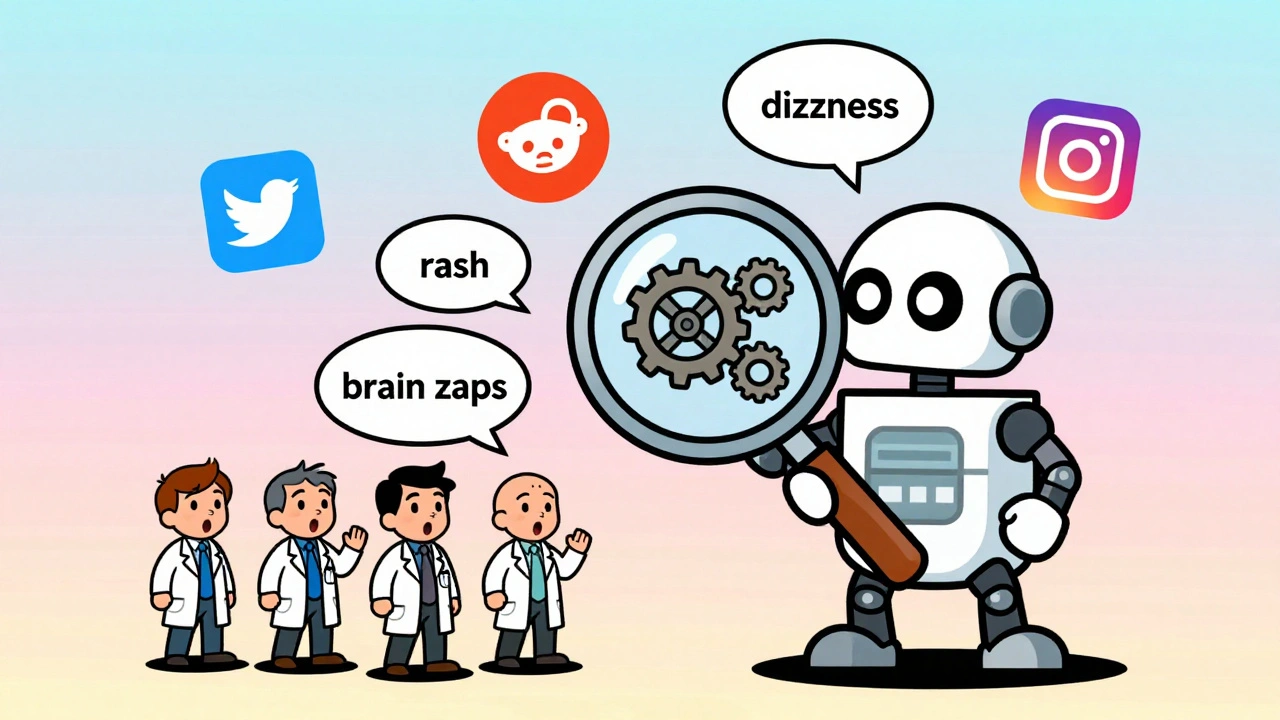
When you take a medication, you trust that it’s been tested for safety—but what happens after it hits the market? That’s where pharmacovigilance AI, the use of artificial intelligence to detect, analyze, and predict drug-related safety issues in real time. It is also known as AI-driven drug safety monitoring, and it’s now the backbone of modern risk management in pharmaceuticals. Traditional systems relied on doctors and patients reporting side effects manually, often months or years after harm occurred. Now, AI scans millions of records—from electronic health records to social media posts and global adverse event databases—to spot patterns no human could catch in time.
This shift matters because adverse drug reactions, unintended and harmful responses to medications are the fourth leading cause of death in the U.S. every year. FDA safety reporting, the official system for collecting and evaluating drug side effect data used to be slow, reactive, and full of gaps. Pharmacovigilance AI changes that. It flags unusual spikes in reports—like a sudden rise in tendon ruptures tied to a specific antibiotic—or connects dots between rare symptoms and drugs that seem unrelated. It doesn’t replace humans; it gives them superpowers. Regulators, pharmacists, and even patients benefit when AI spots a hidden risk before it becomes an epidemic.
Behind the scenes, this tech works by learning from past data: what side effects appeared with which drugs, who was most affected, and how quickly problems showed up. It then applies that knowledge to new data streams, adjusting as more evidence comes in. For example, AI helped identify early signals of postpartum thyroiditis patterns in women taking certain medications, or flagged unexpected interactions between herbal supplements and blood thinners long before formal studies confirmed them. These aren’t theoretical—they’re real findings that led to updated warnings and safer prescribing.
You’ll find posts here that show exactly how this plays out in practice: how AI helps decode FDA alerts, why reporting rare reactions matters more than ever, and how generic drug safety is being monitored differently now than five years ago. Whether you’re a patient worried about your meds, a healthcare worker handling prescriptions, or just someone who wants to understand how drugs are kept safe after they’re sold, this collection gives you the facts without the fluff. No jargon. No guesswork. Just clear, practical insight into how artificial intelligence is quietly saving lives one drug report at a time.