Patient-Reported Side Effects: What You Need to Know Before Taking Medication
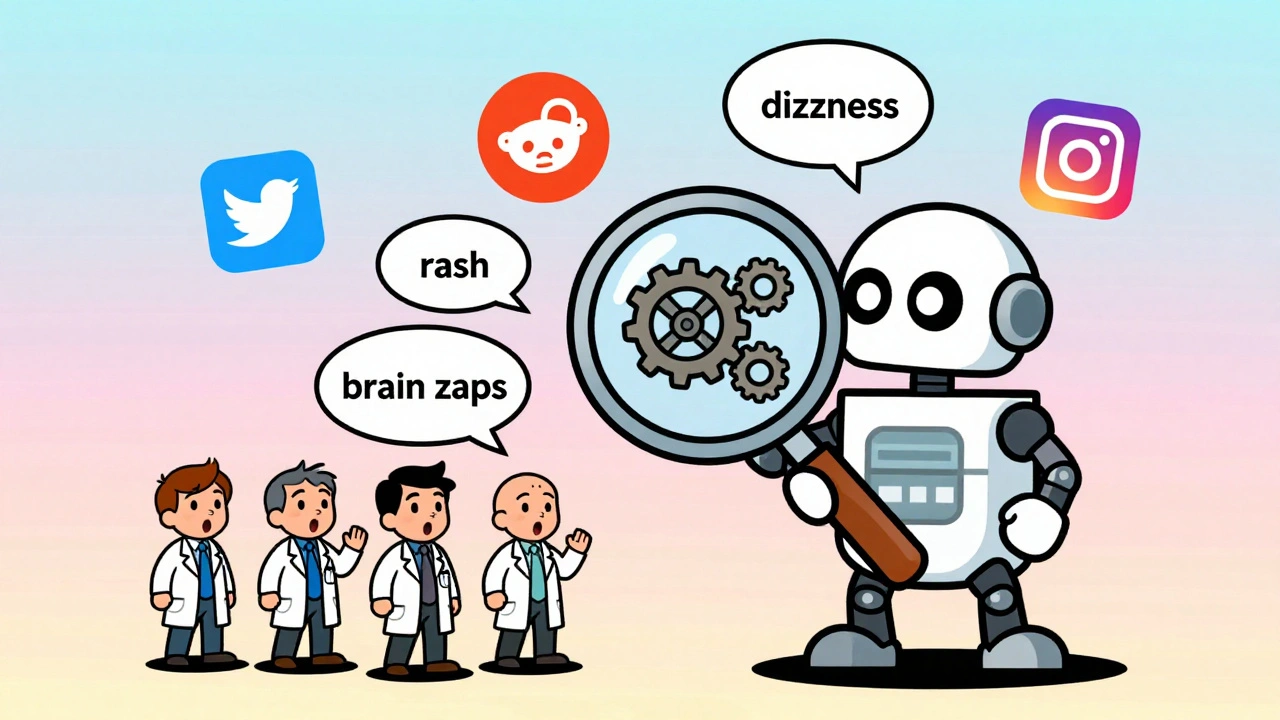
When you take a medication and feel something off—dizziness, nausea, a strange rash—that’s not just bad luck. It’s a patient-reported side effect, an unintended reaction to a drug that a person notices and reports, often outside clinical trials. Also known as adverse drug reactions, these are the real-world signals that tell us whether a medicine is safe beyond the lab.
Drug companies run trials with thousands of people, but those studies can miss rare or delayed reactions. That’s where patient-reported side effects fill the gap. A person on fluoroquinolones might notice their Achilles tendon hurting weeks after starting ciprofloxacin. Someone on statins might feel muscle weakness they didn’t have before. These aren’t just complaints—they’re critical data. The FDA’s MedWatch system relies on these reports to catch dangers that only show up in real life, like tendon ruptures, liver damage, or sudden thyroid changes after pregnancy.
Not every odd feeling is a side effect. Some are normal, temporary, or even unrelated. But if it’s new, persistent, or scary, it’s worth reporting. And knowing the difference between a side effect, an allergic reaction, and a simple intolerance can save you from panic—or worse, stopping a medicine you actually need. For example, stomach upset from a pill isn’t an allergy, but a swelling throat is. One you can manage. The other needs emergency care.
These reports aren’t just for doctors. They shape drug labels, change prescribing guidelines, and even lead to recalls. When enough people report the same issue—like muscle pain from statins or brain fog from acid blockers—the FDA takes notice. That’s how warnings get added to packages, and why some drugs get restricted. Your voice, even if it feels small, helps protect others.
What you’ll find below are real stories and clear guides on how to spot, understand, and act on these reactions. From how to report a rare side effect from a generic drug to why some side effects show up months later, these posts give you the tools to speak up, stay safe, and make smarter choices. You’re not just a patient—you’re part of the safety system.