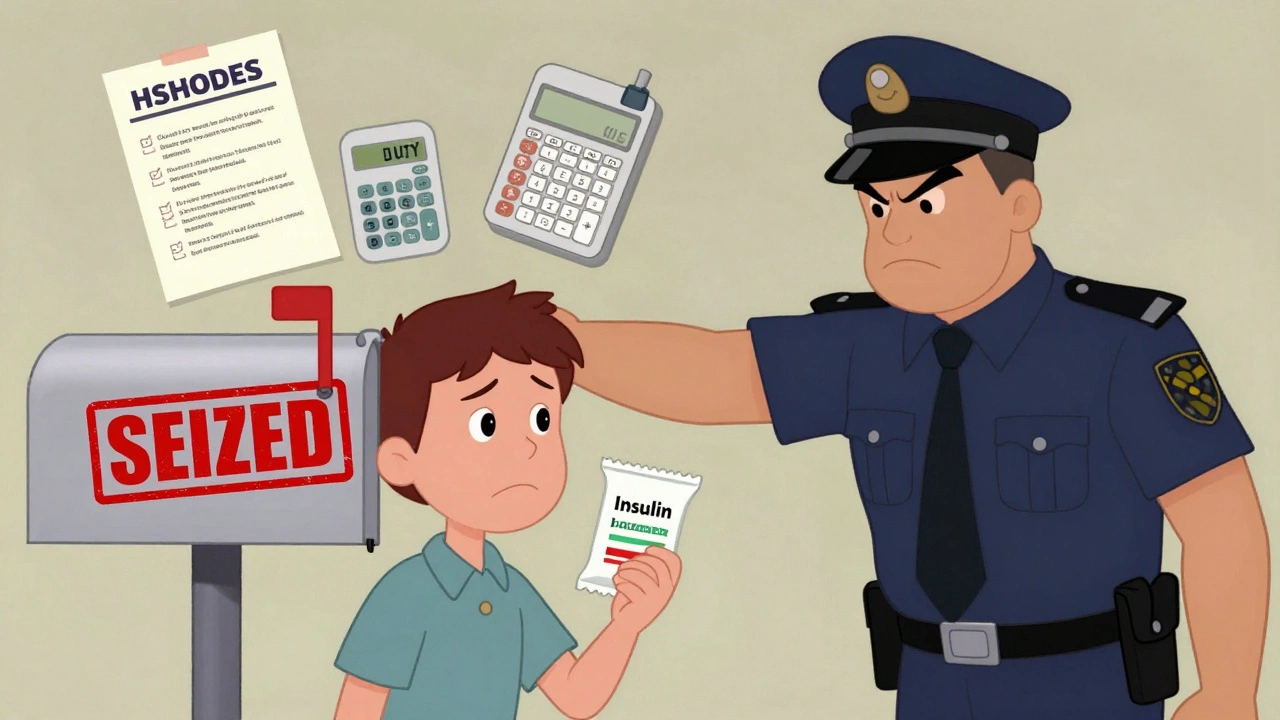
International Mail-Order Medications: What You Need to Know Before You Order
When you order international mail-order medications, pharmaceuticals shipped from overseas pharmacies, often at lower prices than U.S. pharmacies. Also known as cross-border pharmacy orders, it’s a growing option for people struggling with high drug costs—but not all sources are safe or legal. Many people turn to these services because brand-name drugs in the U.S. can cost ten times more than the same pills in Canada, India, or the UK. But just because a website looks professional doesn’t mean it’s trustworthy.
Behind every order is a chain of risks: generic drugs, lower-cost versions of brand-name medications approved under strict standards from unregulated factories may be fake, expired, or missing active ingredients. The FDA approval, the U.S. government’s gold standard for ensuring drug safety and effectiveness doesn’t apply to most overseas sellers. That means you could be taking pills with no quality control, wrong dosages, or dangerous contaminants. Even if the medication is real, shipping it into the U.S. without a valid prescription breaks federal law—even if the seller says it’s "for personal use." The FDA doesn’t always stop small shipments, but they do investigate when there’s a pattern of harm.
Some people get lucky and receive safe, effective medication. Others end up in the ER with side effects from counterfeit drugs. A 2023 WHO report found that over 1 in 10 medical products in low- and middle-income countries are substandard or falsified—and many of those end up in U.S. mailboxes. The drug safety, the system of checks and monitoring designed to protect patients from harmful medications you rely on in U.S. pharmacies simply doesn’t exist overseas. No one’s checking if the pills match the label. No one’s tracking batch recalls. No one’s monitoring adverse reactions.
There are exceptions. A few Canadian and UK pharmacies are licensed and vetted by U.S. regulators through programs like VIPPS. But most sites you find through Google ads aren’t among them. If a site doesn’t require a prescription, offers "miracle cures," or has no physical address or phone number, walk away. The savings aren’t worth the risk.
What you’ll find in the posts below are real stories and facts about how medications get approved, why generics work, how to spot dangerous side effects, and what happens when supply chains break down. You’ll learn how the FDA evaluates drugs, why some generics get pulled, and how to protect yourself when you’re on a tight budget. This isn’t about banning international orders—it’s about making sure you know exactly what you’re getting, and why the system exists to protect you.