Insurance Generic Savings: How Generic Drugs Cut Costs and What You Need to Know
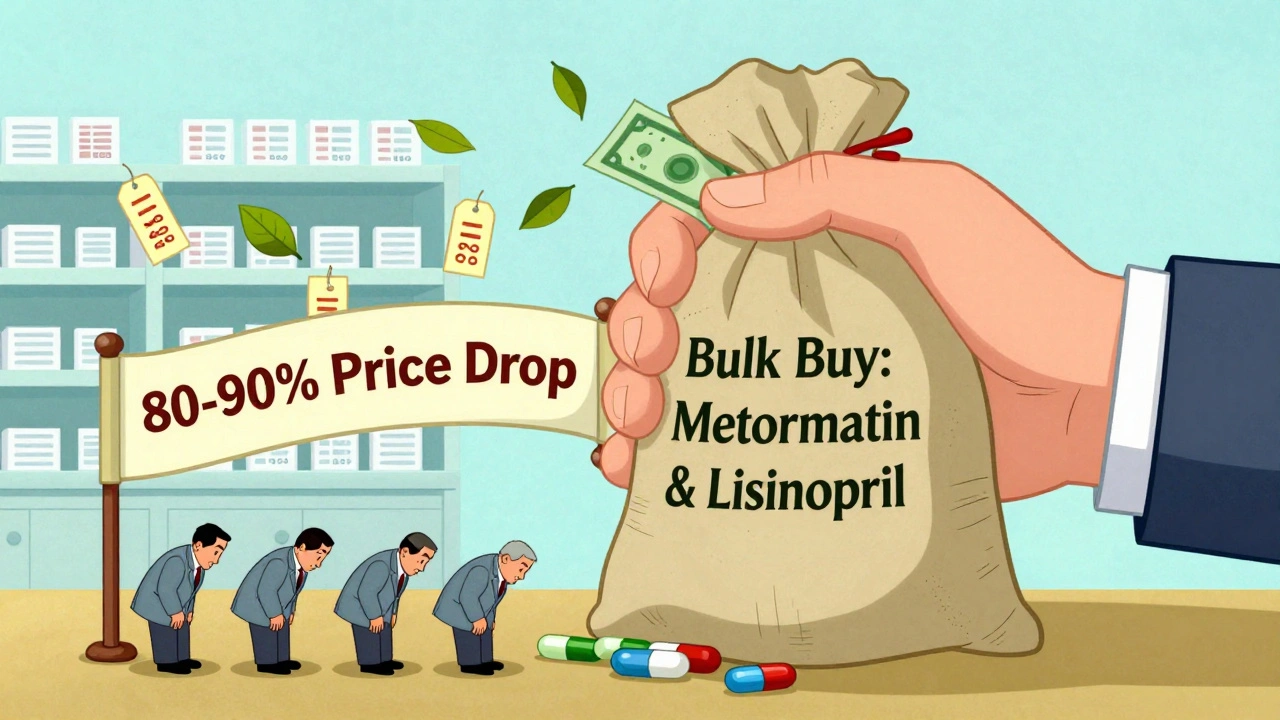
When you hear insurance generic savings, the money you save when your health plan covers a generic drug instead of a brand-name version. Also known as generic drug cost savings, it’s one of the biggest reasons your monthly prescription bill goes down—sometimes by 80% or more. This isn’t magic. It’s the result of a system designed to let cheaper versions of drugs enter the market once the original patent expires. The FDA approves these generics using the ANDA process, the Abbreviated New Drug Application system that lets manufacturers prove their drug works the same as the brand without redoing expensive clinical trials. That’s why a 30-day supply of generic lisinopril might cost $4 at your pharmacy while the brand version runs $50.
But formulary changes, when your insurance company updates which drugs it covers and at what cost tier can mess with those savings overnight. One month your generic metformin is on Tier 1 with a $5 copay. The next, it’s moved to Tier 3, and now you’re paying $45. Why? Sometimes it’s because the manufacturer raised prices, or the insurer struck a deal with a different brand. Other times, it’s because a new generic combination, a single pill that combines two drugs like blood pressure and cholesterol meds came out and the insurer wants you to switch. You don’t always get a heads-up. That’s why checking your plan’s formulary every few months matters—and why knowing how to appeal a coverage denial is just as important as knowing your meds.
Not all generics are created equal. Some face generic drug shortages, when manufacturing issues or low profit margins cause supply to drop. In 2025, over 270 generic drugs were in short supply across the U.S. That means even if your insurance says it covers the generic, the pharmacy might not have it. You could end up paying full price for the brand, or waiting weeks for a refill. And when that happens, antitrust laws, rules that block drug makers from paying generics to stay off the market become your silent backup. Without them, companies could delay generics for years by buying up competitors or filing fake patents. That’s how prices stay high—and why you’re not always getting the savings you’re supposed to.
So what do you actually control? You can ask your pharmacist if a generic is available. You can check your insurer’s website for formulary updates. You can request a tier exception if your generic was removed. You can report rare side effects through the FDA’s MedWatch system if something feels off—even if it’s a generic. And you can always ask your doctor: "Is there a cheaper option?" The system isn’t perfect, but insurance generic savings are real. You just have to know where to look, when to push back, and how to make sure your health doesn’t pay the price for corporate decisions.
Below, you’ll find real stories and practical guides on how generics work, how to handle coverage changes, what to do when your drug disappears from the shelf, and how to spot when a "generic" isn’t really saving you anything.