Insurance Formulary: What It Is, How It Controls Your Medication Costs
When you pick up a prescription, the price you pay isn’t just set by the drug company—it’s shaped by your insurance formulary, a list of medications approved and covered by your health plan. Also known as a drug formulary, it’s the hidden rulebook that determines whether you get your medicine at $5, $50, or $500. This isn’t just paperwork—it’s a financial gatekeeper. If your drug isn’t on the list, your insurer won’t pay, and you’re stuck with the full cost.
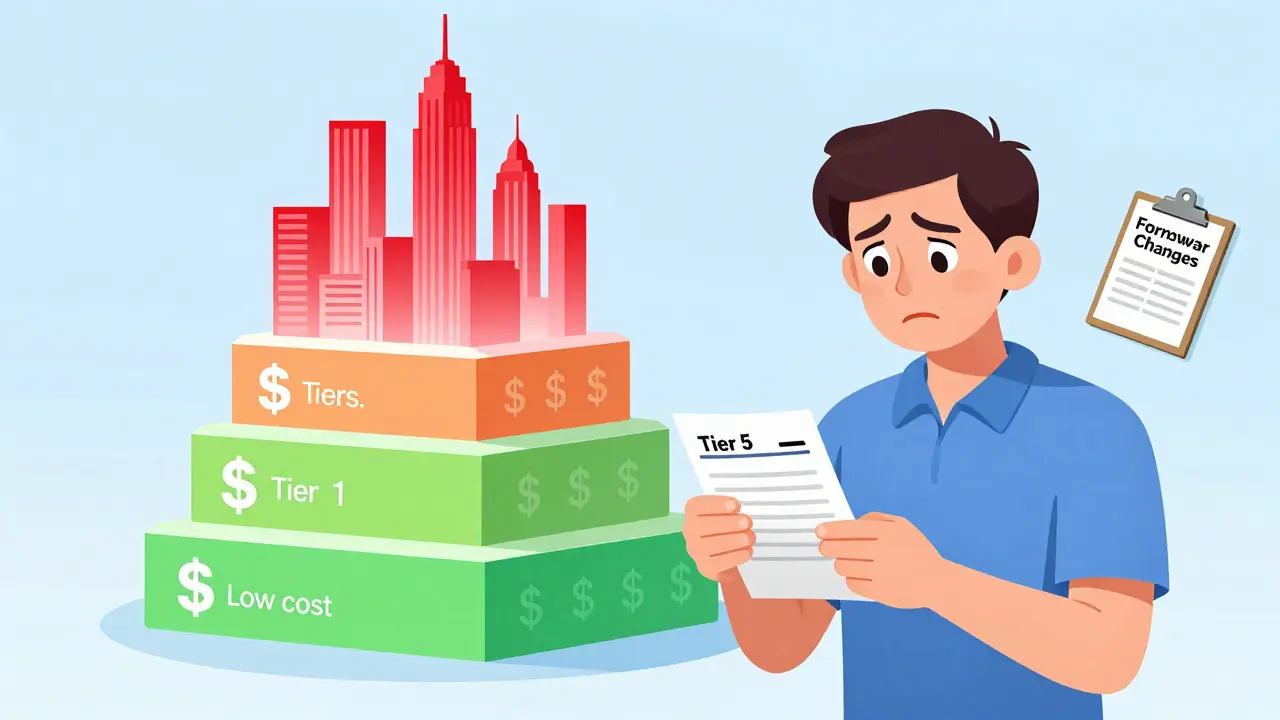
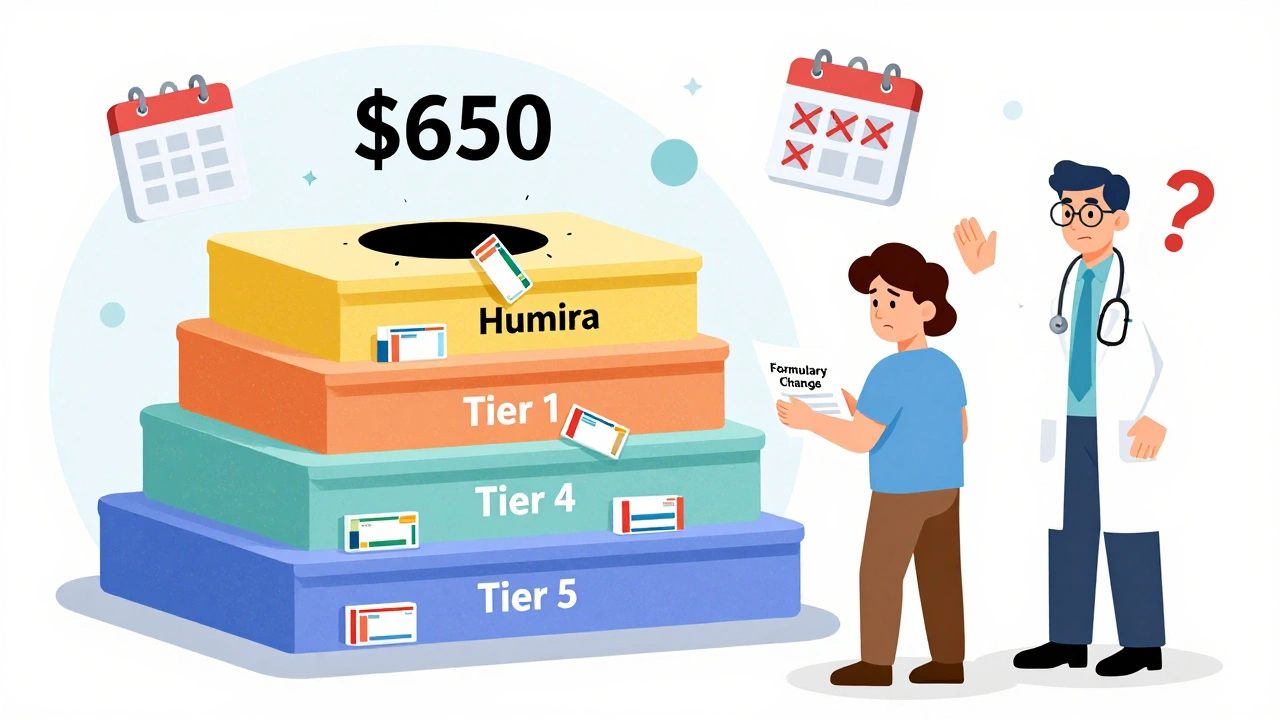
Formularies are divided into tiers, categories that group drugs by cost and preference. Tier 1 usually includes generic drugs like simethicone or levothyroxine—cheap, effective, and widely covered. Tier 2 might be brand-name versions or newer generics. Tier 3 and 4? Those are expensive specialty drugs, like Imatinib or AREDS2 vitamins, often requiring prior authorization. And if your drug is on Tier 5? You’re looking at hundreds, sometimes thousands, out of pocket. This system isn’t random. It’s built to push patients toward lower-cost options, often backed by studies showing generics work just as well.
But here’s the catch: formularies change. A drug you got last year might be dropped this year because a cheaper alternative came out, or because the insurer struck a deal with a different manufacturer. That’s why you’ll see posts here about generic drug shortages, when supply issues force insurers to swap medications, or how REMS programs, safety rules for high-risk drugs can lock a medication behind extra paperwork. Even the ANDA process, how the FDA approves generics, affects what ends up on your formulary. If a generic passes review, it’s more likely to be added. If it fails? The brand-name version stays the only option—and the cost stays high.
Some drugs get blocked not because they’re unsafe, but because they’re seen as unnecessary. That’s why you’ll find articles here explaining why antibiotics don’t help bronchitis, or why St. John’s Wort can interfere with birth control—insurers use those same facts to decide what to cover. They’re not being cruel; they’re following guidelines built on evidence, cost, and policy. But that doesn’t make it easier for you when your doctor prescribes something your plan won’t pay for.
What you’ll find in the posts below are real-world strategies to navigate this system. You’ll learn how to check your formulary before filling a script, how to appeal a denial, when to ask for a generic substitute, and how to spot when a drug shortage or regulatory change might hit your prescription. These aren’t theory pieces—they’re guides from people who’ve been turned away at the pharmacy counter and figured out how to get back in.