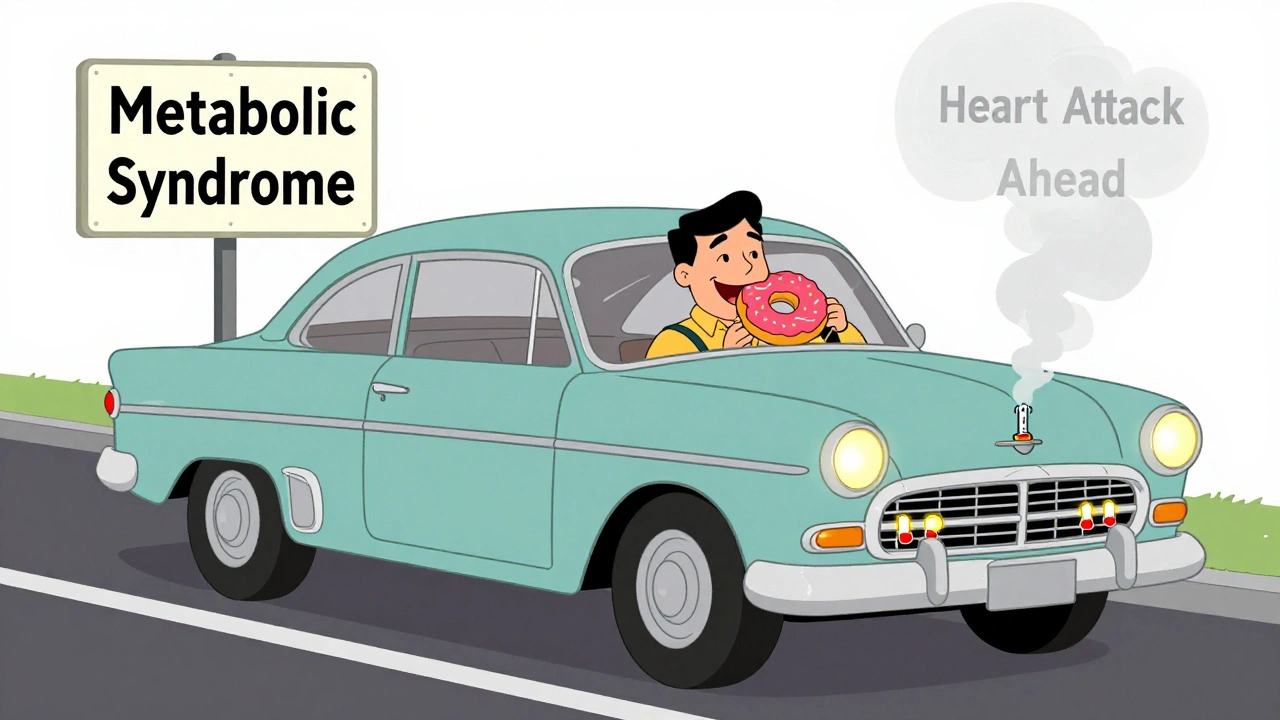
High Blood Pressure: What It Is, How It Affects You, and What You Need to Know
When your blood pushes too hard against your artery walls, you have high blood pressure, a chronic condition where force of blood flow is consistently too high, increasing risk of heart attack, stroke, and kidney damage. Also known as hypertension, it’s called the silent killer because most people don’t feel it until serious damage has already happened. About one in three adults in the U.S. has it, and many don’t even know.
Blood pressure medication, drugs prescribed to lower pressure and reduce strain on the heart and vessels is often needed, but it’s not a one-size-fits-all fix. Some people respond better to diuretics, others to ACE inhibitors or calcium channel blockers. What works for one person might cause side effects in another. That’s why checking in with your doctor, tracking your numbers at home, and understanding how your meds interact with other drugs—like antibiotics or herbal supplements—is critical. For example, some antibiotics can raise blood pressure, and St. John’s Wort can interfere with how your blood pressure pills work.
Cardiovascular health, the overall condition of your heart and blood vessels doesn’t just depend on pills. It’s shaped by sleep, stress, salt intake, and even how much caffeine you drink past noon. Poor sleep, like from drinking coffee too late, can nudge your blood pressure up. So can skipping regular check-ups. If you’re on meds like timolol for glaucoma or digoxin for heart rhythm, those can affect your heart too—and need careful monitoring. High blood pressure doesn’t live in isolation. It connects to kidney function, thyroid health, and even how your body handles inflammation.
You won’t find a magic cure in a supplement or a trendy diet. But you will find real, practical advice in the posts below: how to spot dangerous interactions between your meds, when to question a prescription change, how to read drug labels for hidden warnings, and what to do if your generic blood pressure pill suddenly disappears from the pharmacy shelf. These aren’t theory pieces. They’re based on real patient experiences, FDA alerts, and clinical guidelines. Whether you’re just starting to manage your numbers or have been dealing with this for years, the information here helps you take control—not just follow orders.