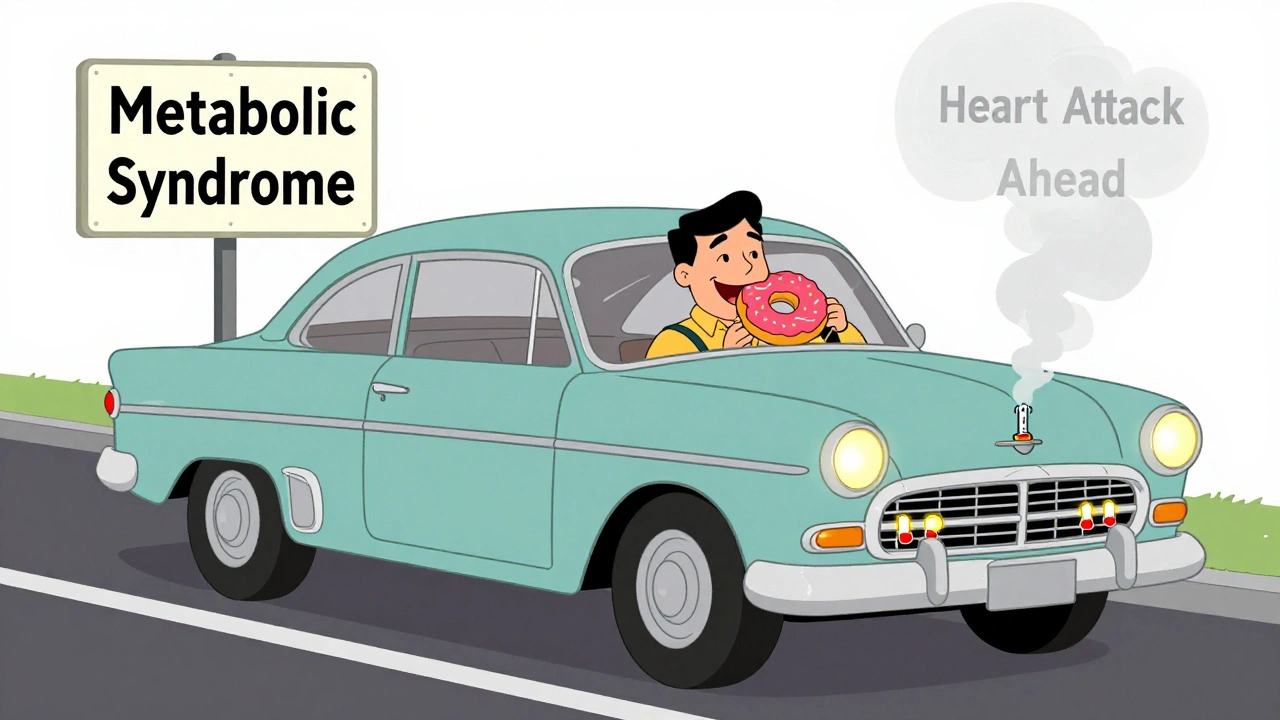
Heart Disease Risk: What Actually Increases It and How to Reduce It
When we talk about heart disease risk, the likelihood of developing conditions like coronary artery disease, heart failure, or arrhythmias due to biological, behavioral, or pharmaceutical factors. Also known as cardiovascular risk, it’s not just about eating too much salt or being out of shape. It’s also shaped by the medications you take, how your body reacts to them, and whether you’re aware of the subtle signals your body sends before something serious happens.
Many people think heart disease risk is mostly genetic or tied to old age—but that’s only part of the story. Certain drugs, like fluoroquinolones, a class of antibiotics including ciprofloxacin that can weaken tendons and indirectly strain the heart through inflammation and stress responses, have been linked to increased cardiovascular events in vulnerable groups. Even digoxin, a common heart failure medication with a narrow safety window, can become dangerous if blood levels aren’t monitored, leading to arrhythmias that mimic or trigger heart disease. And let’s not forget how statins, cholesterol-lowering drugs often prescribed to reduce heart disease risk, are sometimes wrongly blamed for causing other issues—like ALS—when the real danger lies in stopping them without medical advice. These aren’t random side effects. They’re part of a larger system where medication safety, patient monitoring, and individual biology all intersect.
What you don’t see on a prescription label can be just as important as what’s written there. FDA safety announcements, official alerts about potential drug risks that may not yet be fully understood, often get buried under noise. But when they mention a rise in heart-related events tied to a drug, it’s not a rumor—it’s data. And if you’re on long-term meds, especially for conditions like high blood pressure, diabetes, or thyroid disorders, your risk profile changes over time. That’s why checking in with your doctor isn’t just routine—it’s protective. You might think your blood pressure is under control, but if you’re also taking something that affects kidney function or electrolyte balance, you’re playing with fire.
Heart disease risk isn’t one thing. It’s a chain: poor sleep from caffeine too late, ignored thyroid changes after pregnancy, skipping eye exams while on timolol, or not realizing a herbal supplement like St. John’s Wort is messing with your blood thinner. The posts below dig into each of these links. You’ll find real-world examples of how medications, monitoring gaps, and overlooked symptoms stack up to create real danger. No fluff. No guesses. Just what actually moves the needle on your heart health—and what you can do about it right now.