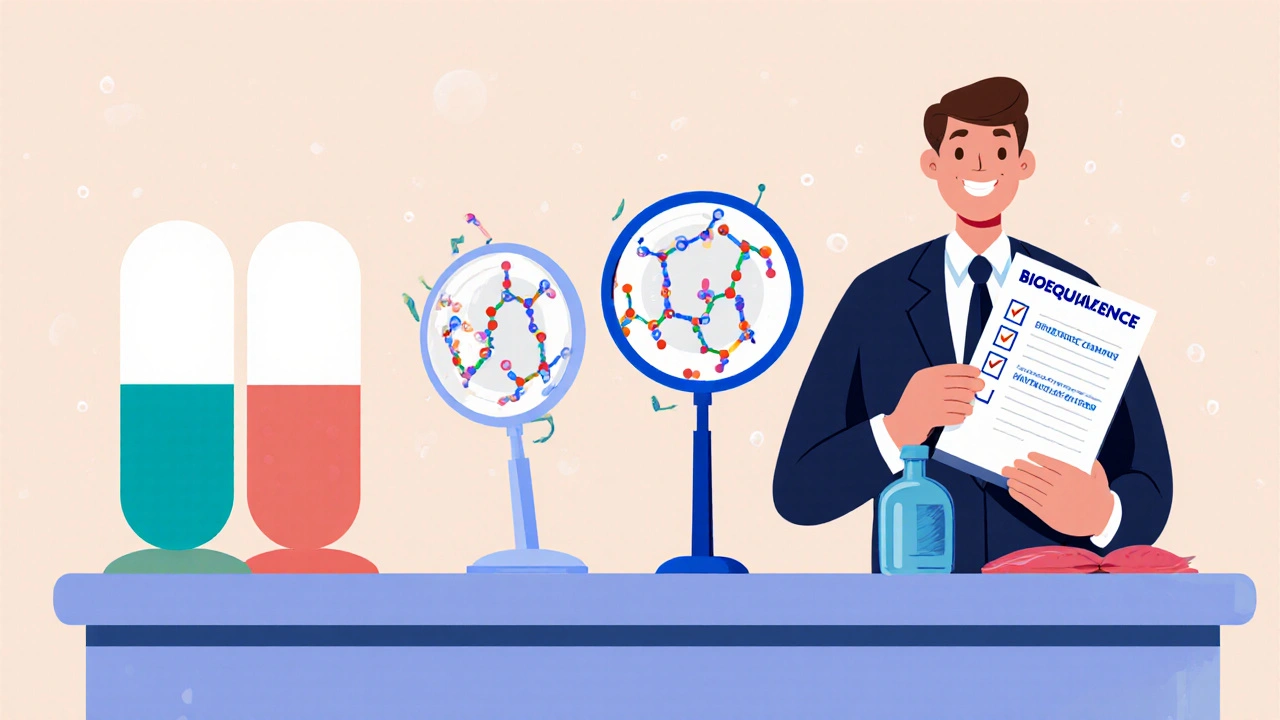
Generic vs Brand Medications: What Really Matters for Your Health and Wallet
When you pick up a prescription, you might see two options: a colorful box with a famous name, or a plain bottle labeled with a chemical-sounding name. The generic drugs, medications that contain the same active ingredient as brand-name drugs but are sold without a brand name after the patent expires. Also known as non-brand drugs, they are legally required to work the same way, in the same amount, and with the same safety profile as their brand-name counterparts. So why do they cost so much less? It’s not because they’re cheaper to make—it’s because companies making generics don’t have to spend millions on advertising, clinical trials, or patent protection. The real difference isn’t in the medicine. It’s in the price tag.
The FDA approval, the process the U.S. Food and Drug Administration uses to ensure generic drugs are as safe and effective as brand-name versions. Also known as ANDA process, it requires every generic to prove it delivers the same amount of active ingredient into your bloodstream at the same rate as the original. That’s called bioequivalence. If a generic doesn’t meet this standard, it doesn’t get approved. You won’t find a generic version of a drug on your pharmacy shelf unless it’s been tested, reviewed, and cleared by the FDA. And yet, some people still worry—maybe because they’ve heard stories about side effects changing, or because the pill looks different. But those changes? They’re in the fillers, the color, the shape—not the medicine that actually works. The active ingredient is identical.
The brand name drugs, medications developed and marketed by pharmaceutical companies under a proprietary name, often protected by patents. Also known as innovator drugs, they carry the cost of research, marketing, and patent enforcement. That’s why they cost 10 to 20 times more than generics. But once the patent runs out, other companies can step in and make the same drug. That’s when competition kicks in—and prices drop. This isn’t theory. It’s fact. In 2025, over 90% of prescriptions filled in the U.S. are for generics. And for most people, that’s the smart, safe choice. But here’s the catch: when generic drug manufacturing gets disrupted—because of supply chain issues, low profit margins, or antitrust practices like pay-for-delay deals—shortages happen. That’s when brand-name drugs become the only option, and prices spike again. You don’t want to be stuck paying more because the system broke down.
So what should you do? Always ask your pharmacist: Is there a generic? If you’re switching from brand to generic, watch for changes in how you feel—but don’t assume it’s the drug. It could be the filler, your stress, or something else. If you have a serious condition like epilepsy, heart failure, or thyroid disease, your doctor might want to monitor you closely after a switch. But for the vast majority of medications—antibiotics, blood pressure pills, antidepressants, statins—the generic is just as reliable. The FDA doesn’t cut corners. The companies making generics aren’t cutting corners either. They’re just not paying for flashy ads.
What you’ll find below are real stories, real data, and real advice from people who’ve been there: from how to spot a bad batch of generic meds, to why some drugs don’t have generics yet, to how antitrust laws protect your access to affordable pills. These aren’t abstract concepts. They’re daily decisions that affect your health, your wallet, and your peace of mind. Let’s cut through the noise and get you the facts you need to make the right call.