Formulary Changes: What They Mean for Your Medications and How to Stay Informed
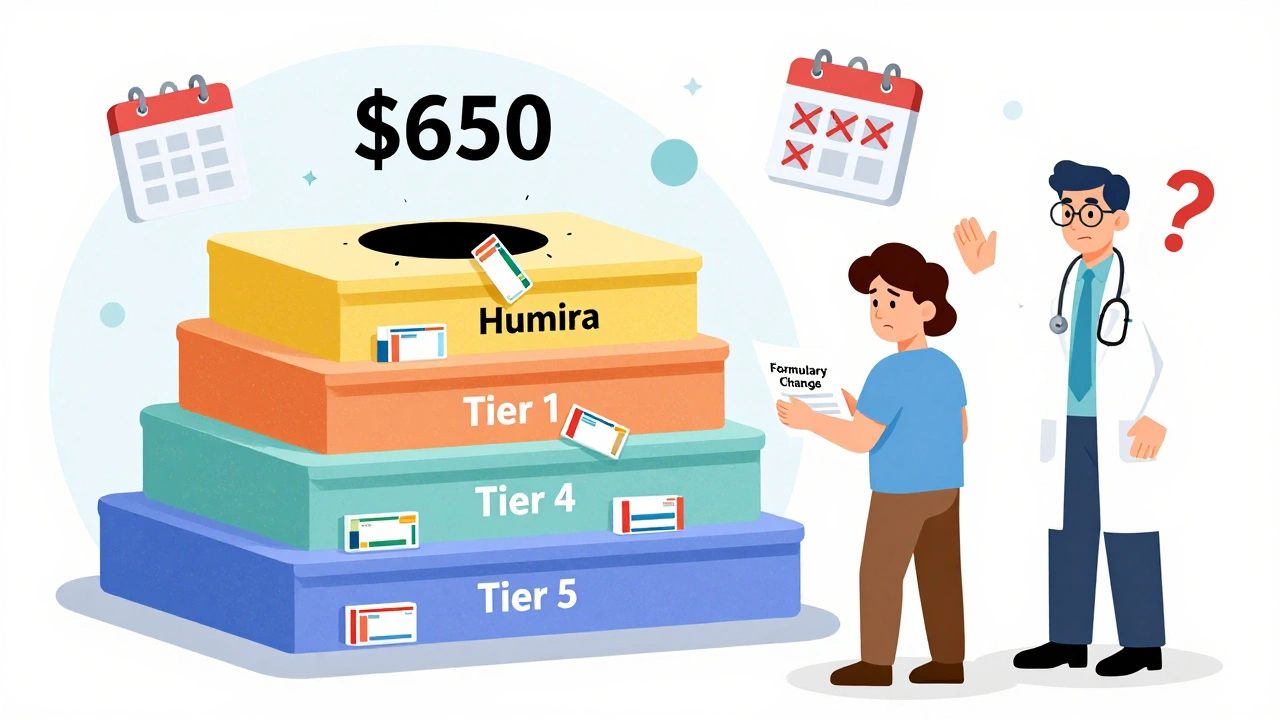
When your insurance company makes a formulary change, a list of medications approved for coverage under a health plan. Also known as a drug list, it determines which prescriptions your plan will pay for—and which ones might cost you more or require extra steps to get. These aren’t just administrative updates. A single formulary change can mean switching from a drug you’ve been taking for years to a different one, facing a higher copay, or even being denied coverage altogether. It’s one of the most overlooked but impactful forces in your daily health routine.
Formulary changes are driven by several things: new generic drugs hitting the market, price negotiations between insurers and drugmakers, safety alerts from the FDA, or even pressure from pharmacy benefit managers trying to cut costs. For example, if a brand-name drug gets a generic version approved through the ANDA process, the FDA’s pathway for approving generic drugs without repeating clinical trials, your insurer might drop the brand from the formulary overnight. Or if a drug like St. John’s Wort, a herbal supplement known to interfere with birth control, blood thinners, and antidepressants, is found to cause dangerous interactions, it might be restricted or removed. These decisions are often made behind closed doors, but they directly affect your access to treatment.
Not all formulary changes are bad. Sometimes, a switch means you get a cheaper, equally effective version of your medicine. But other times, it’s a hidden cost. You might not find out until you go to fill your prescription and the pharmacist says, "We can’t cover that anymore." That’s why staying informed matters. Check your plan’s formulary list every few months—especially if you take multiple medications. Look for terms like "prior authorization," "step therapy," or "quantity limits" next to your drugs. These are red flags that your access might be restricted. If you’re on a medication that’s being removed, talk to your doctor early. They can often request an exception or suggest an alternative that’s still covered.
Formulary changes don’t happen in isolation. They’re tied to bigger issues like generic drug shortages, when supply chain problems or low profits cause essential medications to disappear from shelves, or REMS programs, FDA-mandated safety systems that can limit access to high-risk drugs. These systems were meant to protect patients, but they can also create barriers. If your drug is part of a REMS program, your pharmacy might need special certification to dispense it, and your insurer might use that as an excuse to drop coverage.
The posts below give you real, practical ways to navigate these changes. You’ll find guides on how to read your drug label warnings, when to report side effects from generics, how to safely order meds overseas, and how to challenge a denial from your insurer. There’s no fluff here—just clear steps to keep your treatment on track, even when the rules keep shifting. Whether you’re managing a chronic condition, juggling multiple prescriptions, or just trying to understand why your copay jumped, you’ll find what you need below.