Fluoroquinolones: What You Need to Know About This Antibiotic Class
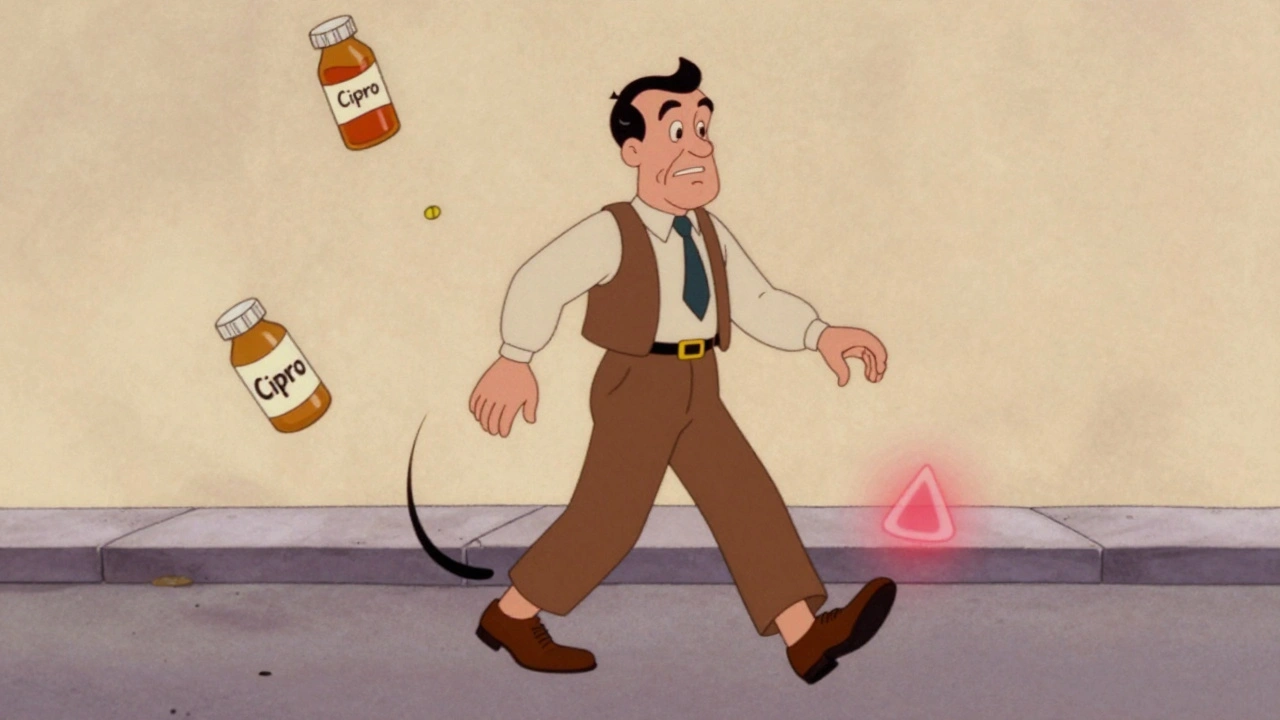
When doctors prescribe fluoroquinolones, a class of broad-spectrum antibiotics used to treat serious bacterial infections like pneumonia, urinary tract infections, and certain types of skin infections. Also known as FQs, these drugs work by stopping bacteria from reproducing—but they don’t come without risks. Unlike many antibiotics, fluoroquinolones can cause serious, sometimes permanent side effects that show up weeks or even months after you stop taking them.
The FDA black box warning, the strongest safety alert the agency can issue for fluoroquinolones covers tendon ruptures, nerve damage, and worsening of myasthenia gravis. These aren’t rare side effects—they’re well-documented and serious enough that the FDA now says these drugs should only be used when no other options work. Even then, patients with kidney issues, older adults, and those on steroids are at higher risk. The antibiotic resistance, the growing problem where bacteria evolve to survive drug treatment has also made fluoroquinolones less reliable over time, pushing doctors to use them more sparingly.
What you won’t always hear is that fluoroquinolones are often overprescribed for minor infections like sinusitis or bronchitis—conditions that usually clear up on their own. The bacterial infections, the target of these drugs, are sometimes viral or self-limiting, meaning the risks of the antibiotic outweigh the benefits. That’s why many of the posts below focus on alternatives, how to spot real side effects, and when to push back if a fluoroquinolone is your first option.
You’ll find real stories here—about people who had tendon pain after a simple UTI treatment, others who developed nerve damage from a course meant to last a week, and how some patients found safer, equally effective treatments. These aren’t hypotheticals. They’re cases that led to changes in prescribing guidelines. If you’ve been prescribed a fluoroquinolone, or know someone who has, this collection gives you the facts to ask the right questions—and know when to say no.