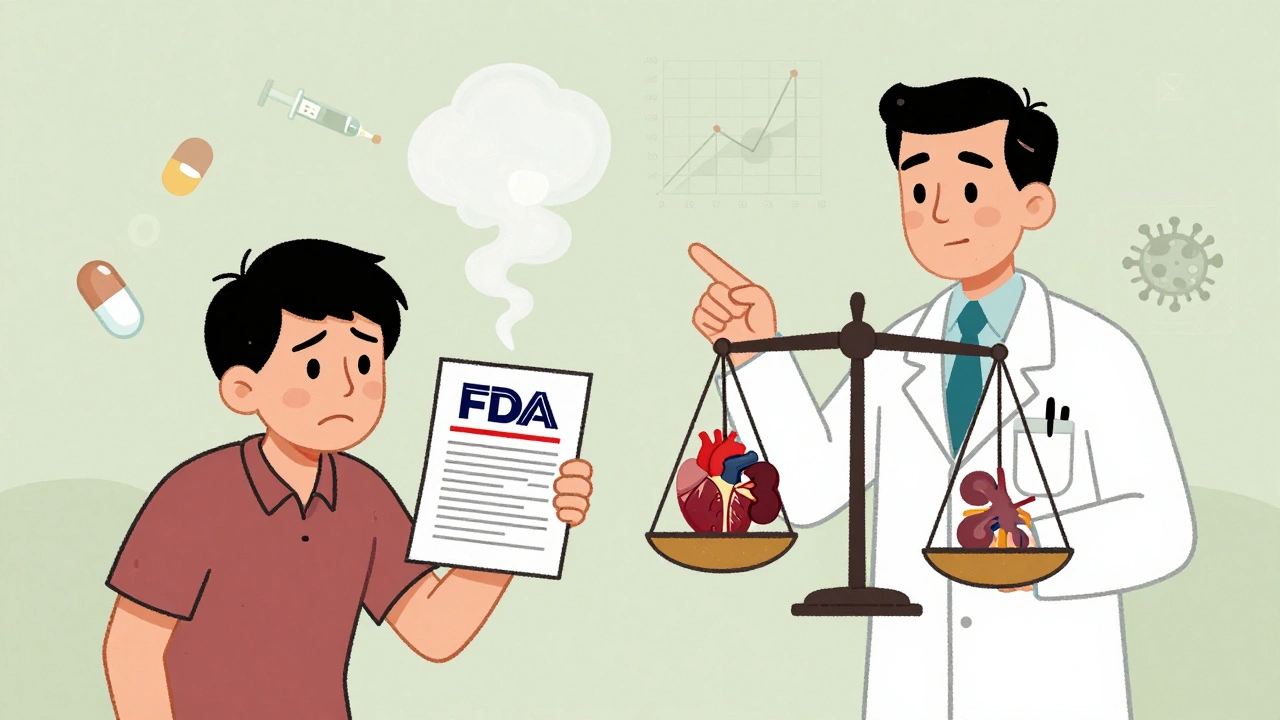
FDA Safety Announcements: What You Need to Know About Drug Risks and Alerts
When the FDA safety announcements, official warnings issued by the U.S. Food and Drug Administration to alert the public about serious risks tied to medications. Also known as drug safety alerts, these notices are the last line of defense when a medication proves more dangerous than originally thought. They don’t come often—but when they do, they can save lives.
These alerts often tie into adverse drug reactions, unintended and harmful responses to medications that range from rashes to heart failure, which are tracked through systems like MedWatch. Many of the posts here show how side effects aren’t always obvious—like how St. John’s Wort can wreck birth control, or how valerian adds up with sedatives to slow breathing. medication risks, the hidden dangers built into prescriptions and even over-the-counter drugs aren’t just listed on tiny print—they’re why the FDA steps in. REMS programs, deficiency letters in generic applications, and drug shortage reports all feed into the bigger picture: safety isn’t automatic, it’s monitored, challenged, and sometimes, desperately patched.
What you’ll find below isn’t just a list of articles. It’s a practical guide to spotting trouble before it hits. You’ll learn how to read FDA warnings on labels, when to report a rare reaction, why generic drugs can still cause harm, and how to protect yourself when a drug gets pulled. These aren’t theoretical concerns. People have lost vision from skipped eye exams on timolol. Others have overdosed because they didn’t double-check pill strength. The FDA doesn’t always act fast enough—but you can act smarter. Whether you’re taking digoxin, statins, or just a common painkiller, knowing how these alerts work means you’re not just a patient—you’re part of the safety net.