Drug Side Effects: What They Are, How to Spot Them, and What to Do
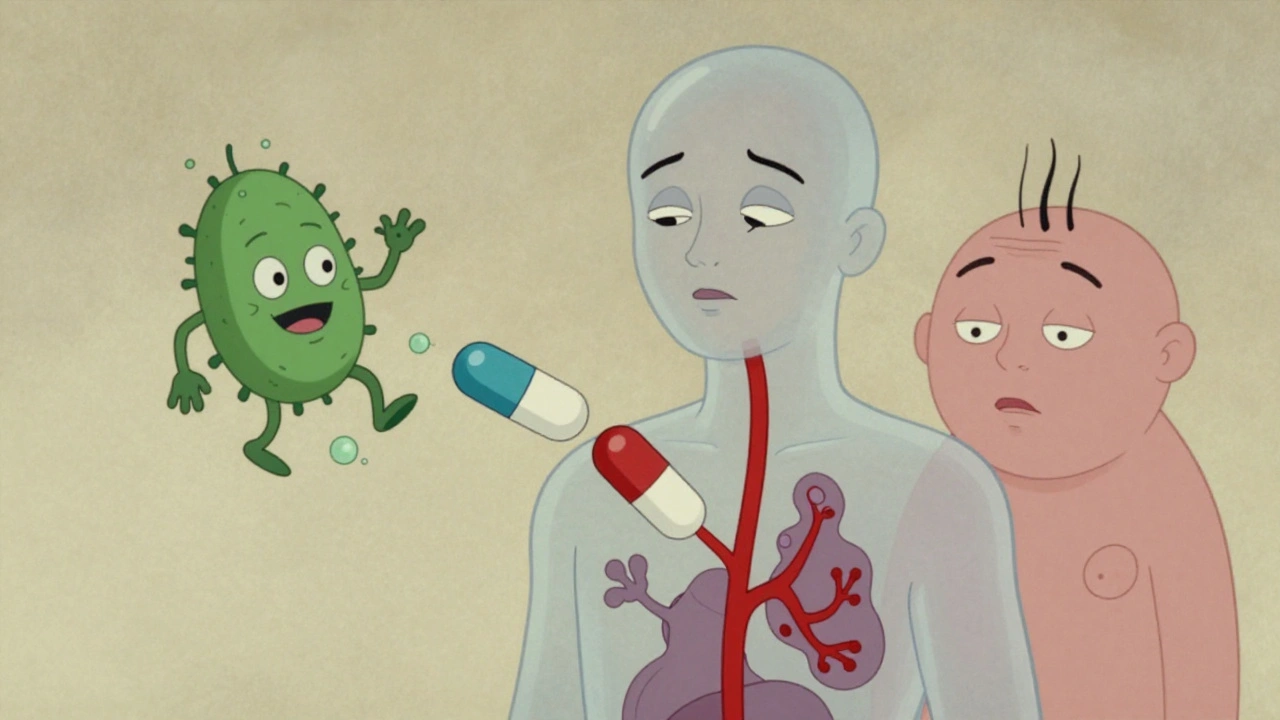
When you take a medication, your body doesn’t just react to the part meant to help—it responds to everything else in the pill too. That’s where drug side effects, unintended physical or mental reactions caused by medications. Also known as adverse drug reactions, these are common, often predictable, and usually mild—but sometimes they’re not. Think of them like the background noise in a song: you didn’t plan to hear it, but it’s there. Some people get a dry mouth from blood pressure pills. Others feel dizzy after antibiotics. A few get rashes or stomach cramps. These aren’t always signs something’s wrong—they’re just how the drug interacts with your system.
But not every reaction is a side effect. There’s a big difference between a drug allergy, an immune system response that can be life-threatening and a medication intolerance, a non-immune reaction that causes discomfort but isn’t dangerous. A true allergy means your body sees the drug as an invader. That can trigger swelling, trouble breathing, or anaphylaxis. Intolerance? That’s more like feeling nauseous after ibuprofen because your stomach is sensitive. One needs emergency care. The other just means you need a different pill. And then there’s the FDA’s FDA drug safety, the system that tracks, evaluates, and communicates risks from medications—it’s why you see alerts on TV or in your pharmacy. These aren’t scare tactics. They’re updates based on real reports from people like you.
What you’ll find in these posts isn’t a list of scary symptoms. It’s a practical guide to understanding what your body is telling you. You’ll learn how to read a drug label so you know what to watch for. You’ll see how to tell if that headache is just a side effect or something worse. You’ll find out why some people react to generics differently—and why that’s not always a problem. You’ll learn how to report a rare reaction so others stay safe. And you’ll see real examples: how St. John’s Wort can mess with birth control, why statins don’t cause ALS, and how a simple pharmacy check can prevent a deadly dose. These aren’t theories. These are stories from real patients and doctors who’ve been there.
If you’ve ever looked at a medication bottle and wondered, ‘Is this normal?’—you’re not alone. Side effects are part of taking medicine. But knowing how to respond makes all the difference. The posts below give you the tools to spot the red flags, ignore the noise, and talk to your doctor with confidence.