
Drug Side Effect Frequency Checker
Check the real-world frequency of side effects for common medications based on medical research data. Note: This tool shows general frequency data only and does not replace medical advice.
Every time you take a pill, injection, or patch, your body doesn’t just respond to what the drug is meant to do-it also reacts in ways you might not expect. These unexpected reactions are called drug side effects. They’re not always bad. Sometimes they’re annoying. Other times, they’re serious. And in rare cases, they can even be helpful. Understanding what they are, why they happen, and how common they really are can help you make smarter choices about your health.
What Exactly Is a Drug Side Effect?
A drug side effect is any effect caused by a medication that isn’t the main reason you took it. The U.S. Food and Drug Administration (FDA) defines it simply as an unwanted, undesirable effect that’s possibly related to a drug. That’s it. No need to overcomplicate it.
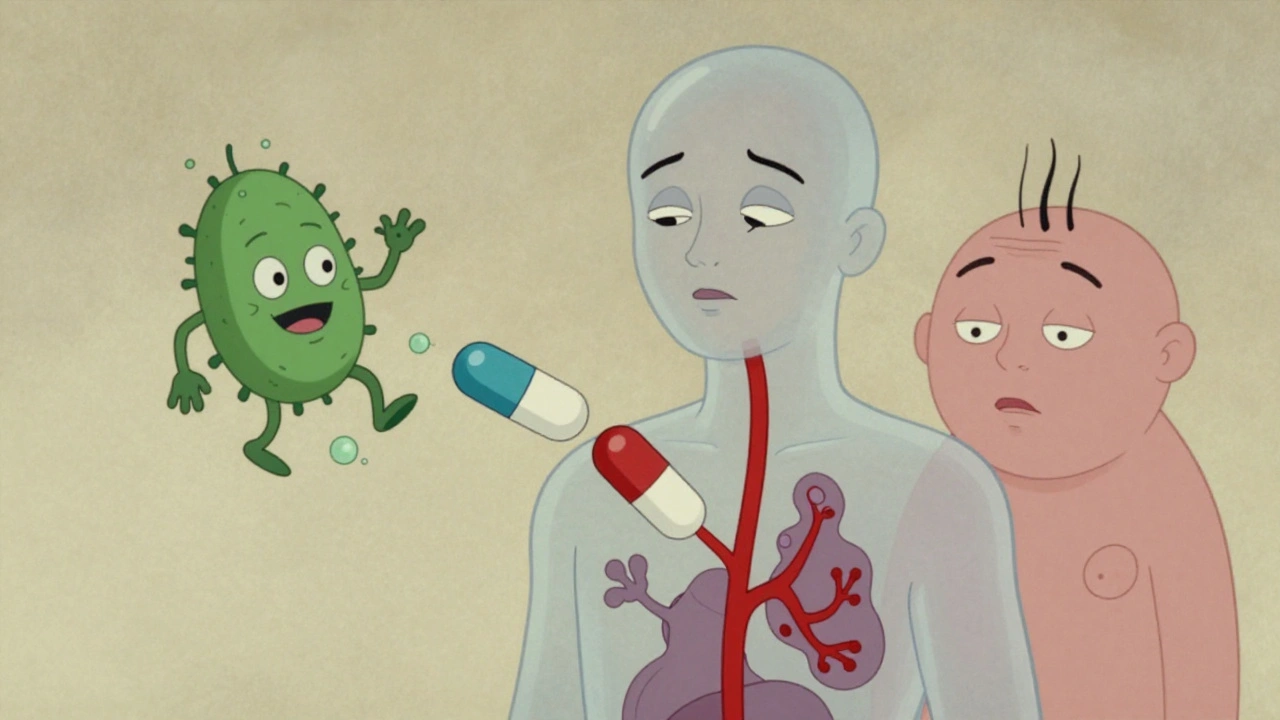
Think of it like this: You take an antibiotic to kill a throat infection. Good. But the same antibiotic also wipes out good bacteria in your gut. Now you have diarrhea. That’s a side effect. It wasn’t the goal, but it happened anyway.
Not all side effects are harmful. Some are neutral-like feeling slightly drowsy after taking an antihistamine. Others can even be beneficial. For example, the drug finasteride was originally developed to treat enlarged prostates, but many men noticed their hair started growing back. That’s a beneficial side effect. Minoxidil, used for high blood pressure, was later repurposed for hair loss because users kept reporting thicker scalp hair. Side effects aren’t just accidents-they’re clues.
The key difference between a side effect and an allergic reaction? Side effects are predictable based on how the drug works. Allergies are immune system overreactions-rash, swelling, trouble breathing-and can happen even if you’ve taken the drug before without issue.
Why Do Side Effects Happen?
Drugs don’t pick and choose where they act in your body. They travel through your bloodstream and interact with cells wherever they find matching receptors. That’s how they work-but it’s also how they cause trouble.
Take beta-blockers, used for high blood pressure and heart conditions. They slow your heart rate-that’s the goal. But they also block receptors in your lungs. If you have asthma, that can trigger wheezing or shortness of breath. Same drug. Same mechanism. Different organ. That’s why Dr. Jerry Avorn from Harvard says, “Many side effects are just therapeutic effects in the wrong tissue.”
There are two main types of side effects, based on how they behave:
- Type A (Predictable): These make up 85-90% of all side effects. They’re dose-dependent-take more, get more. Examples: nausea from antibiotics, dizziness from blood pressure meds, dry mouth from antidepressants. They’re annoying, but usually not dangerous.
- Type B (Unpredictable): These are rare (10-15%) and not tied to dosage. They’re often immune-related or genetic. Think severe skin reactions, liver damage, or sudden heart rhythm changes. These are harder to spot before they happen.
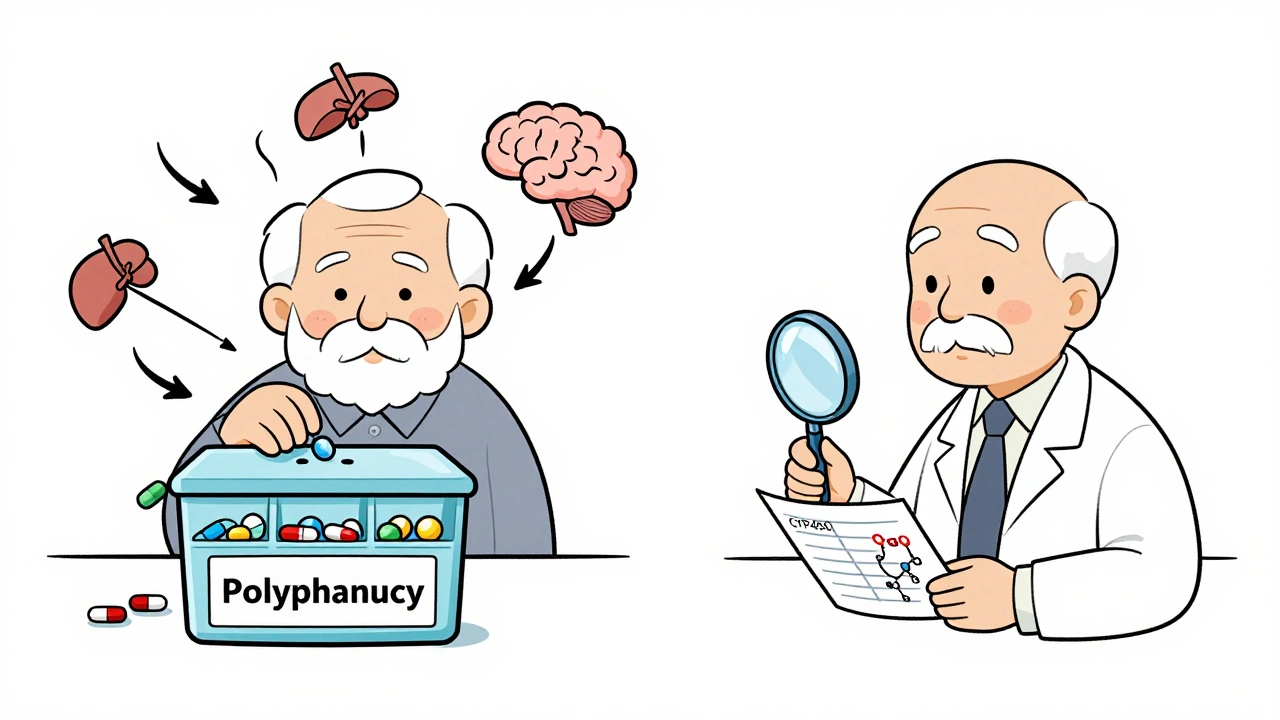
Age matters. People over 65 are 3 to 5 times more likely to have serious side effects. Why? Their kidneys and liver don’t clear drugs as fast. Their bodies have less water and more fat, which changes how drugs are absorbed. And most older adults take five or more medications-a mix that can clash in unpredictable ways.
Genetics play a huge role too. About 40-95% of people have variations in liver enzymes (like CYP450) that change how quickly they break down drugs. Someone with a slow-metabolizer version of CYP2C19 might not respond to clopidogrel (a blood thinner), putting them at risk for a heart attack. Someone with a fast version might clear the drug too quickly, needing a higher dose. That’s why pharmacogenetic testing is now being used before prescribing certain cancer drugs like tamoxifen.
Other triggers? Starting a new drug. Stopping one. Changing the dose. Even eating grapefruit can interfere with how your body processes some medications.
How Common Are Side Effects? The Numbers You Won’t See on the Label
Drug labels list every side effect ever reported-even if it happened to just one person in a trial of 10,000. That’s why you’ll see a 10-page insert with 50+ side effects. But here’s the truth: most people don’t get most of them.
The European Medicines Agency and WHO use clear categories to show how often side effects actually occur:
- Very common: Affects 1 in 10 or more people
- Common: 1 in 10 to 1 in 100
- Uncommon: 1 in 100 to 1 in 1,000
- Rare: 1 in 1,000 to 1 in 10,000
- Very rare: Less than 1 in 10,000
For example:
- NSAIDs like ibuprofen cause stomach irritation in 15-30% of regular users.
- Antibiotics like amoxicillin lead to diarrhea in 5-30% of people.
- Doxycycline causes sun sensitivity in about 10% of users.
- Chemotherapy causes nausea in 30-90% of patients, depending on the drug.
- Immune checkpoint inhibitors (used in cancer) trigger immune-related side effects in 60-85% of patients.
But here’s the kicker: 62% of people who stop statins because of muscle pain don’t actually have a drug reaction. In controlled studies, they had the same pain when given a sugar pill. That’s the nocebo effect-expecting side effects makes you more likely to feel them.
Real Examples: From Annoying to Life-Threatening
Let’s look at some real-world side effects you might actually encounter:
- NSAIDs (ibuprofen, naproxen): Stomach ulcers, kidney damage, increased blood pressure. Regular users have a 1 in 5 chance of developing gastritis.
- Antibiotics (clindamycin, ciprofloxacin): Can cause C. diff infection-a severe, sometimes deadly diarrhea. Risk is highest after prolonged use.
- Antidepressants (SSRIs): Sexual dysfunction in up to 70% of users. Weight gain, insomnia, and emotional blunting are also common.
- SGLT2 inhibitors (for diabetes): Linked to a 1.77x higher risk of toe or foot amputations, based on the CANVAS trial. The FDA added a boxed warning in 2022.
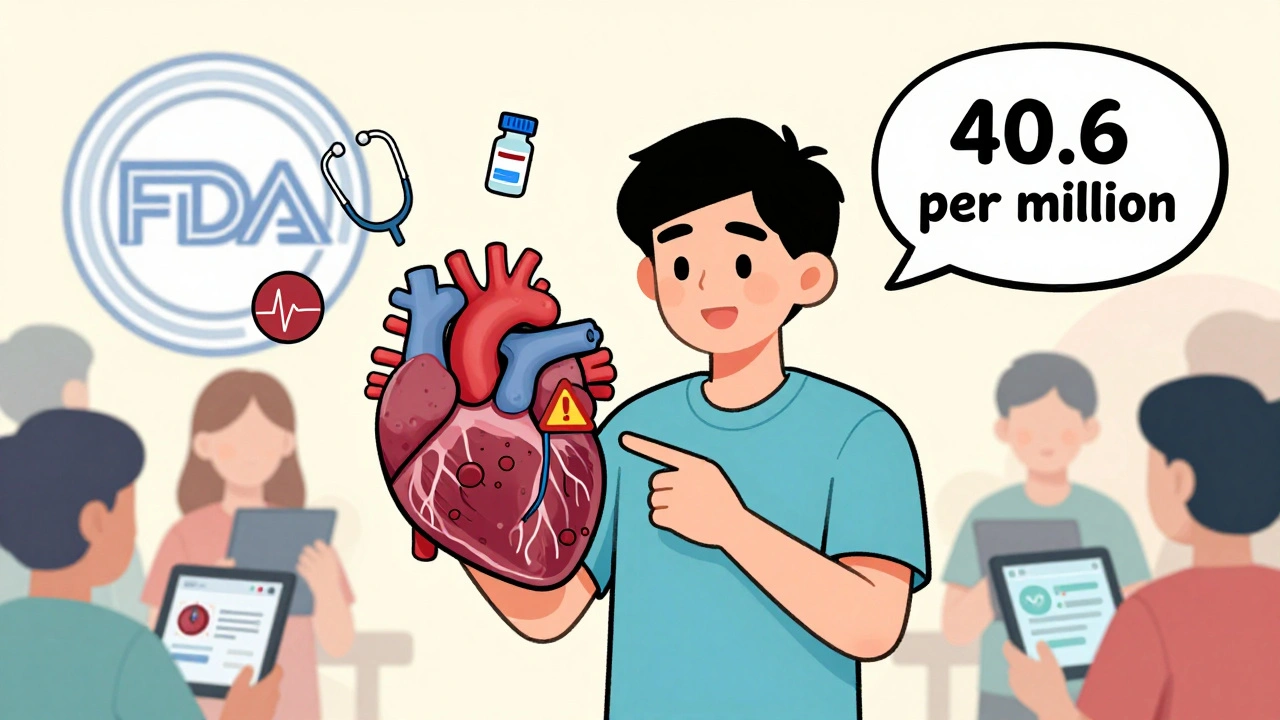
- COVID-19 mRNA vaccines: Myocarditis (heart inflammation) occurred in about 40.6 cases per million second doses in young men aged 12-29. Most cases were mild and resolved quickly.
- Chemotherapy drugs: Hair loss, fatigue, nerve damage, and long-term organ damage are well-known. But many patients say the trade-off is worth it.
Some side effects are so common they’re almost expected. Take minoxidil for hair loss. Up to 20% of women develop fine facial hair. In a 2023 study, 78% of users said it was an acceptable trade-off for regrowing scalp hair. That’s not a failure-it’s a choice.
What You Should Do When You Experience a Side Effect
Don’t panic. Don’t stop cold turkey. But don’t ignore it either.
First, ask yourself: Is this new? Did it start after I began the drug? Did it get worse when I changed the dose? If yes, it’s likely related.
Then, check the severity:
- Mild: Dry mouth, mild nausea, drowsiness. These often fade after a few days as your body adjusts.
- Moderate: Persistent diarrhea, dizziness, rash. Talk to your doctor. You might need a dose change or alternative.
- Severe: Trouble breathing, chest pain, swelling of face/throat, sudden weakness, yellow skin (jaundice). Go to the ER. These need immediate attention.
Use tools like the FDA’s MedWatcher app (updated October 2023) to report side effects in real time. Over 22 million reports are in the FDA’s database-and each one helps improve safety for everyone.
For older adults, the Beers Criteria® 2023 lists 30 drugs to avoid or use with extreme caution. These include benzodiazepines, anticholinergics, and certain painkillers that increase fall risk or confusion.
And if you’re on five or more medications? Ask your pharmacist for a medication review. Polypharmacy increases side effect risk by 88%.
How the System Keeps You Safe
Drug companies don’t get to say, “We think this is safe.” They have to prove it. Every approved drug must show its benefits outweigh its risks. But risks aren’t always found in clinical trials-those involve healthy volunteers or specific patient groups. Real-world use is where the full picture emerges.
That’s why agencies like the FDA and EMA run pharmacovigilance systems. The FDA’s FAERS database has over 22 million reports. The EU’s EudraVigilance processed 1.7 million in 2022 alone. These systems catch things trials miss-like rare heart issues in young men after mRNA vaccines, or amputation risks with SGLT2 inhibitors.
Now, AI is stepping in. The FDA’s new AI pilot projects can predict NSAID-related stomach damage with 82% accuracy by analyzing electronic health records. The NIH’s All of Us program has already found 47 genetic variants linked to unexpected drug responses. This isn’t science fiction-it’s happening now.
And patients are part of the system. A 2023 Consumer Reports survey found 57% of people thought every side effect listed would happen to them. That’s fear-driven misinformation. The truth? Most side effects are rare or mild. But your experience matters. Reporting even a small issue helps protect others.
Bottom Line: Side Effects Are Part of Medicine
There’s no such thing as a perfect drug. Every treatment comes with trade-offs. The goal isn’t to avoid side effects entirely-it’s to understand them, manage them, and weigh them against the benefits.
If you’re worried about a side effect, talk to your doctor or pharmacist. Don’t guess. Don’t Google. Don’t quit without advice. Use the data: frequency, severity, timing. Ask, “Is this common? Is this dangerous? Is there a better option?”
Medicine isn’t about zero risk. It’s about informed choice. And knowing the difference between a harmless side effect and a warning sign? That’s power.





Comments (14)