Drug Safety Monitoring: How to Track Side Effects and Stay Protected
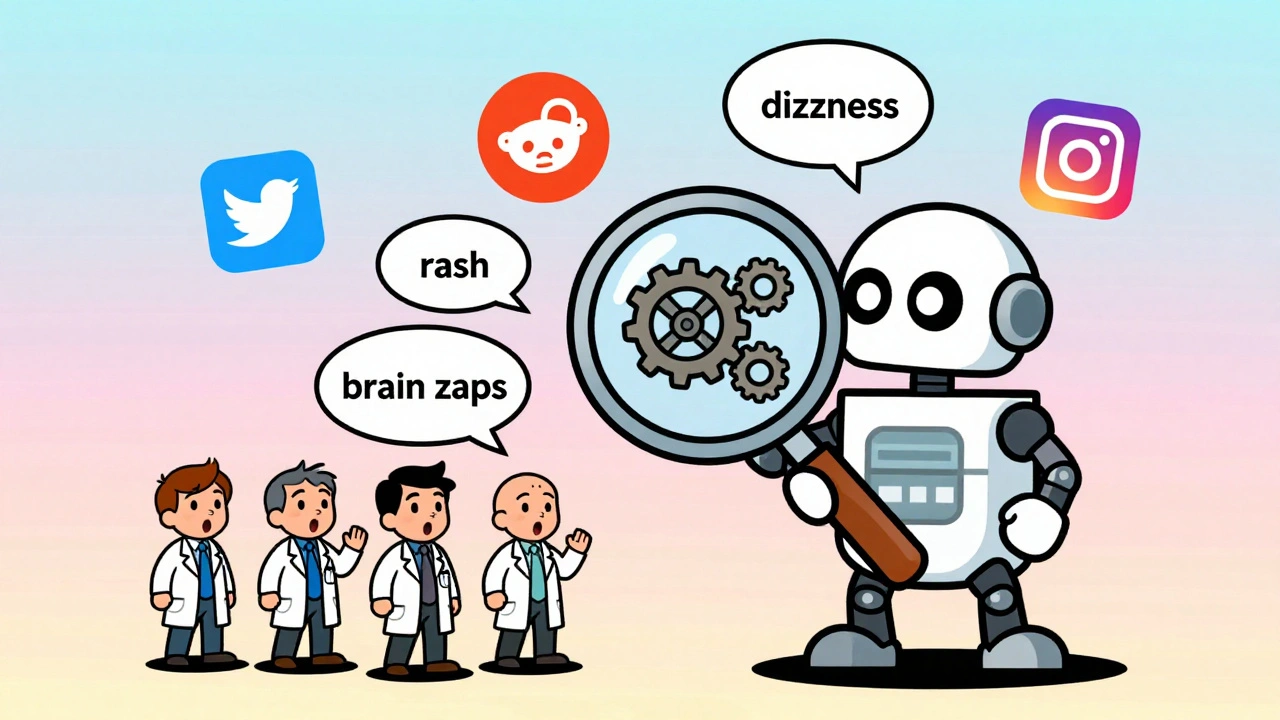
When you take a medication, drug safety monitoring, the ongoing process of tracking harmful reactions to medicines after they’re approved. Also known as pharmacovigilance, it’s the system that catches dangers doctors and manufacturers might miss during clinical trials. Most side effects show up in the first few months, but some—like tendon ruptures from antibiotics or thyroid changes after pregnancy—show up months or years later. That’s why drug safety monitoring doesn’t stop when the pill bottle is empty.
This system relies on real people reporting problems. If you get a strange rash after starting a new statin, or your ankle gives out after a course of ciprofloxacin, you’re not just having bad luck—you’re helping protect others. These reports go into the FDA’s MedWatch, the official system for reporting adverse drug reactions in the U.S.. When enough people report the same issue, the FDA issues a safety alert, a public warning that flags potential risks tied to a specific drug or class of drugs. Sometimes, that leads to changes in labeling, restrictions on use, or even recalls. For high-risk drugs like blood thinners or diabetes meds, the FDA requires REMS programs, structured safety plans that include mandatory training, patient monitoring, and special dispensing rules to keep risks under control.
You don’t need to be a doctor to contribute. If you notice something unusual—fatigue that won’t quit, swelling in your legs, a cough that won’t go away—write it down. Note the drug name, dose, how long you took it, and when the symptom started. That’s all it takes to turn your experience into useful data. The FDA doesn’t just listen to doctors. It listens to patients. And with over 270 generic drug shortages in 2025, knowing what’s going wrong helps fix what’s broken. The posts below show you how to read FDA alerts without panic, how to spot the difference between a side effect and a true allergy, and when to speak up before something worse happens. You’re not just a user of medicine—you’re part of its safety net.