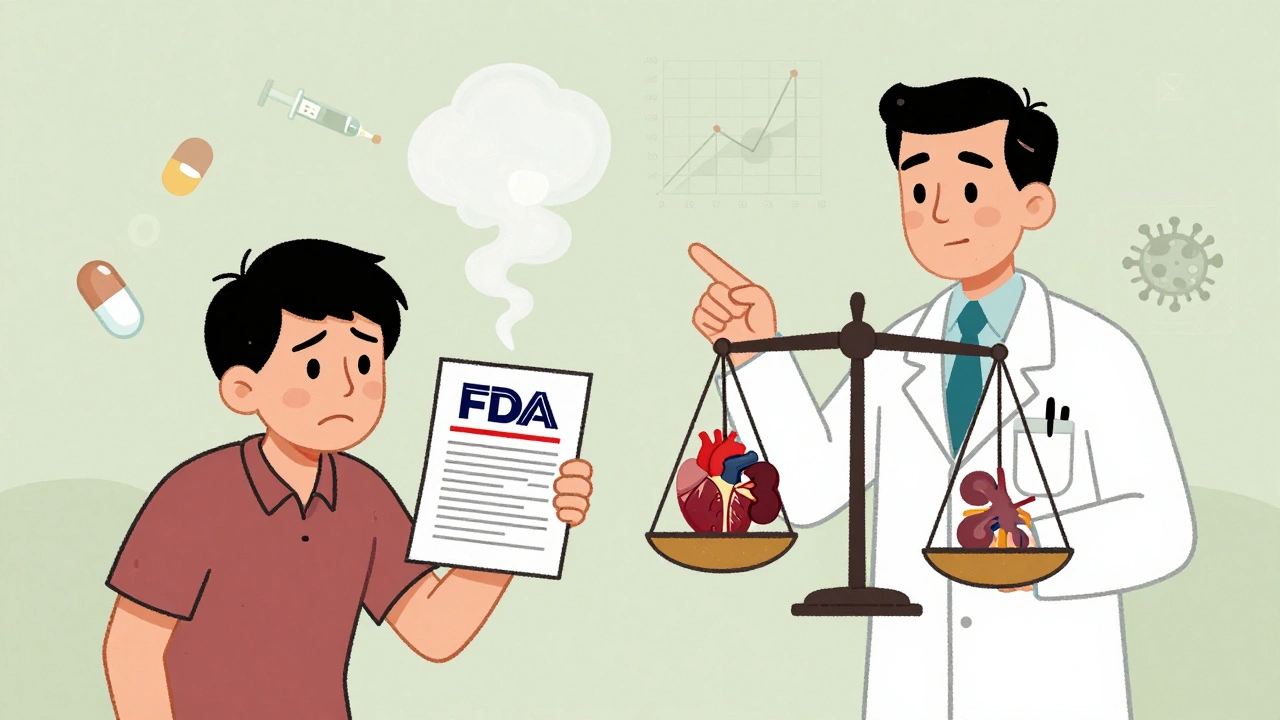
Drug Safety: Understanding Risks, Side Effects, and How to Stay Protected
When you take a medication, you trust it will help—not hurt. But drug safety, the practice of ensuring medications are used in ways that minimize harm while maximizing benefit. Also known as medication safety, it’s not just what’s on the label—it’s what you do after you leave the pharmacy. Every pill, injection, or patch carries potential risks, and those risks don’t always show up in ads or brochures. Real drug safety means understanding side effects, spotting allergic reactions, knowing when to question a prescription, and having the tools to report something unusual before it becomes a crisis.
Take adverse drug reactions, unintended and harmful responses to medications at normal doses. They’re not rare. One in five people experiences one. Some are just a dry mouth or dizziness. Others—like liver damage from a generic antibiotic or sudden heart rhythm changes from a statin—can be deadly. That’s why FDA REMS, Risk Evaluation and Mitigation Strategies that require special controls for high-risk drugs exist. These aren’t bureaucratic hoops. They’re lifelines. REMS programs force doctors to get trained, patients to sign off on risks, and pharmacies to track who gets dangerous meds like thalidomide or clozapine. If your drug has a REMS, it’s not because it’s unsafe—it’s because it’s powerful, and someone’s trying to keep you safe.
And then there’s the quiet danger: the generic drug you’ve been taking for years. You assume it’s identical to the brand. It usually is. But when manufacturing shifts overseas, supply chains crack, or quality control slips, even generics can go wrong. That’s why checking your pill’s strength and shape before leaving the pharmacy matters. That’s why reporting a strange rash, sudden fatigue, or unexplained bruising to the FDA through MedWatch isn’t just helpful—it’s critical. Your report might be the one that triggers a recall, changes a warning, or saves someone else’s life.
Drug safety isn’t passive. It’s not waiting for a doctor to tell you something’s wrong. It’s reading the Boxed Warning on your label. It’s asking your pharmacist why your new pill looks different. It’s knowing the difference between a side effect and an allergy. It’s understanding that St. John’s Wort can wreck your birth control, or that valerian with a sleeping pill can slow your breathing to dangerous levels. It’s realizing that digoxin levels need checking, that timolol eye drops require regular eye exams, and that even OTC gas relief can interact with your heart meds.
The posts below cover the real, messy, everyday side of drug safety—not theory, not marketing, but what actually happens when pills enter your body and your life. You’ll find clear guides on spotting dangerous interactions, what to do when your insurance drops your drug, how to safely order meds from overseas, and why the FDA’s approval process for generics still leaves gaps. Whether you’re managing a chronic condition, caring for an aging parent, or just trying to avoid a bad reaction, this is the practical knowledge you won’t get from a commercial or a quick Google search. It’s time to take control—not just of your meds, but of your safety.