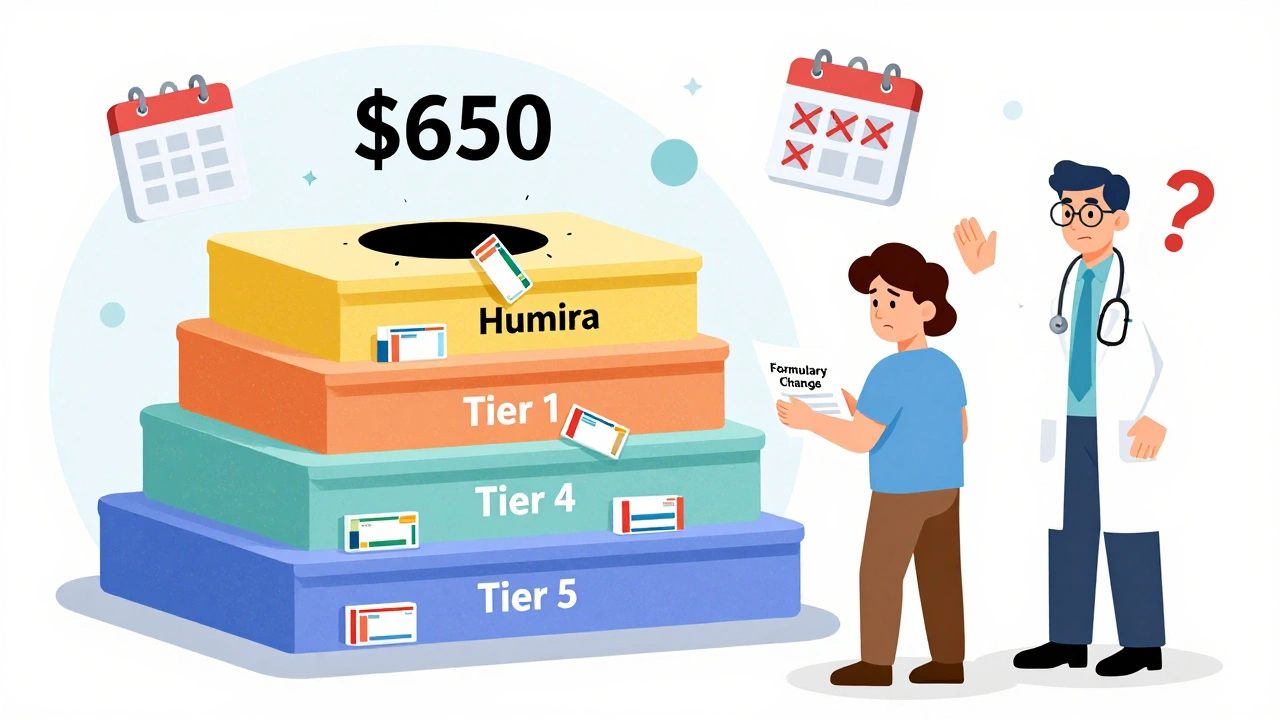
Drug Coverage Updates: What’s Changed in 2025 for Prescriptions and Generic Drugs
When it comes to drug coverage updates, changes in how insurance, pharmacies, and regulators handle access to medications. Also known as medication access policies, these updates directly affect whether you can fill your prescription, how much you pay, and if the drug is even available on the shelf. In 2025, these aren’t just bureaucratic tweaks—they’re life-or-death shifts for people relying on generics, specialty drugs, or high-risk treatments.
One of the biggest drivers behind these changes is the generic drugs, affordable versions of brand-name medications approved by the FDA through the ANDA process. Also known as off-patent medicines, they make up over 90% of prescriptions in the U.S. But supply chains are fraying. Over 270 generic drugs are currently in shortage, thanks to low profit margins, overseas manufacturing bottlenecks, and lack of backup suppliers. When a generic runs out, insurers may push you toward the brand-name version—unless they’ve updated their formulary to exclude it entirely. That’s not hypothetical. It’s happening right now with antibiotics, thyroid meds, and blood pressure pills.
Then there’s the REMS programs, FDA-mandated safety systems that control how high-risk drugs are prescribed, dispensed, or monitored. Also known as Risk Evaluation and Mitigation Strategies, they’re not just paperwork—they’re gatekeepers. In 2025, more drugs are being added to REMS, requiring special training for prescribers, patient enrollment, or mandatory lab tests. Some insurers now refuse to cover a drug unless you’ve completed the REMS steps. If you’re on a medication like isotretinoin, thalidomide, or certain immunosuppressants, your coverage isn’t just about cost—it’s about compliance.
And let’s not forget the FDA drug safety, the agency’s ongoing evaluation of medication risks through alerts, labeling changes, and post-market studies. Also known as drug safety communications, these aren’t just press releases—they trigger real-world coverage shifts. When the FDA warns about a rare side effect, insurers often respond by restricting access or requiring prior authorization. A recent alert on a common generic blood pressure pill led to coverage delays for thousands. Meanwhile, new rules on international mail-order medications are making it harder—and riskier—to import cheaper alternatives from abroad. What used to be a workaround is now a legal gray zone with potential seizures and fines.
These updates don’t happen in a vacuum. They’re shaped by antitrust actions against pay-for-delay deals, new regulations on combination generics, and pressure to lower out-of-pocket costs. But the result is the same: patients are caught in the middle. You might get a new drug approved, only to find your plan won’t cover it. Or your long-standing generic gets pulled, and your doctor has to fight to get you an alternative.
Below, you’ll find real, practical guides on how to navigate these changes—whether you’re checking your pharmacy label, reporting a rare side effect, understanding why your medication disappeared from the shelf, or learning how to legally get drugs from overseas. These aren’t theory pieces. They’re tools built from the front lines of pharmacy counters, insurance denials, and FDA hearings. Know what’s changed. Know what to ask for. Know your rights.