Dispensing Errors: What They Are, Why They Happen, and How to Prevent Them
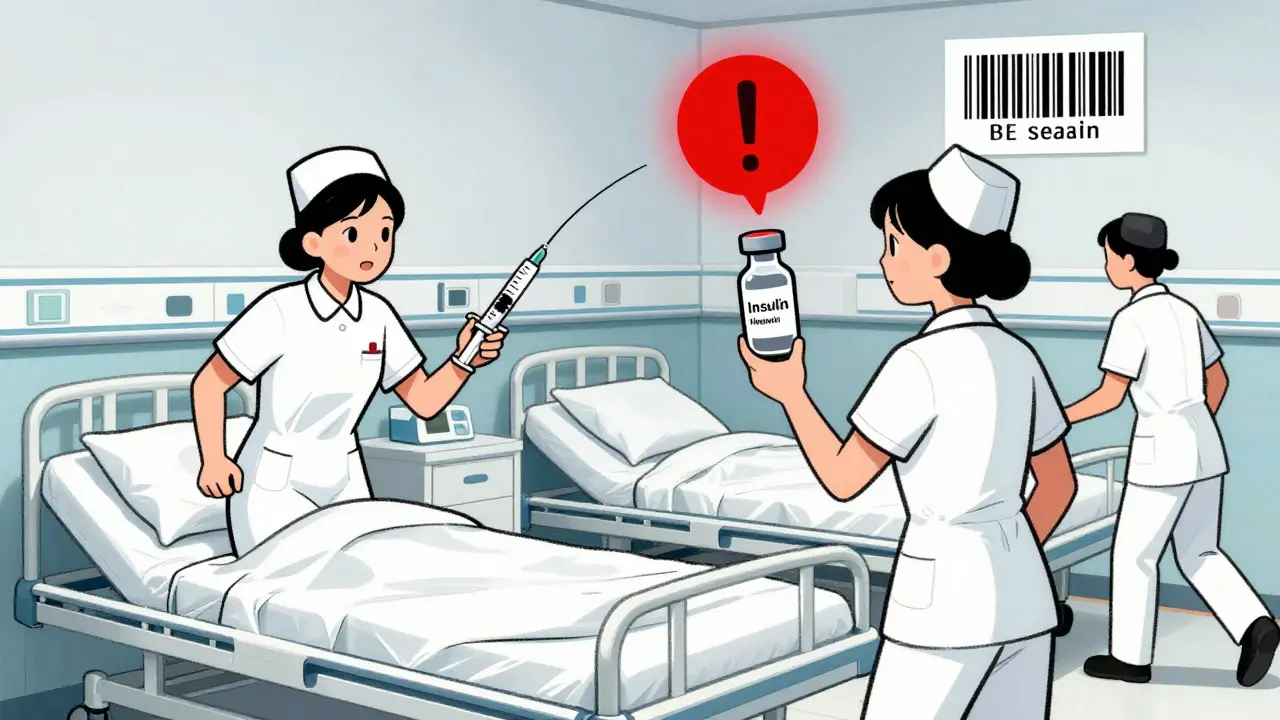
When a pharmacist hands you the wrong pill, the wrong dose, or the wrong drug entirely, that’s a dispensing error, a mistake made during the final step of getting a prescription to a patient. Also known as medication errors, these aren’t just slips—they’re preventable events that send tens of thousands to the ER every year in the U.S. alone. Even a small mix-up—like confusing levothyroxine with loperamide—can turn a routine treatment into a life-threatening situation. These errors don’t happen in a vacuum. They’re often tied to high workloads, similar-looking drug names, poor labeling, or rushed handoffs between pharmacy staff.
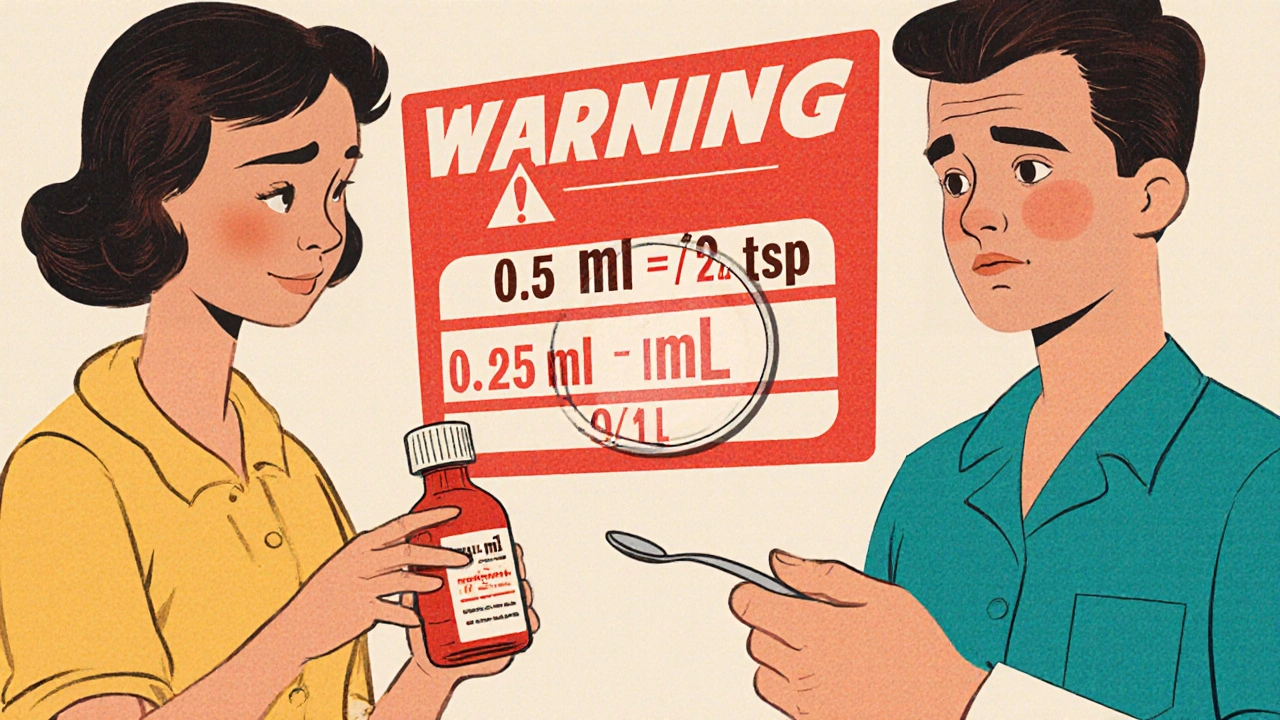
Behind every dispensing error is a chain of risks. Pharmacy workflow, the steps from prescription receipt to patient pickup plays a huge role. If a technician misreads a handwritten script or a system doesn’t flag a dangerous interaction, the error slips through. Then there’s drug labeling, how medications are packaged and marked. Look-alike, sound-alike drugs like Zyrtec and Zyprexa are notorious culprits. Even the way a label is printed—font size, spacing, color—can confuse patients or staff. And let’s not forget patient communication, how clearly the pharmacist explains what the drug is for and how to take it. If a patient doesn’t understand the instructions, they might take it wrong, and it’ll look like a dispensing error—even if the pharmacy got it right.
These aren’t abstract problems. In the posts below, you’ll see how dispensing errors connect to real-world outcomes: how a mislabeled generic drug led to a patient’s hospitalization, how REMS programs try to stop high-risk meds from being misused, why FDA deficiency letters often point to labeling flaws, and how reporting rare side effects through MedWatch helps catch patterns before more people get hurt. You’ll also find how drug shortages force pharmacies to swap brands or doses without proper checks, increasing error risk. And you’ll learn how to read drug labels better, ask the right questions at the counter, and recognize when something just doesn’t feel right.
Dispensing errors are never just "a mistake." They’re a system failure—and you have more power to stop them than you think. The next time you pick up a prescription, look at the bottle. Compare it to the name on your doctor’s note. Ask: "Is this what I was expecting?" You might just catch the error before it catches you.