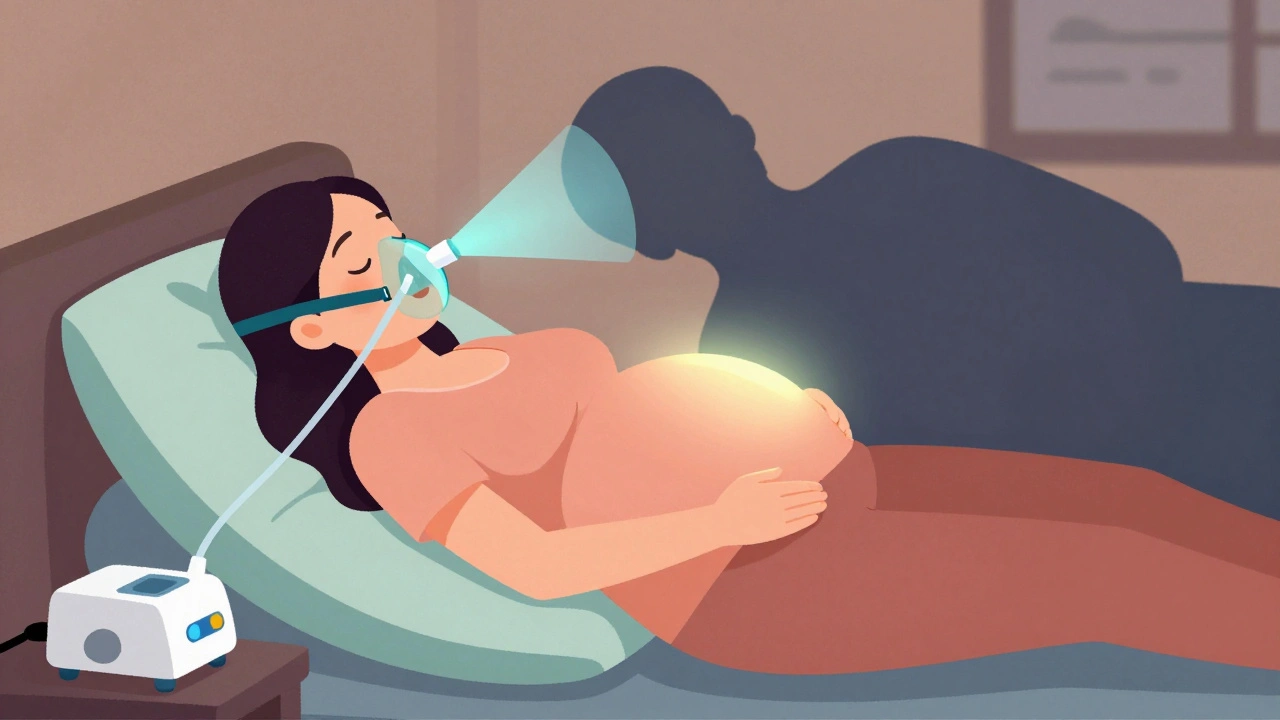
CPAP during pregnancy: What you need to know about sleep apnea treatment
When you’re pregnant, your body changes in ways you can’t always predict—and one of the most overlooked is how it affects your breathing. CPAP during pregnancy, Continuous Positive Airway Pressure therapy used to treat obstructive sleep apnea. Also known as sleep apnea machine, it’s not just for older adults or men—it’s increasingly common for pregnant women who struggle to breathe at night. Sleep apnea doesn’t just mean snoring. It’s when your airway collapses while you sleep, causing oxygen levels to drop. That’s dangerous for you and your baby. Studies show untreated sleep apnea during pregnancy raises the risk of preeclampsia, gestational diabetes, preterm birth, and low birth weight.
Many women start noticing symptoms in the second or third trimester: loud snoring, gasping for air, daytime exhaustion even after a full night’s sleep, or waking up with a dry mouth or headache. These aren’t just "normal pregnancy fatigue"—they’re red flags. Obstructive sleep apnea, a condition where throat muscles relax and block airflow during sleep is the most common type in pregnancy. It’s not caused by weight gain alone, though that can make it worse. Hormonal shifts, fluid retention, and swelling in the upper airway all play a role. And here’s the good news: CPAP, a device that delivers steady air pressure through a mask to keep airways open is safe, effective, and widely recommended by OB-GYNs and sleep specialists. No drugs. No surgery. Just consistent, gentle airflow.
Using CPAP during pregnancy isn’t about fixing a flaw—it’s about protecting your health so your baby can thrive. Many women worry the mask will be uncomfortable or that the machine will be too loud. Modern CPAP devices are quieter, lighter, and come with nasal pillows, full-face masks, and heated humidifiers designed for comfort. You can adjust pressure settings as your body changes. And yes, it’s okay to use it every night—even if you wake up and find the mask off. Just put it back on. Consistency matters more than perfection.
If you’ve been told your snoring is "just pregnancy," ask for a sleep screening. A simple home sleep test can confirm if you have sleep apnea. If you do, CPAP isn’t optional—it’s preventive care. It’s the same as taking prenatal vitamins or monitoring blood pressure. Your body is doing something extraordinary. Don’t let blocked airways steal the rest you need to do it right.
Below, you’ll find real-world insights from patients and providers on how CPAP works during pregnancy, what to do if it feels awkward, how it affects fetal development, and when to talk to your doctor about alternatives. These aren’t theory pages—they’re practical guides from people who’ve been there.