Buy Medication Overseas: What You Need to Know About Safety, Legality, and Risks
When you buy medication overseas, you’re stepping into a world where prices are lower but risks are higher. Buy medication overseas, the practice of purchasing prescription drugs from foreign pharmacies, often to save money or access unapproved treatments. It’s also known as international drug purchasing, and while it sounds simple, the reality is full of hidden dangers. Many people turn to this because brand-name drugs in the U.S. cost three to ten times more than the same pills sold in Canada, India, or Mexico. But just because it’s cheaper doesn’t mean it’s safe—or legal.
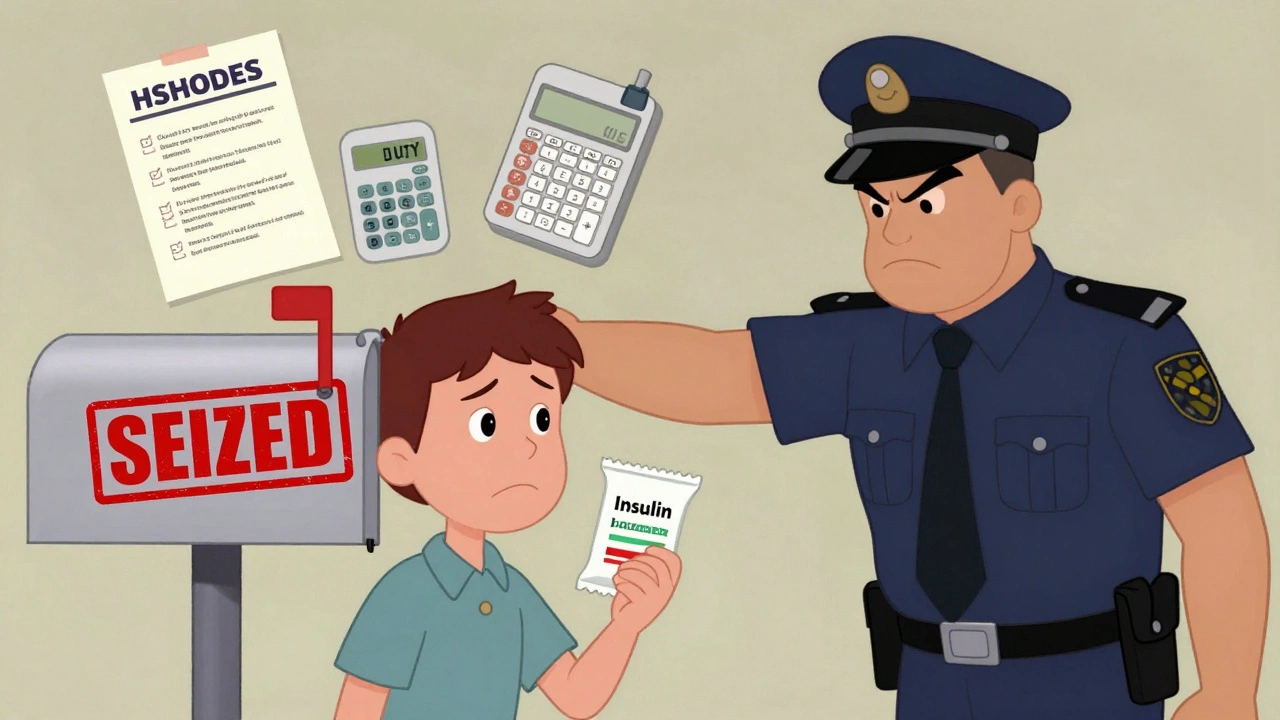
Behind every cheap pill bought online is a chain of suppliers, some legitimate, most not. The generic drugs, medications approved by regulatory agencies like the FDA to be identical in strength, quality, and performance to brand-name versions. Also known as off-brand medicines, they’re the backbone of affordable care—but only when made under strict standards. The FDA doesn’t inspect most overseas factories. A 2023 WHO report found that over 1 in 10 medicines sold globally are fake or substandard. That means a pill labeled as metformin might have no active ingredient at all—or worse, toxic contaminants. Even if the drug is real, shipping it across borders violates U.S. law unless it’s for personal use in small quantities and prescribed by a U.S. doctor. The FDA doesn’t actively arrest individuals, but they can seize packages, and you lose both your money and your medication.
When you buy medication overseas, the practice of purchasing prescription drugs from foreign pharmacies, often to save money or access unapproved treatments. It’s also known as international drug purchasing, and while it sounds simple, the reality is full of hidden dangers. Many people turn to this because brand-name drugs in the U.S. cost three to ten times more than the same pills sold in Canada, India, or Mexico. But just because it’s cheaper doesn’t mean it’s safe—or legal.
Behind every cheap pill bought online is a chain of suppliers, some legitimate, most not. The generic drugs, medications approved by regulatory agencies like the FDA to be identical in strength, quality, and performance to brand-name versions. Also known as off-brand medicines, they’re the backbone of affordable care—but only when made under strict standards. The FDA doesn’t inspect most overseas factories. A 2023 WHO report found that over 1 in 10 medicines sold globally are fake or substandard. That means a pill labeled as metformin might have no active ingredient at all—or worse, toxic contaminants. Even if the drug is real, shipping it across borders violates U.S. law unless it’s for personal use in small quantities and prescribed by a U.S. doctor. The FDA doesn’t actively arrest individuals, but they can seize packages, and you lose both your money and your medication.
Then there’s the issue of FDA approval, the rigorous process the U.S. Food and Drug Administration uses to ensure drugs are safe, effective, and properly labeled before they reach patients. Also known as drug clearance, it’s the gold standard for medication safety. Overseas pharmacies rarely follow it. You might get the right active ingredient, but the fillers, coatings, or manufacturing environment could be unsafe. A study in the Journal of the American Medical Informatics Association found that 40% of online pharmacies selling to U.S. customers were operating illegally—and many sold counterfeit versions of popular drugs like Viagra, Xanax, and insulin. People have ended up in the hospital from fake blood thinners or expired antibiotics.
And what about drug safety, the system of monitoring, reporting, and regulating side effects and risks tied to medications to protect public health. Also known as pharmacovigilance, it’s how we catch problems before they hurt thousands? If you take a drug bought overseas and have a reaction, who do you call? The FDA’s MedWatch system only accepts reports for drugs legally obtained in the U.S. Your overseas purchase won’t show up in any safety database. That means the next person who buys the same pill might face the same risk—and no one will know why.
You might think, "But I’ve done it before and nothing happened." That’s the danger. Most people don’t realize how lucky they’ve been. The system is designed to catch problems before they spread. When you bypass it, you’re gambling with your health—and the health of others who might later use the same batch of pills.
Below, you’ll find real stories and data-backed guides on how to recognize safe medications, understand why generics work when they’re regulated, and what to do if you’ve already bought something questionable. These aren’t just warnings—they’re tools to help you make smarter choices, whether you’re trying to save money or just looking for a reliable source.