Acute Bronchitis: Causes, Symptoms, and What You Can Do
When your chest feels tight and your cough won’t quit, you’re likely dealing with acute bronchitis, a short-term inflammation of the bronchial tubes that usually follows a cold or flu. Also known as viral bronchitis, it’s one of the most common reasons people visit the doctor—but most of the time, it gets better on its own. Unlike pneumonia, which affects the lungs, acute bronchitis stays in the airways. It’s not usually serious, but it can last for weeks and leave you exhausted.
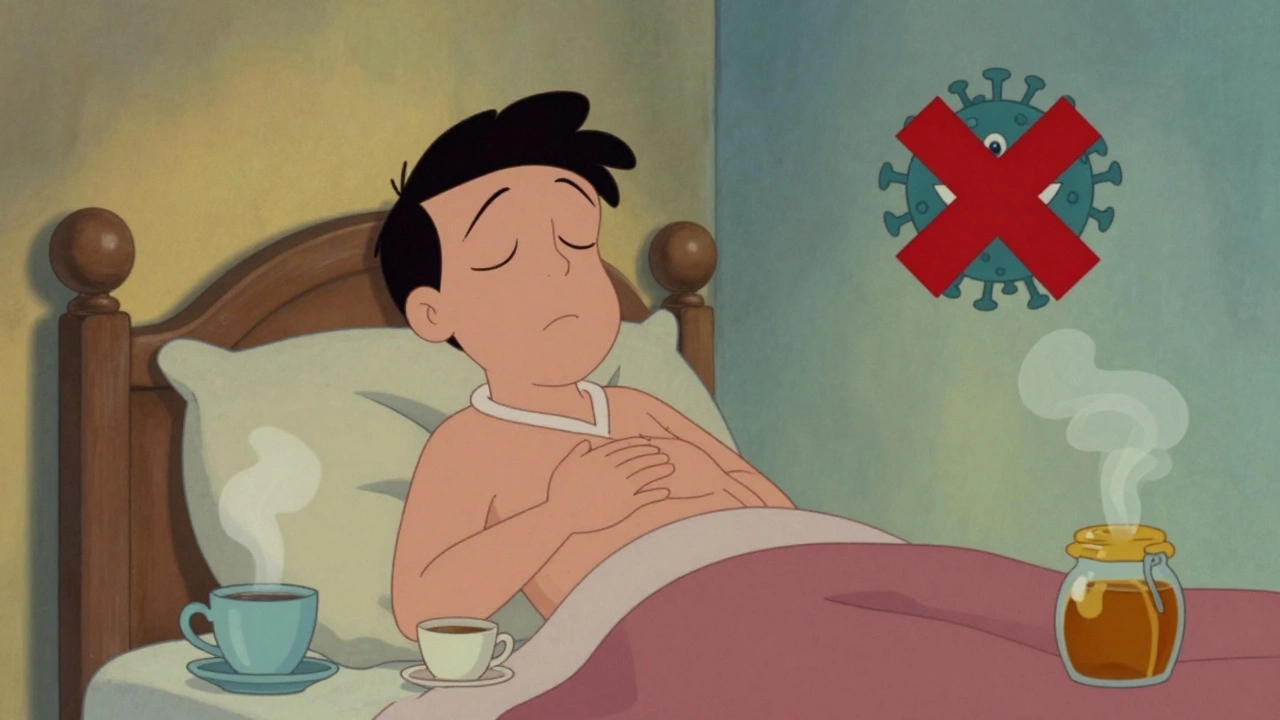
The biggest trigger? viral respiratory infections, like the common cold or flu, which spread easily and cause most cases of bronchitis. Antibiotics won’t help because viruses don’t respond to them. Yet many people still get prescribed them—mostly because doctors feel pressured to do something. What actually works? Rest, fluids, and time. Humidifiers help loosen mucus. Honey can ease nighttime coughs better than some OTC syrups. And if you smoke, stopping—even temporarily—makes a huge difference in how fast you recover.
cough treatment, is often misunderstood. Suppressing a productive cough can trap mucus and prolong illness. Instead, focus on clearing it. Steam, saline sprays, and staying hydrated thin the mucus so your body can clear it naturally. If you’re wheezing or have trouble breathing, that’s not just bronchitis—it could be asthma or something worse. And if your cough lasts longer than three weeks, or you’re coughing up blood, fever spikes, or feel dizzy when standing, you need to get checked. These aren’t normal signs.
People often confuse acute bronchitis with chronic bronchitis, which is tied to smoking and long-term lung damage. This is the short-term version—usually gone in a few weeks. But that doesn’t mean you should ignore it. Repeated episodes can signal an underlying issue, like allergies or early COPD. And if you’re over 65, have asthma, or a weak immune system, even a mild case can turn risky.
What you’ll find in the posts below isn’t just a list of remedies. It’s a practical guide to navigating medication safety when you’re already feeling under the weather. You’ll see how to tell if a cough is just bronchitis or something more serious, why some OTC drugs do more harm than good, and how to avoid dangerous interactions with other meds you might be taking. There’s also real talk about when to push for tests, how to read drug labels when you’re tired and achy, and why the FDA warns against certain cough and cold combos. This isn’t guesswork. It’s what you need to know to recover safely—and avoid making things worse.