Sleep Hygiene & Medication Optimizer
Your Profile
Custom Hygiene Plan
PersonalizedFill out your profile to generate a customized sleep hygiene strategy based on the article's guidelines.
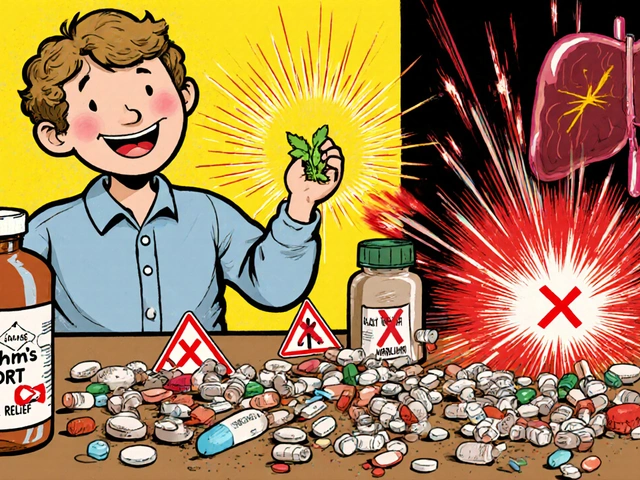
It is a frustrating paradox: you take a medication to get healthy, but the side effects leave you staring at the ceiling at 3 AM. Whether it's a blood pressure pill that kills your melatonin or an antidepressant that makes your brain feel like it's running a marathon, pharmaceutical-induced insomnia is a common but rarely discussed struggle. The good news is that you don't necessarily need another pill to fix the sleep problems caused by your first one. By focusing on sleep hygiene, you can reclaim your nights without adding more chemistry to the mix.
| Medication Class | Example Drug | Primary Sleep Effect | Mechanism |
|---|---|---|---|
| SSRIs (Antidepressants) | Fluoxetine (Prozac) | Difficulty falling asleep | Stimulating effect on the brain |
| Beta Blockers | Metoprolol | Fragmented sleep | Reduces melatonin production |
| Z-Drugs (Hypnotics) | Zolpidem (Ambien) | Next-day grogginess | Long half-life/sedation |
| Benzodiazepines | Temazepam | Cognitive impairment | Alteration of sleep architecture |
How Medications Steal Your Sleep
Not all medications disrupt rest in the same way. Some act like a shot of espresso to your nervous system, while others act like a heavy blanket that won't let you wake up. For instance, Selective Serotonin Reuptake Inhibitors (SSRIs) are a class of antidepressants that increase serotonin levels in the brain. While they are life-saving for many, drugs like fluoxetine can be incredibly stimulating, making the transition to sleep nearly impossible.
Then there are the "silent" disruptors. Beta Blockers are medications used primarily to manage hypertension and heart conditions by blocking the effects of adrenaline. Research indicates these can drop your natural melatonin production by over 37%, which effectively tells your internal clock that it's still daytime when it's actually midnight. This is why you might feel exhausted but unable to drift off.
Even medications designed to help you sleep can backfire. Many people experience a "hangover" effect with Benzodiazepines, which are sedatives used to treat anxiety and insomnia. This isn't just a bit of morning tiredness; for some, it's a severe cognitive fog that makes driving or concentrating on a work project feel like wading through molasses.
The Golden Rules of Sleep Hygiene for Medicated Patients
When your chemistry is working against you, your environment and behavior have to work twice as hard. The goal is to create a biological "anchor" that keeps your sleep-wake cycle stable despite the pharmaceutical interference.
- The 30-Minute Wake Window: Your brain loves predictability. Wake up at the exact same time every day, within a 30-minute window. This helps reset your Circadian Rhythm, which is the internal 24-hour clock that regulates the sleep-wake cycle, countering the disruption caused by beta blockers or antidepressants.
- Strict Light Management: If your meds suppress melatonin, you need to protect every drop you have left. Turn off blue-light emitting screens by 8 PM. Conversely, get 30 minutes of bright sunlight (or a 10,000 lux light box) immediately upon waking to signal to your brain that the day has officially started.
- The 4-Hour Exercise Gap: While exercise is great for sleep, doing it too late can amplify the stimulating effects of certain meds. Aim to finish your workout at least four hours before your head hits the pillow.
- Strategic Nutrition: Avoid tyramine-heavy foods like aged cheeses or cured meats, as these can interfere with blood pressure medications and trigger restlessness. Instead, load up on magnesium-rich foods like spinach and almonds, which have been shown to reduce insomnia severity.

Managing the "Sleep Medication Hangover"
If you've been prescribed a sedative like Zolpidem, which is a non-benzodiazepine hypnotic used for short-term treatment of insomnia, the timing of the dose is everything. One of the biggest mistakes people make is taking these pills when they only have 5 or 6 hours before their alarm goes off. This is a recipe for severe next-day impairment.
To avoid this, only take sleep medications when you have a guaranteed 7 to 8 hours of uninterrupted sleep. Creating a "buffer zone" of at least two hours between taking the med and actually trying to sleep can also prevent the buildup of sleep pressure that sometimes leads to paradoxical insomnia.
It's also worth noting the risks. The FDA has issued severe warnings about "complex sleep behaviors"-like sleep-driving or eating while asleep-associated with some hypnotics. If you find yourself waking up with no memory of the previous few hours, it's time to have a serious conversation with your doctor about alternatives.
Moving Beyond the Pill: The CBT-I Alternative
Most sleep experts now argue that pills should be the last resort, not the first. Cognitive Behavioral Therapy for Insomnia (CBT-I) is a structured program that helps people identify and replace thoughts and behaviors that cause or worsen sleep problems. Unlike a pill, which treats the symptom, CBT-I treats the root cause.
The evidence is compelling. Long-term use of certain sleep aids has been linked to a significantly higher risk of dementia. By shifting the focus to behavioral changes, patients often find they can reduce their medication dosage or eliminate it entirely. Digital platforms have made this more accessible, allowing people to track their sleep patterns and receive tailored hygiene recommendations via an app.
Your Step-by-Step Medication Audit
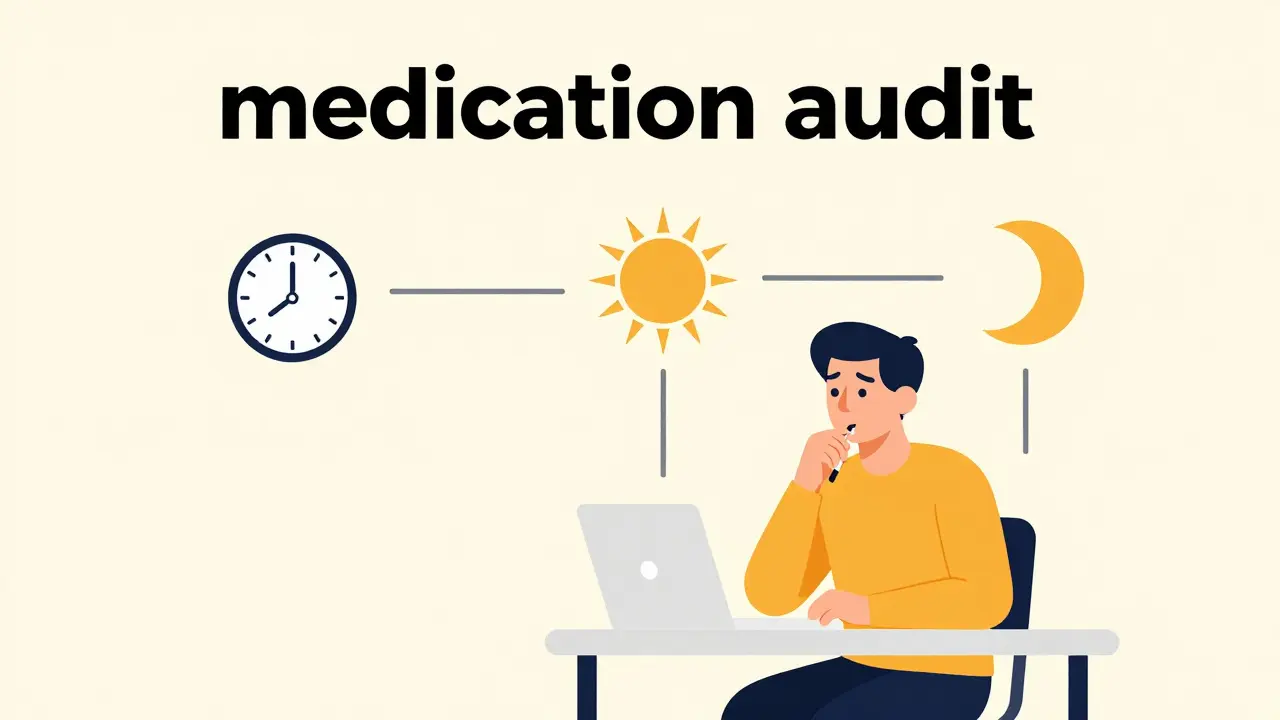
If you feel like your medications are stealing your rest, don't just stop taking them-that can be dangerous. Instead, follow this structured approach to find a solution:
- Log Your Sleep: For two weeks, track when you take your meds, when you go to bed, and how you feel the next morning. Note any "brain fog" or midnight wake-ups.
- Consult Your Provider: Take your log to your doctor. Ask specifically: "Does this medication affect my melatonin production or stimulate my CNS (central nervous system)?"
- Adjust the Timing: If a med is stimulating, see if it can be moved to the early morning. If it's sedating, ensure it's timed for a full 8-hour window.
- Layer in Hygiene: Start with one change (like the fixed wake time) for 21 days before adding the next. Your body needs time to calibrate to a new routine.
Can I just take a melatonin supplement to counter my medication?
Not always. While it seems logical, melatonin supplements can interact with other medications or mask the underlying issue. For example, if a beta blocker is suppressing your natural production, a supplement might help, but it's crucial to discuss the dose with a doctor to avoid disrupting your natural hormonal balance further.
Why does my antidepressant make me wake up at 3 AM?
Many antidepressants, particularly SSRIs, can interfere with REM sleep and increase alertness. This can lead to "sleep fragmentation," where you fall asleep fine but wake up in the middle of the night and struggle to return to a deep sleep state because your brain remains in a state of heightened arousal.
Is it safe to use a sleep app to manage medication side effects?
Generally, yes. Apps that provide CBT-I principles or track sleep hygiene are safe and often effective. However, avoid apps that suggest specific dosages of supplements or medications. Use the app for behavioral tracking and data to share with your healthcare provider.
How long does it take for sleep hygiene to work?
Unlike a sedative that works in 30 minutes, sleep hygiene is a long game. Most people see a noticeable difference in sleep efficiency after about 3 to 6 weeks of consistent practice, particularly when adhering to a strict wake-up time.
What are the risks of long-term sleep medication use?
Long-term use of benzodiazepines and Z-drugs is associated with increased risks of cognitive decline, memory loss, and a higher incidence of dementia. There is also the risk of developing a tolerance, meaning you need higher doses to achieve the same effect, which increases the risk of falls and respiratory depression.