Opioid Safety & Dosing Guide for Renal Impairment
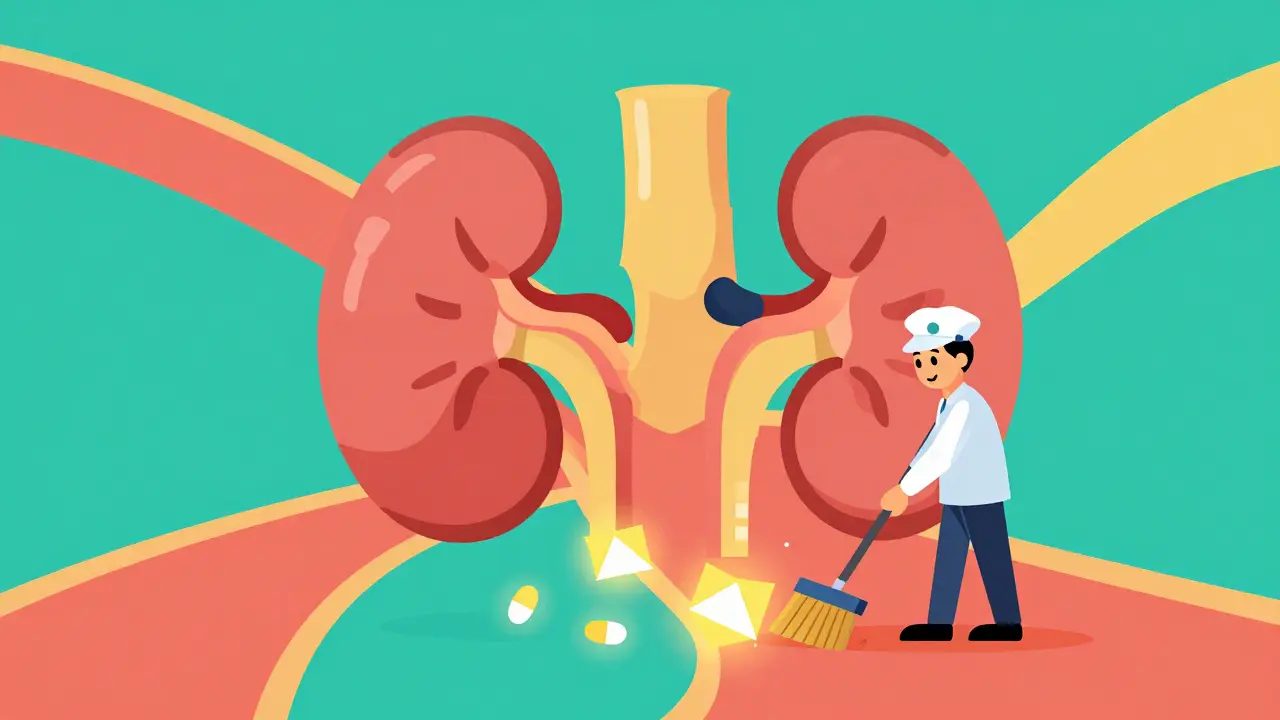
Managing chronic pain when the kidneys aren't working properly is a bit of a tightrope walk. For people living with Chronic Kidney Disease (CKD) is a long-term condition where the kidneys do not filter blood as well as they should , the standard pain meds that work for most people can suddenly become dangerous. The problem is simple: your kidneys are the cleanup crew for your bloodstream. When they slow down, drug metabolites-the leftovers after your body processes a medication-start to pile up. This can lead to scary side effects like seizures, confusion, or breathing problems.
If you're dealing with pain and renal impairment, the goal isn't just to stop the pain, but to do it without poisoning the system. While many doctors are hesitant to prescribe opioids to kidney patients, the truth is that pain is often under-treated in this group. The key is choosing the right molecule and adjusting the dose based on how well the kidneys are actually functioning.
The Danger Zone: Which Opioids to Avoid
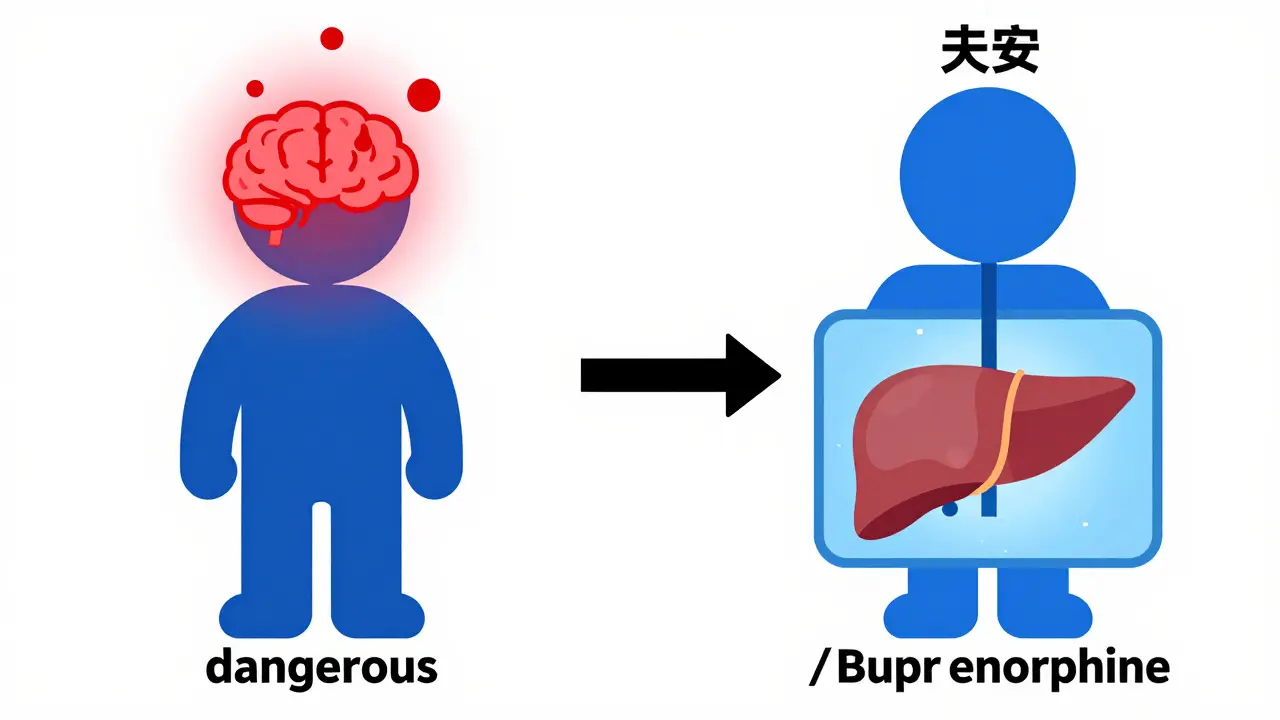
Not all opioids are created equal. Some are metabolized into "active" leftovers that the kidneys must clear. If the kidneys fail, these metabolites build up and cross the blood-brain barrier, causing neurotoxicity. This often looks like myoclonus (muscle jerks), delirium, or even full-blown seizures.
You'll want to steer clear of Morphine is a potent opioid analgesic that produces toxic metabolites (M3G and M6G) in renal failure and Codeine is a naturally occurring opioid used for mild to moderate pain, contraindicated in severe CKD . These two are big no-nos in moderate-to-severe renal failure because their metabolites are notorious for causing brain toxicity. Then there is Meperidine (also known as Pethidine), which is absolutely forbidden across all stages of kidney disease. Its metabolite, normeperidine, is incredibly toxic to the nervous system once it hits a certain level in the blood.
Safer Choices for Kidney Patients
When the kidneys are struggling, you want "lipophilic" opioids-drugs that are more fat-soluble and primarily handled by the liver rather than the kidneys. These are much less likely to cause a toxic buildup.
The gold standard for many is Fentanyl is a powerful synthetic opioid primarily metabolized by the liver via CYP3A4, making it safe for renal impairment . Because it's mostly processed by the liver and only about 7% is excreted by the kidneys, it doesn't pile up in the system. Transdermal patches are a popular choice because they provide a steady stream of medication, avoiding the "peaks and valleys" of oral pills.
Another great option is Buprenorphine is a partial opioid agonist that is safe for advanced CKD and dialysis patients without requiring major dose reductions . It's heavily metabolized by the liver and is generally well-tolerated even in end-stage renal disease. However, doctors still keep an eye on it because it can occasionally affect the heart's electrical rhythm (QT prolongation).
| Medication | Renal Safety | Primary Risk | Recommendation |
|---|---|---|---|
| Fentanyl | High | Overdose in naïve patients | Preferred / First-line |
| Buprenorphine | High | QT prolongation | Safe for Dialysis |
| Oxycodone | Moderate | Metabolite accumulation | Use caution (max 20mg/day if CrCl <30) |
| Morphine | Low | Neurotoxicity / Seizures | Avoid in Moderate/Severe CKD |
| Meperidine | Very Low | Severe Neurotoxicity | Strictly Contraindicated |
Dosing Rules of Thumb: The GFR Guide
You can't just use a standard dose chart when someone has opioids in renal failure. Everything depends on the Glomerular Filtration Rate (GFR), which tells us how well the kidneys are filtering. A general rule of thumb is to start low and go slow-often starting at 50% of the normal dose for those with advanced failure.
Here is how dosing typically shifts based on GFR levels:
- GFR >50 mL/min: Most patients can handle 100% of the usual dose for drugs like fentanyl or methadone.
- GFR 10-50 mL/min: This is where we start cutting. Morphine (if used in very short term) drops to 50-75% of the dose. Fentanyl stays mostly the same, but we watch it closer.
- GFR <10 mL/min: Extreme caution. Morphine doses drop to 25% of normal. Methadone is cut to 50-75%, and fentanyl is halved.
For those on hemodialysis, it gets even trickier. While fentanyl is safe for the kidneys, it's unpredictable during a dialysis session. The machine might clear it out too fast or not at all, making the pain relief erratic. In these cases, buprenorphine is often a more stable bet.
Managing the Side Effects
Opioids don't just affect the brain; they hit the gut hard. Opioid-induced constipation is a nightmare for 40% to 80% of kidney patients. Standard laxatives can sometimes be tricky with electrolyte imbalances, so specialized options are better. Naldemedine is a peripherally-acting mu-opioid receptor antagonist (PAMORA) that treats constipation without reversing pain relief is currently a top choice because it doesn't need any dose adjustment for people on dialysis.
Another common complication is the use of "adjuncts" like gabapentin for nerve pain. While not opioids, these are also cleared by the kidneys. If you're using gabapentin with a CrCl under 30 mL/min, you might only need 200-700 mg once a day, rather than the usual multi-dose schedule. Overdosing on these can actually make the confusion from opioids worse.

The Long-Term Outlook
We have to be honest: opioids aren't a forever solution. Recent data suggests that using opioids for more than 90 days in CKD patients might actually speed up the progression to end-stage renal disease by about 28%. This is why the modern approach is "multimodal." This means combining low-dose opioids with physical therapy, nerve blocks, and non-opioid medications to keep the total dose as low as possible.
The future looks promising with pharmacogenomics. Some people are "poor metabolizers" due to their genetics (specifically the CYP2D6 enzyme), which makes them 3.2 times more likely to suffer morphine toxicity even if the dose seems right. Soon, a simple genetic test could tell your doctor exactly which opioid will be safest for your specific body and kidney function.
Why is morphine dangerous in kidney failure?
Morphine breaks down into metabolites called M3G and M6G. In healthy people, the kidneys flush these out. In renal failure, they build up in the blood and enter the brain, which can cause tremors, extreme confusion, and seizures.
Are fentanyl patches safe for someone on dialysis?
Fentanyl is generally safe for the kidneys, but its clearance during actual hemodialysis sessions can be unpredictable. This means the level of medication in your blood might fluctuate wildly during and after dialysis, which is why some doctors prefer other options for dialysis patients.
Can I use oxycodone if my GFR is low?
Yes, but with caution. Oxycodone is safer than morphine but not as safe as fentanyl. If your Creatinine Clearance (CrCl) is below 30 mL/min, it's generally recommended to cap the daily dose at 20 mg to avoid accumulation.
What is the safest opioid for end-stage renal disease?
Buprenorphine and Fentanyl are widely considered the safest choices because they are primarily processed by the liver. Buprenorphine is often preferred for those actively on dialysis due to more stable clearance.
How do I know if I'm experiencing opioid toxicity?
Watch for signs of "neurotoxicity," which include unexplained muscle twitching (myoclonus), sudden confusion, hallucinations, or extreme drowsiness that doesn't go away. If these occur, contact your healthcare provider immediately as your dose may need to be lowered.
Next Steps and Troubleshooting
If you are a patient or caregiver, the first step is to ensure your doctor has your most recent GFR or Creatinine Clearance labs before prescribing any new pain medication. Don't be afraid to ask, "Is this drug cleared by the kidneys or the liver?"
If the current pain relief isn't working, don't just increase the dose. Because of the risk of toxicity, the safer move is to request a "rotation." This means switching from one opioid to another (e.g., moving from oxycodone to fentanyl) to reset the system and avoid metabolite buildup. Always track your symptoms in a daily log-especially any new mood changes or muscle twitches-to help your nephrologist fine-tune the dosage.