Imagine walking into an emergency room or a specialist's office and being asked exactly what drugs you're taking. If you're on two things, it's easy. But if you're managing five, ten, or fifteen different pills, vitamins, and supplements, the pressure to remember every dose and frequency can be overwhelming. One missed mention of a daily aspirin or a herbal supplement can lead to a dangerous drug interaction. In the U.S. alone, medication errors contribute to roughly 7,000 deaths every year. That is a staggering number, but the good news is that a huge chunk of these mistakes are preventable with one simple tool: a comprehensive medication list is a systematic record of every substance a person ingests, including prescriptions, over-the-counter drugs, and supplements, used to ensure care coordination and safety.
Whether you are managing a chronic condition or helping an elderly parent, having a reliable list doesn't just make your doctor's life easier-it protects your life. By bridging the gap between different healthcare providers, you can drastically reduce the risk of adverse drug events. Let's look at how to build and maintain a list that actually works in the real world.
What Actually Goes on a Safe Medication List?
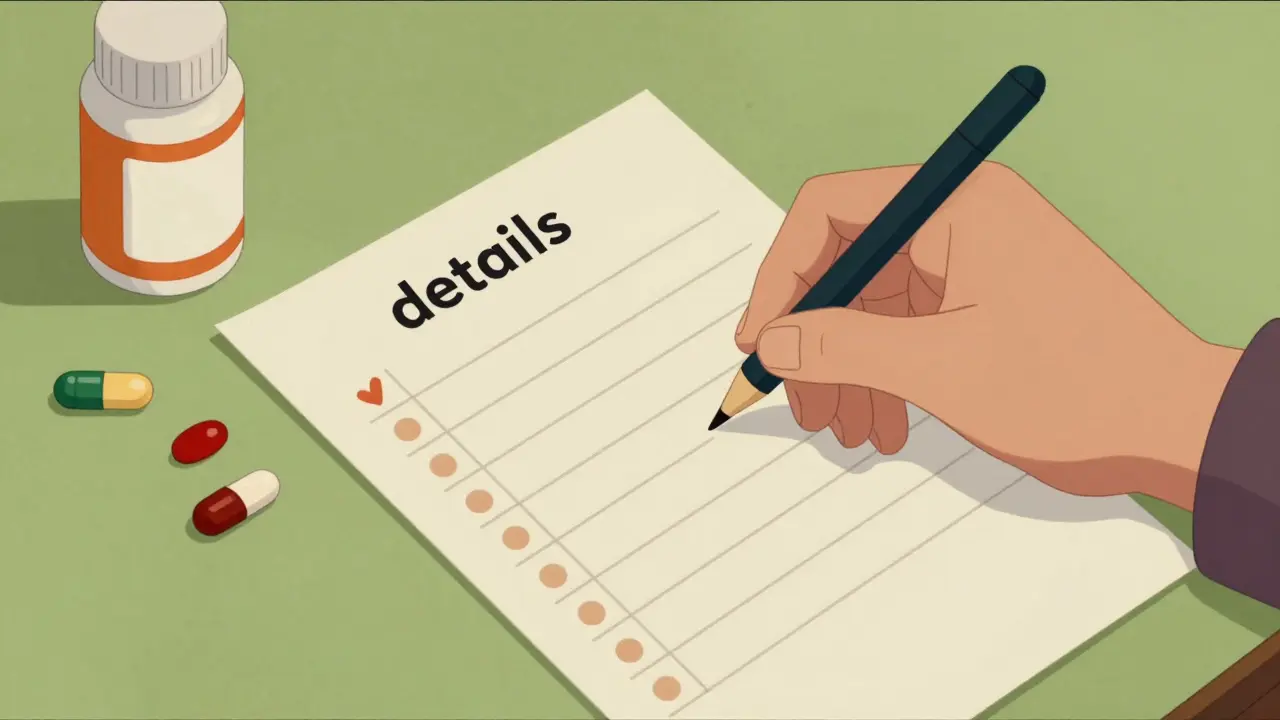
A piece of paper that just says "Lisinopril - 10mg" isn't enough. To be truly useful during a medical crisis or a routine check-up, your list needs specific details. Doctors need to know not just what you're taking, but why you're taking it and exactly how it enters your body. If a provider doesn't know a drug's purpose, they might accidentally prescribe something that does the same thing, leading to an overdose.
Your list should include these essential elements for every single item:
- Drug Name: Include both the brand name (what's on the box) and the generic name (the chemical name).
- Strength and Dose: For example, "500mg" or "2 drops."
- Frequency: How often do you take it? "Twice a day" or "Every 8 hours."
- Route: Is it a pill, a cream, an injection, or a patch?
- Purpose: Why are you taking it? (e.g., "For high blood pressure" or "For sleep").
- Prescribing Doctor: Who gave you this medication? This is crucial when you see multiple specialists.
- Last Dose Time: Especially important during hospital admissions.
Don't forget the "invisible" meds. Many people leave off vitamins, herbal teas, or over-the-counter pain relievers because they aren't "prescriptions." However, the American Heart Association warns that these omissions are a major cause of incomplete medical histories. St. John's Wort or high-dose Vitamin K, for instance, can dangerously interfere with common blood thinners.
Choosing Your Format: Paper vs. Digital
There is no one-size-fits-all solution. Some people love the tactile nature of a notebook, while others want an app that pings their phone. The right choice depends on your tech comfort level and how often your medications change.
| Format | Pros | Cons | Best For... |
|---|---|---|---|
| Paper List (FDA Template) | No battery needed; easy to hand to a nurse. | Easy to lose; often becomes outdated. | Emergency wallet cards, seniors. |
| Mobile Apps (e.g., Medisafe) | Automatic reminders; easy to edit. | Learning curve; depends on phone battery. | Active adults, polypharmacy patients. |
| EHR Portals (e.g., MyChart) | Directly linked to doctor's records. | Requires internet/login; may not include OTCs. | Patients within a single health system. |
If you prefer paper, the FDA offers a "My Medicines" template that is widely recognized. For those who prefer tech, apps like Medisafe can reduce missed doses by nearly 30% through smart notifications. However, if you're over 65 and not a "smartphone person," don't force it. A clear, printed list in your wallet is infinitely better than a complex app you never open.
The Process of Medication Reconciliation
You might hear the term medication reconciliation during a hospital stay. Essentially, this is the process of comparing your home medication list against what the hospital is giving you. It's a safety check to make sure nothing is doubled, missed, or contradicted.
According to the Institute for Safe Medication Practices (ISMP), getting this list right before the first dose in a hospital can prevent over 40% of potential errors. But here is the catch: doctors often rely on patients to remember their meds, and research shows that over half of patient-reported lists contain at least one critical error. This is why you need a written record rather than relying on memory.
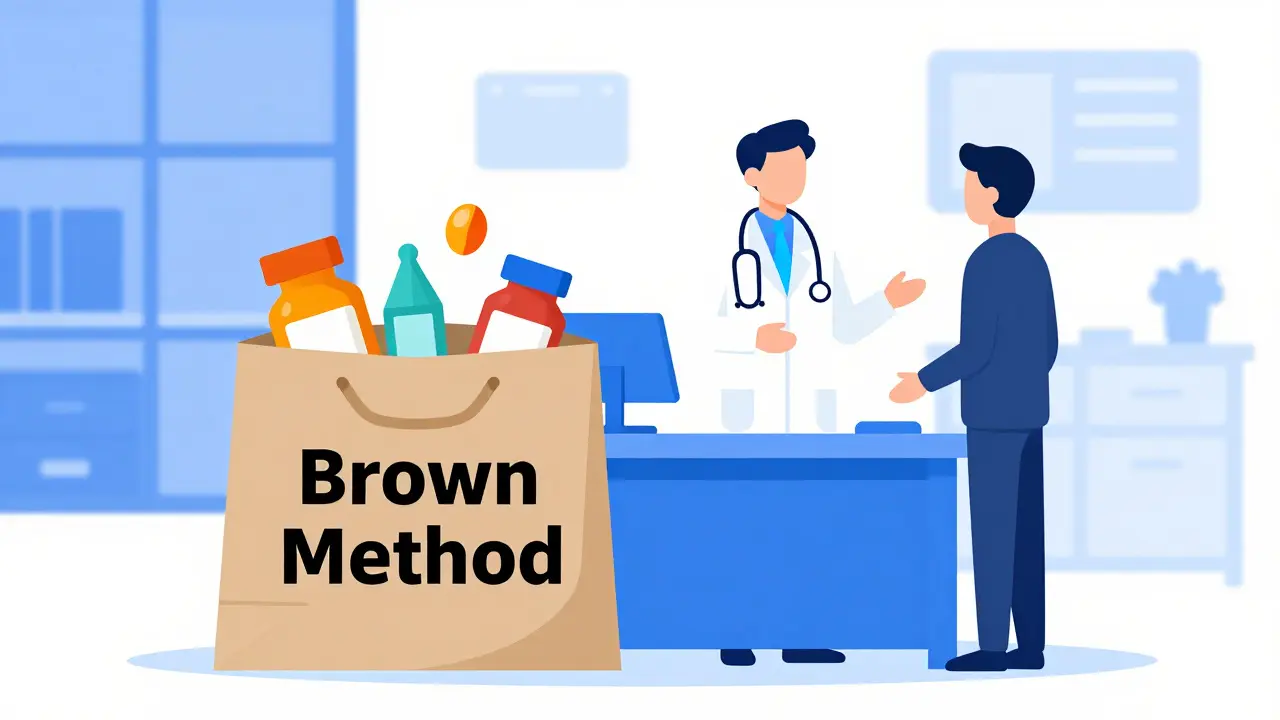
To make this process foolproof, try the "Brown Bag Method." Instead of just bringing a list, put every single bottle-prescription, vitamin, and supplement-into a bag and bring it to your appointment. This allows the pharmacist or doctor to verify the actual label against what you've written down. It removes the guesswork and ensures the dosage on your list matches the dosage in the bottle.
How to Keep Your List Current Without the Stress
The biggest failure in medication management isn't the initial list-it's the update. A study found that 68% of patients fail to update their lists after leaving the hospital. This creates a dangerous "information gap" where a new drug is added, but an old one is never removed, leading to potential toxicity.
Maintaining a list shouldn't feel like a part-time job. Here are some practical ways to keep it fresh:
- The Weekly Ritual: Update your list every Sunday while you're filling your pill organizer. This ties the update to a habit you already have.
- The Photo Hack: If you're in a rush at the pharmacy, take a photo of the new prescription label. You can add it to your formal list when you get home.
- Synchronized Renewals: Ask your doctor about 90-day supplies. The American Medical Association suggests that synchronizing refills for chronic conditions reduces the number of times you have to touch your list and pharmacy portals.
- The "Change Trigger": Make it a rule: the moment a doctor says "stop taking this" or "try this instead," open your list immediately. Do not wait until the end of the day.
Avoiding Common Pitfalls in Medication Tracking
Even the most diligent people make mistakes. One common trap is listing a medication by a name the doctor doesn't recognize. Always include the generic name. For example, if you write "Lipitor," the doctor knows it's Atorvastatin, but having both ensures there's no confusion across different health systems.
Another mistake is ignoring the "route" of administration. Taking a medication orally is very different from using a topical cream or a nasal spray. If you're using a steroid cream for a rash and also taking a steroid pill for inflammation, the cumulative dose can be dangerous. Be specific about where the medicine goes.
Finally, beware of "false confidence." Just because you have a list doesn't mean it's accurate. Periodically review your list with a pharmacist. Pharmacists are specifically trained in drug-drug interactions and can often spot a red flag that a general practitioner might miss in a brief 15-minute appointment.
How often should I review my medication list with a doctor?
You should review your full list at least once a year during a wellness check. However, a review is mandatory any time you are admitted to a hospital, transition to a new care facility, or start a new medication. A quick "brown bag" review with your primary care provider can prevent dangerous interactions.
Should I include vitamins and herbal supplements?
Yes, absolutely. Supplements like St. John's Wort, Ginkgo Biloba, or high-dose Vitamin K can interact with prescription drugs (like blood thinners or antidepressants) and change how they work in your body. Treat these as medicines, not just "supplements."
What is the best app for tracking medications?
While the "best" app depends on your needs, Medisafe is highly rated for its refill reminders and ease of use. MyTherapy is another strong option. However, if you prefer simplicity, the FDA's printable "My Medicines" template is a gold standard for reliability and portability.
What do I do if I have multiple doctors prescribing different meds?
This is where a master medication list is most critical. Ensure every single specialist has a copy of the same list. If possible, use one primary pharmacy for all prescriptions; the pharmacist's software can often flag interactions between drugs prescribed by different doctors.
Why isn't my doctor's electronic record enough?
Electronic Health Records (EHRs) are great, but they are often fragmented. A doctor at one hospital may not have access to the records of a specialist in another network. Your personal list is the only record that follows you everywhere and includes the OTC drugs your doctor doesn't know about.
Next Steps for Better Safety
If you're starting from scratch, don't try to do everything in one minute. Set aside 30 to 60 minutes this weekend. Gather every bottle from your bathroom cabinet and nightstand. Use a template or a dedicated notebook to write everything down using the detailed elements mentioned above.
If you are managing care for a senior, consider the "photo storage" method. Take a clear picture of every medication bottle and keep them in a dedicated album on your phone called "Meds." If you're ever in a rush or the patient can't communicate, you can simply show the photos to the medical team. This provides an immediate, visual, and accurate record that eliminates the risk of misreading a handwritten list.